
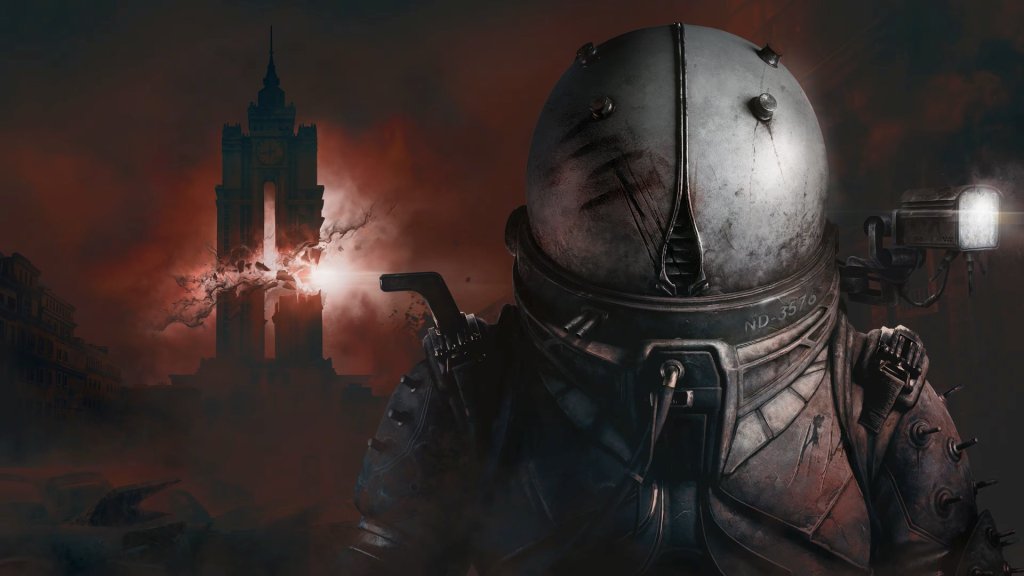
There is a moment in 2025’s Cronos: The New Dawn where a character laments how valuable time is to humans when it is both linear and finite. Bloober Team should have taken note as, much like their 2024 remake of Silent Hill 2, Cronos: The New Dawn’s length is the singular flaw in an otherwise excellent game; consuming your valuable time while detracting from the experience rather than adding to it. The sci-fi premise, central mystery, compelling cast, challenging combat, and novel post-apocalyptic Polish setting are all highlights, but a bloated 20-hour casual playthrough only serves to drag down the narrative pacing and highlight rote gameplay sequences.
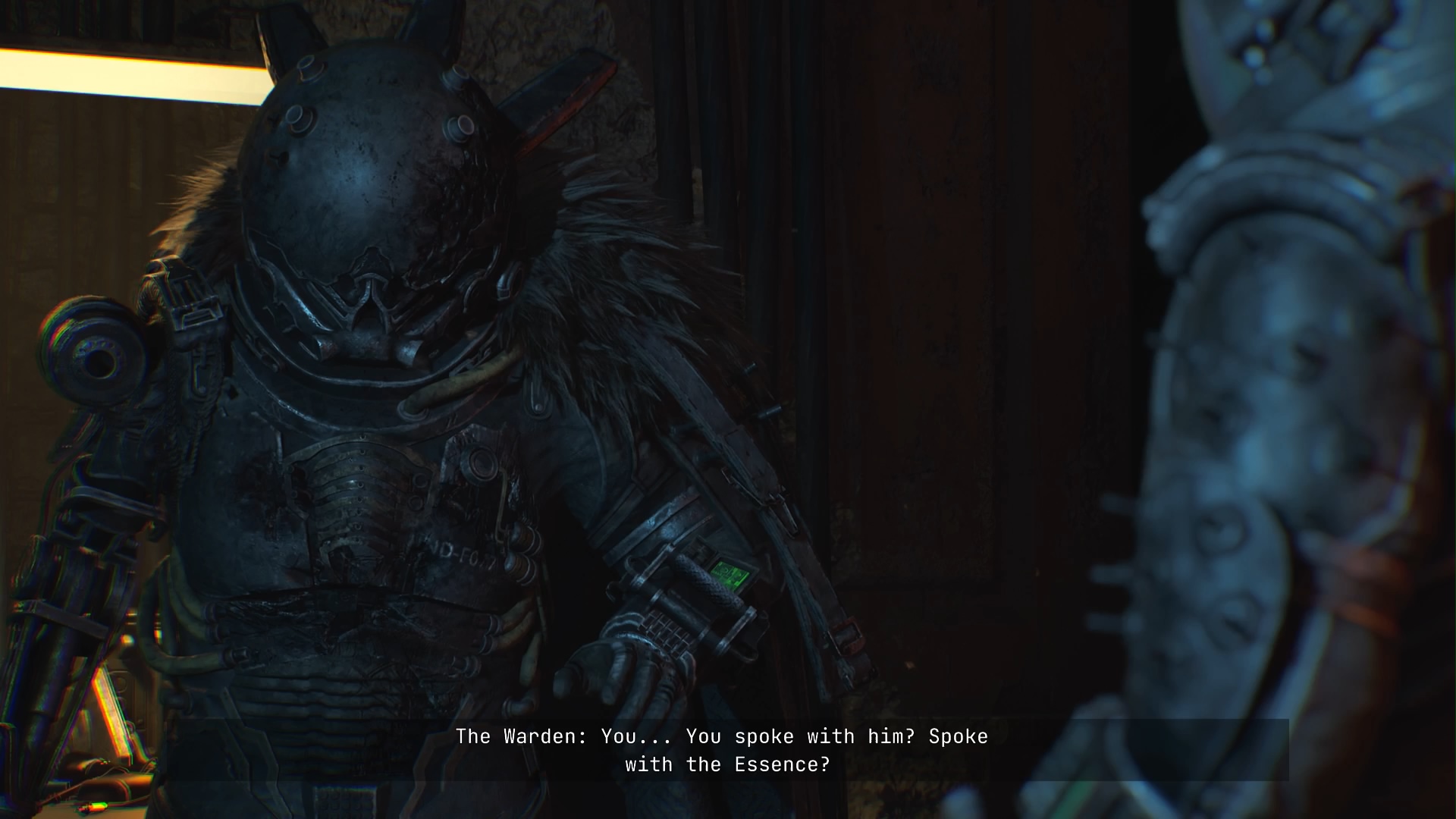
Cronos: The New Dawn feels like a glacially paced and linear Dead Space with an oppressive Silent Hill-inspired atmosphere and a time-travelling plot that poses the classic paradox: is going into the past to save the future even possible if your actions might be the trigger for the future catastrophe? To its credit, significant narrative beats are spread evenly across the journey, be that through weirdly stilted dialogue with the mysterious Warden or human survivors, The Traveller’s evolving monologues and commentary, and scattered notes. Even when gameplay sequences were retreading familiar ideas and growing stale, the prospect of another plot reveal kept me going.
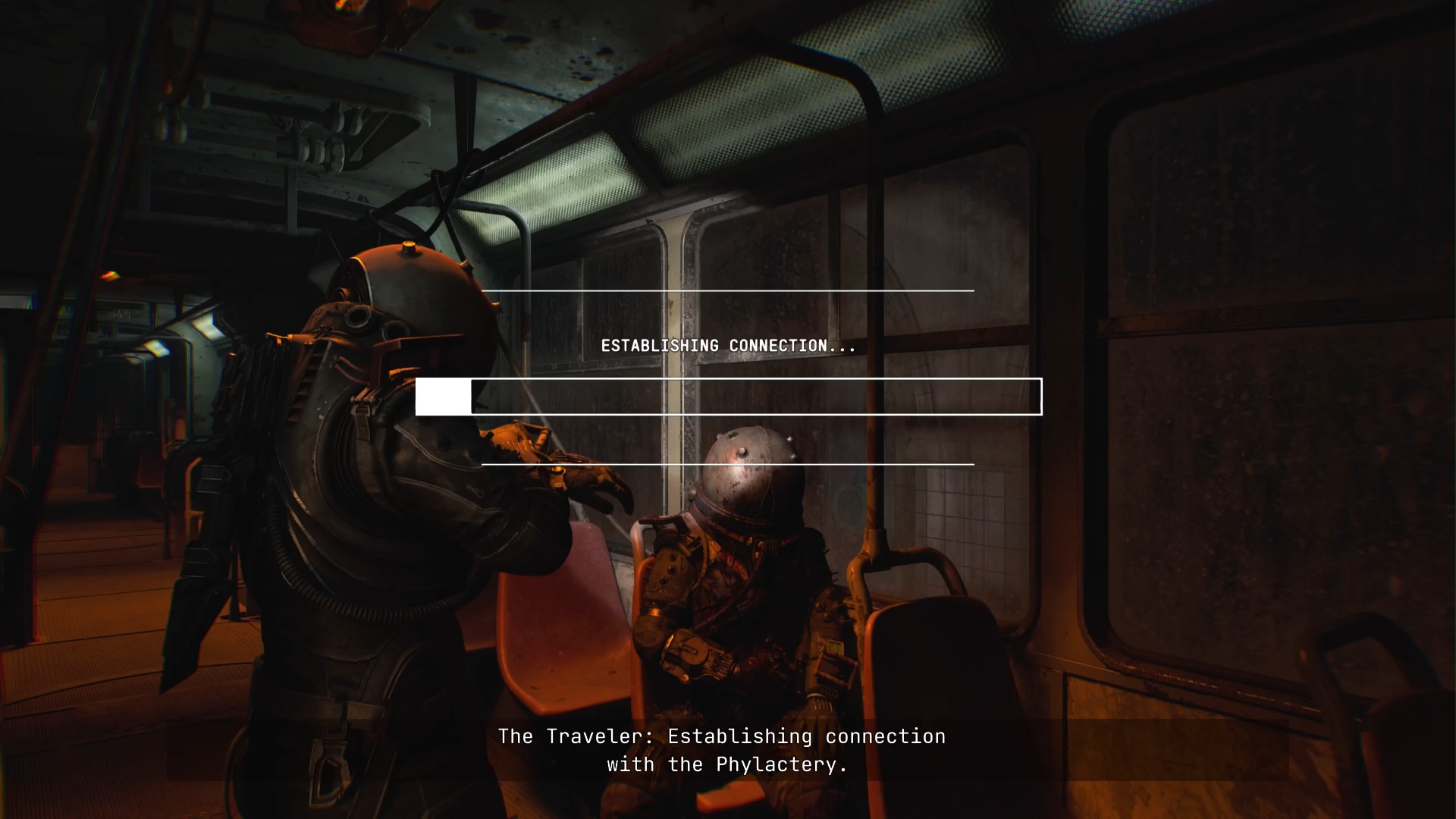
The relentless sense of mystery that pervades Cronos: The New Dawn is effective as it is both a new IP with no established lore and it leaves many questions unanswered – even as the personality of The Traveller evolves from cold, composed, and detached to more independent, anxious, and recognisably human. Who or what is the “Collective” she serves? What is the true purpose of her “Vocation” – extracting the mental “essence” from select humans before “The Change”, a grotesque, mutating, biomass-forming infection, consumed the world? How many Travellers awakened before ND-3576? Can the Warden be trusted? How are cats surviving in the post-apocalypse?
Survival- and psychological-horror games often rely on a narrative framework that is terrifying, otherworldly, weird, or campy (sometime deliberate, often inadvertent). Cronos: The New Dawn is more reliant on its narrative than its peers when the gameplay pacing plummets and obstacles to progress feel blatantly contrived to pad out the runtime. Silent Hill 2 (2024) had the same problem, but you could argue the gruelling ordeal, bizarre puzzle-locks, and thick symbolism were all an essential part of James’ purgatory. The Traveller also goes through a journey of self-discovery, but the hard sci-fi setting does not offer the same excuses for tedious design choices.
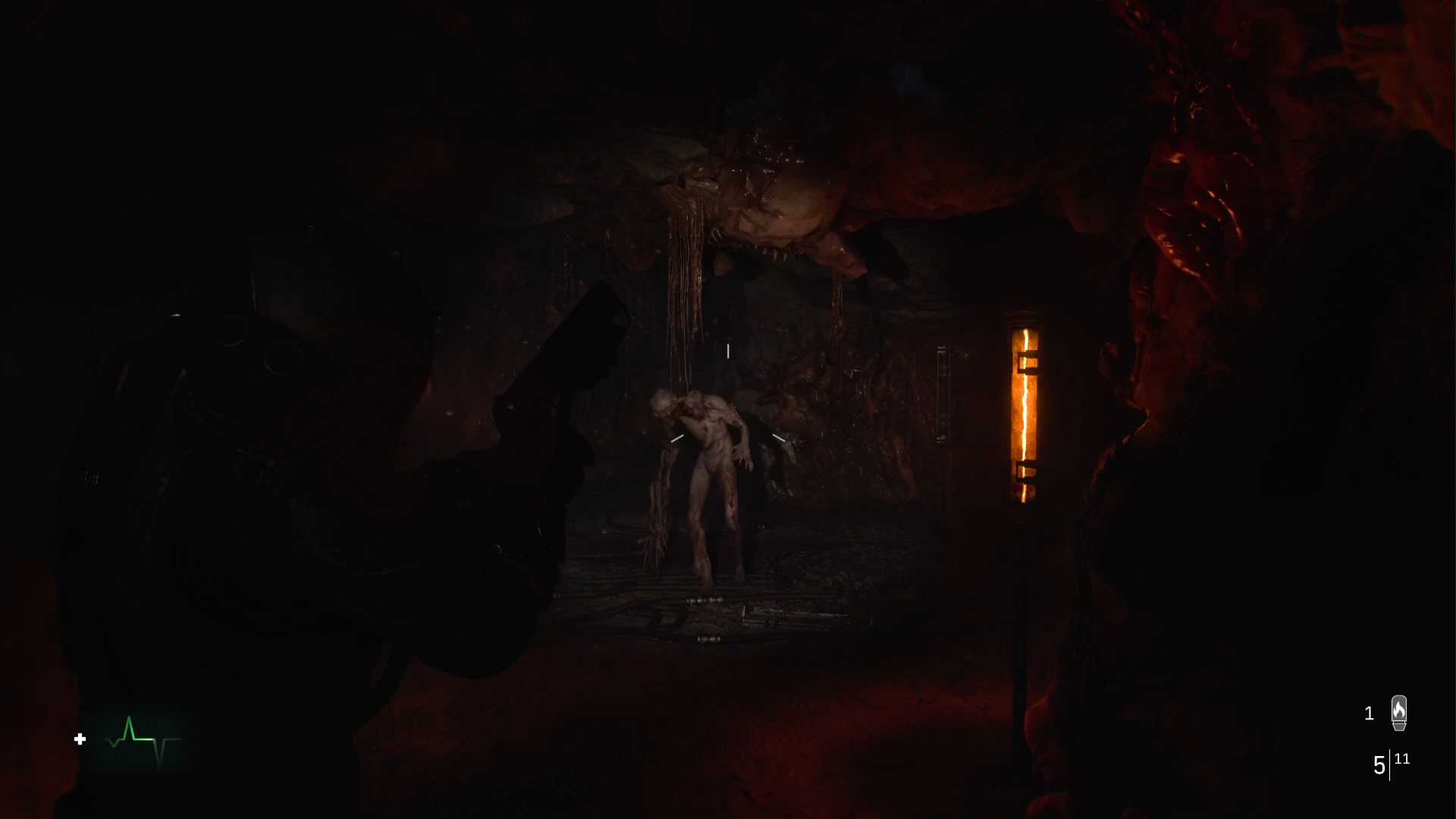
That said, Cronos: The New Dawn starts strong, with methodical gunplay that left me yearning for classic survival-horror experiences akin to the original Resident Evil 4 (2004) and Dead Space (2008); a time before the action-horror template became standard. Larger hordes and boss fights encourage you to stay mobile and make use of environmental hazards, but most encounters rely on the classic stand-and-deliver approach with little tolerance for wasteful behaviour. You need to kite and cluster enemies; use flame weapons to stun larger creatures; make space to charge shots for maximum damage; and it is entirely possible to run out of ammunition and be left with an ineffectual melee swipe.
I can see how the unforgiving combat might have turned off players coming from Silent Hill 2 (2008) or the recent action-oriented Resident Evil games, but Cronos: The New Dawn is well balanced if you play by its rules: be cautious and be conservative. Examples include the ability to backtrack safely through cleared areas to claim supplies you had no inventory space for; exploiting saferoom fuel dispensers to systematically torch nearby corpses and prevent creatures from “merging” into tougher variants when you’re inevitably ambushed; and you can horde powerful ammunition to simplify boss fights (though most also have limited resource crates to help you out).
In Cronos: The New Dawn, you typically enter an area unprepared and die scrambling about, or you go in prepared and defeat creatures quickly and efficiently. At its best, I was reminded of the Dead Space games on higher difficulties. The problem? Cronos: The New Dawn is easily twice the length of Dead Space (both the 2008 original and the slightly expanded remake) yet offers half the weapon and upgrade options, and maybe a quarter of the enemy variety and encounter diversity. By the midpoint – the end of the Steelworks chapter – it becomes increasingly obvious when you’re retreading encounters designs and facing off against the same enemy variants.
When the bulk of the opening chapter involves traversing ruined apartment buildings, why send the player through more apartments in the third, fourth, and final chapters. Why make the player power up tram lines twice when they depart from the same terminal? Why use three visually and mechanically identical boss encounters back-to-back during the middle chapters? Why introduce cool gear like the Oddity Emitter and Gravity Boots then use them almost exclusively for rote on-the-rails traversal sections and respawning the odd explosive barrel? How many times does a player need to slow-walk through an area full of wall-grabbers or exploding acid crawlers?
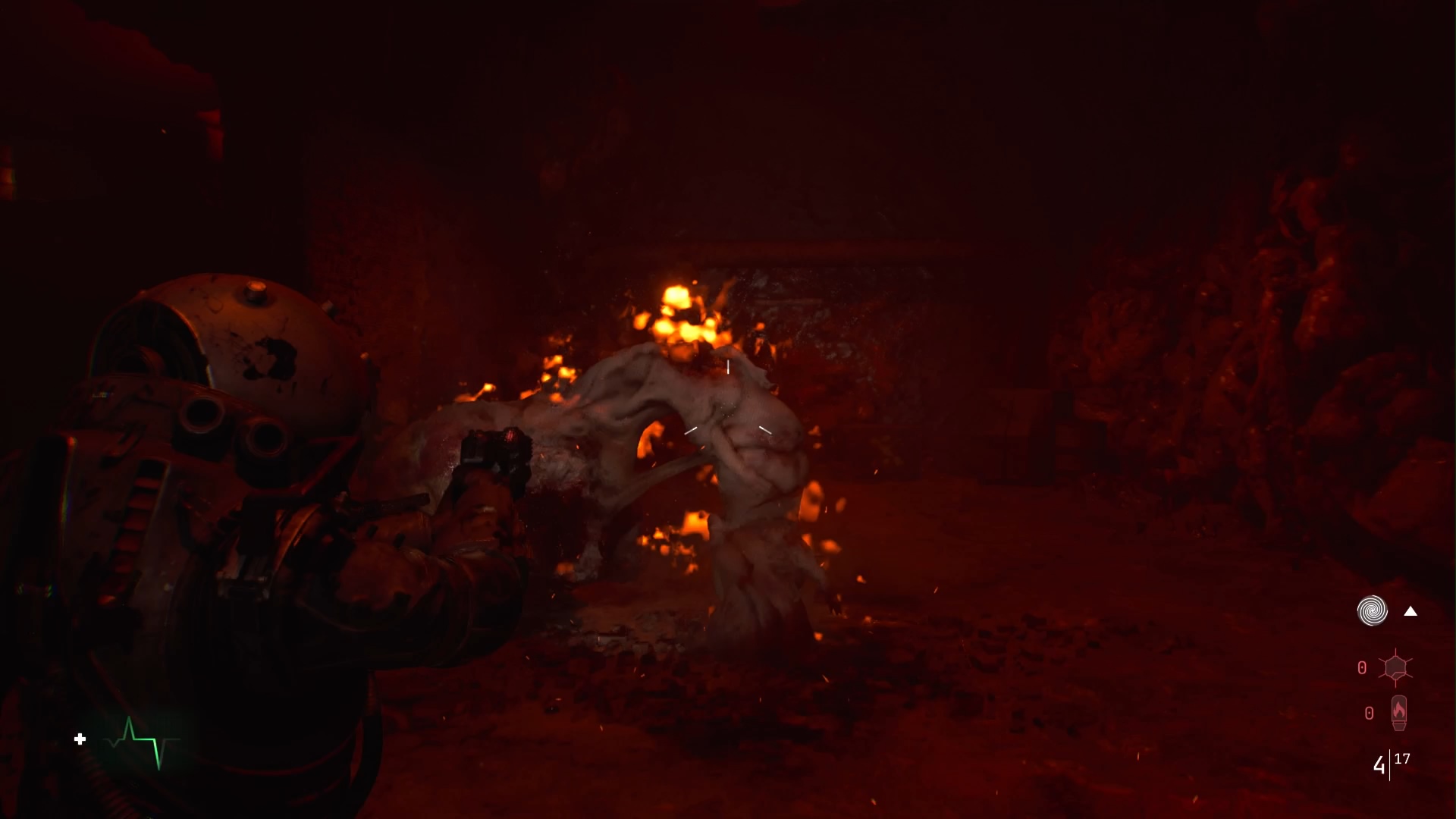
It is infuriating as Cronos: The New Dawn is made up of brilliant individual elements, but they’re strung out too thin. When we’re constantly told developers are battling with the rising costs of creating high-fidelity assets, why needlessly pad out the length of a game? Is simply consuming more of a player’s time adding “value” when it only serves to impact pacing and highlight flaws? On a final note, Cronos: The New Dawn initially offers two suitably grim and thematically appropriate endings that fail to provide satisfying closure given the time invested. If you want the true ending that hints at a way the break the cycle, you need to replay it – a task I would have been far happier to attempt if it were shorter.

