Category: Reviews

  • Review: Realm of Ink (Nintendo Switch)

    Review: Realm of Ink (Nintendo Switch)

    When Realm of Ink first launched on Nintendo Switch, it was in an almost unplayable condition. Not due to bugs though, but rather due to performance and visual issues. Realm of Ink was plagued by an extremely low resolution, artifact-ridden FMV cutscenes and, worst of all, game breaking performance in the form of frame drops, input lag, and slowdown. So much so it made walking in molasses seem fun in comparison. During the early mob fights it wasn’t too terrible, but by the time I reached the first boss, it was an unplayable mess of headache inducing, stuttering frustration.

    The reason I bring it up is because, if you grabbed the game on launch, you probably would have been inclined to shelve it pretty quickly – perhaps not even intending to return. But since then, developer Leap Studio has really brought the game up to scratch with a bevy of bug fixes and optimisation patches that have resolved the bulk of the issues. While it’s not 100% perfect – and I’m not sure it ever will be on Switch 1 – Realm of Ink is now in more than just a playable state. It’s also a lot of fun.

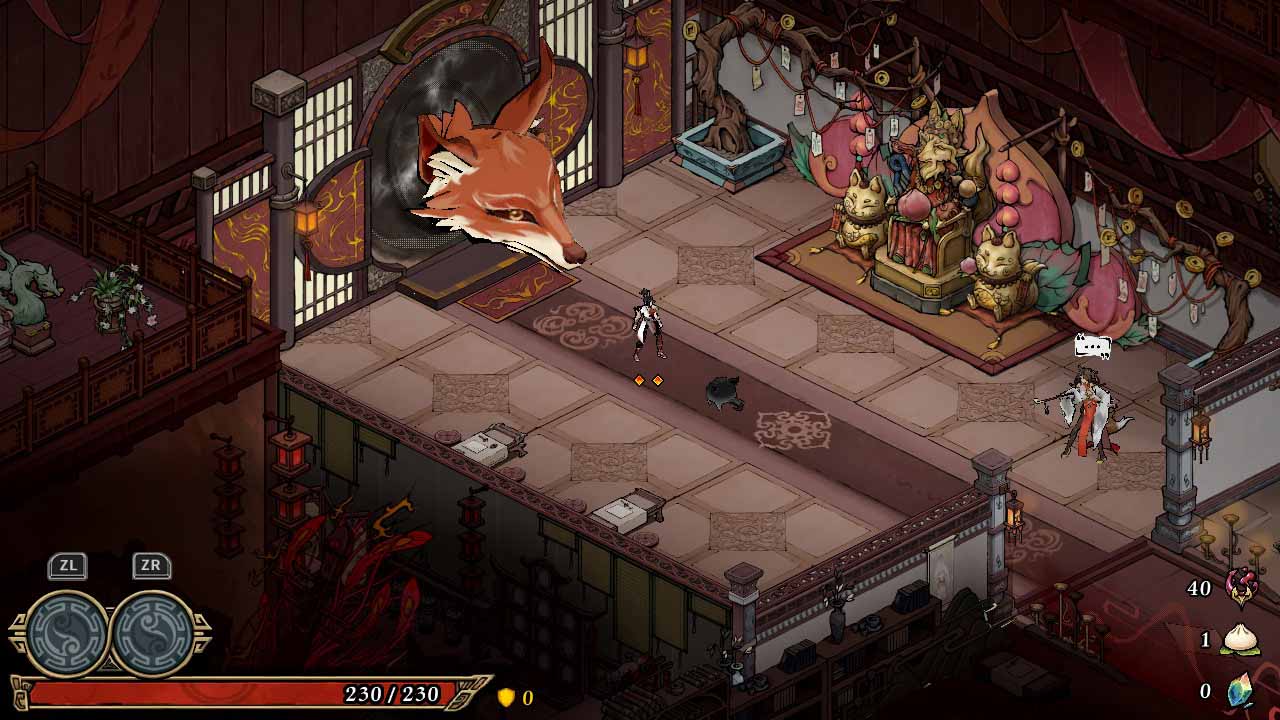
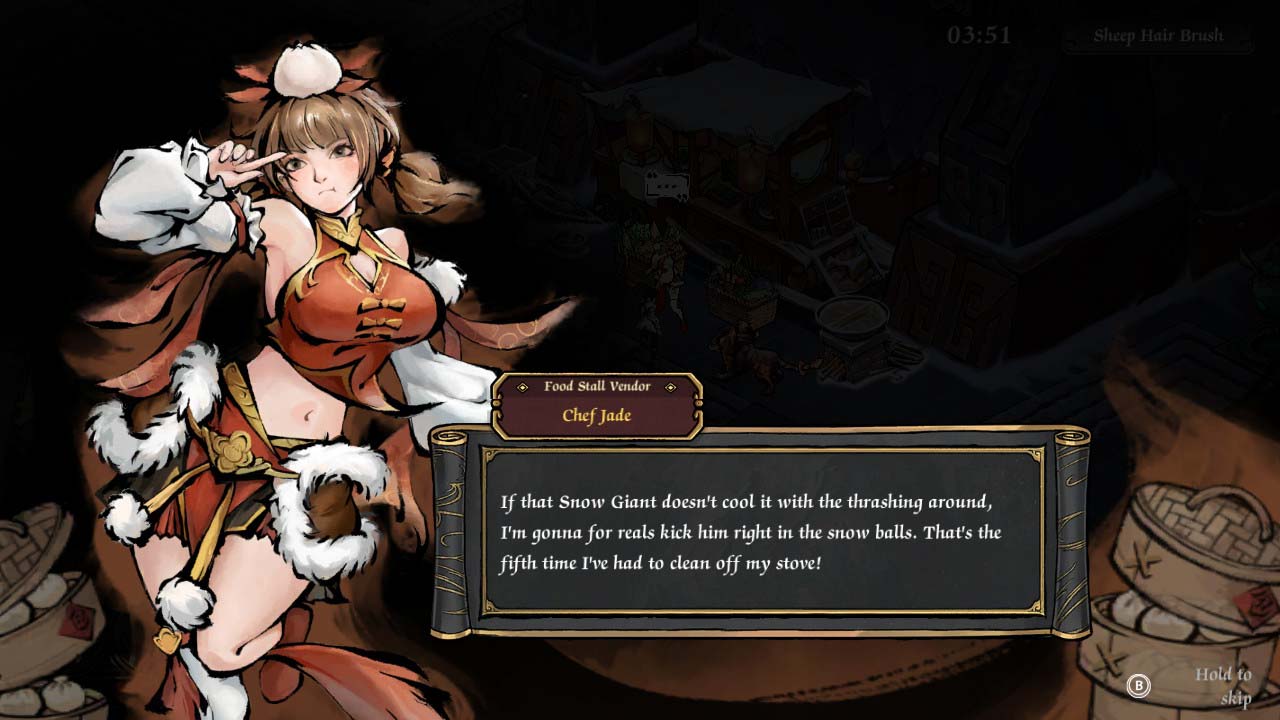
    You take on the role of Red, a warrior literally trapped in a “Realm of Ink” as a character in a story whose actions and paths have been dictated by “The Narrator”. But after dying during a scene and reawakening at the Fox Inn, imbued with Fox blood and free of The Narrators control, you make it your mission to escape the story you’re trapped in by any means necessary.

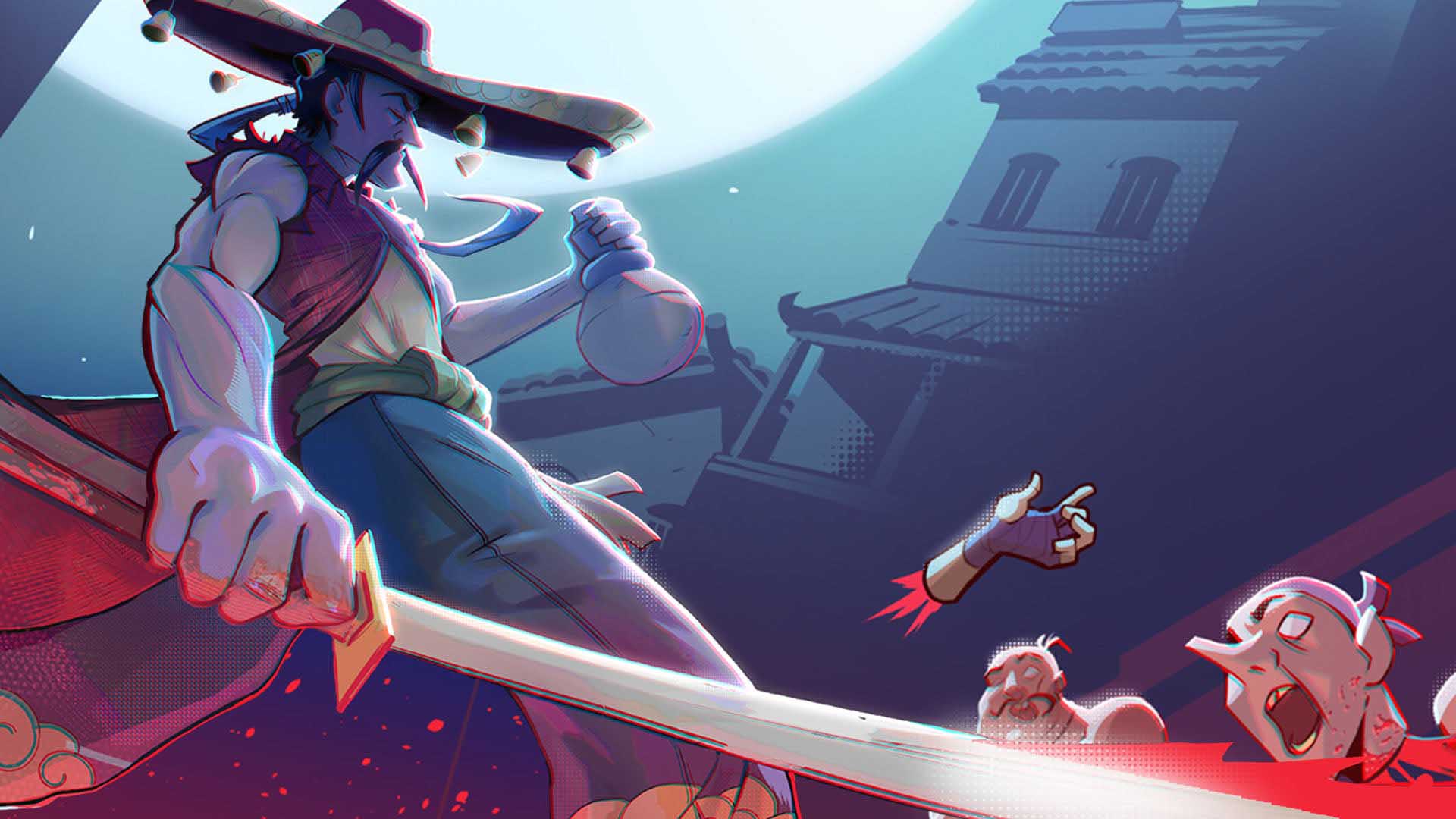
    Realm of Ink is the latest Rogue-like to be inspired by Hades. Played from an isometric perspective, the similarities are undeniable, but Realm of Ink does enough on its own to have a novel identity, not least of all through the games stunning art direction.

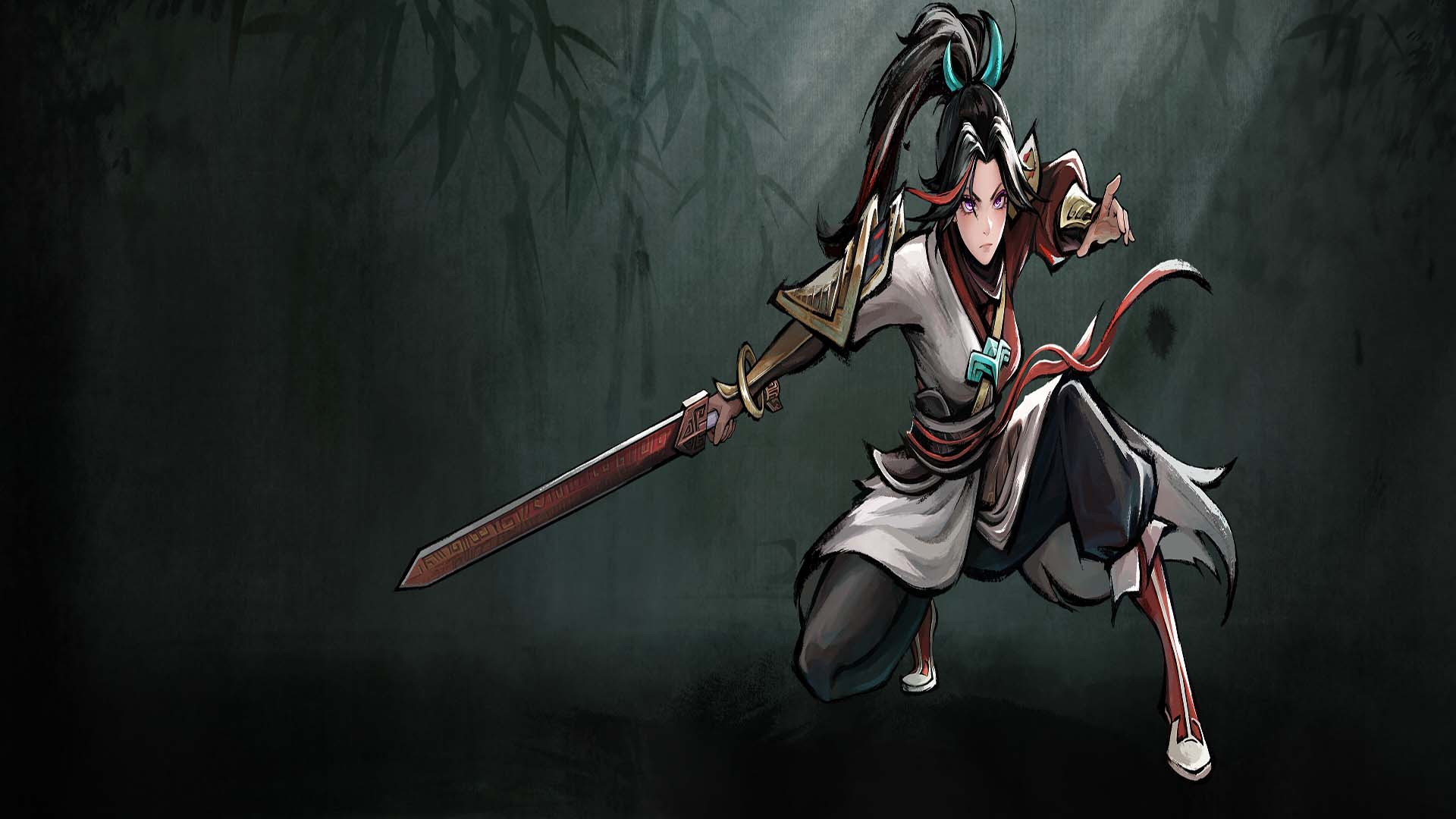
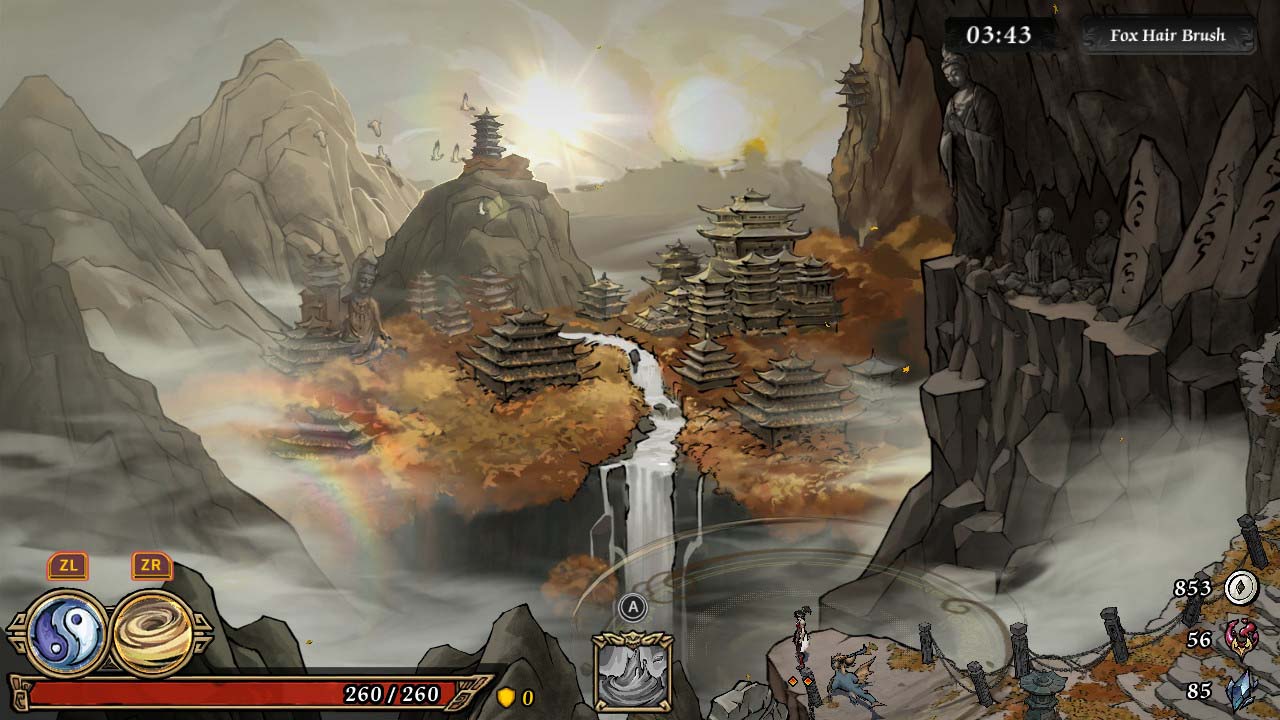
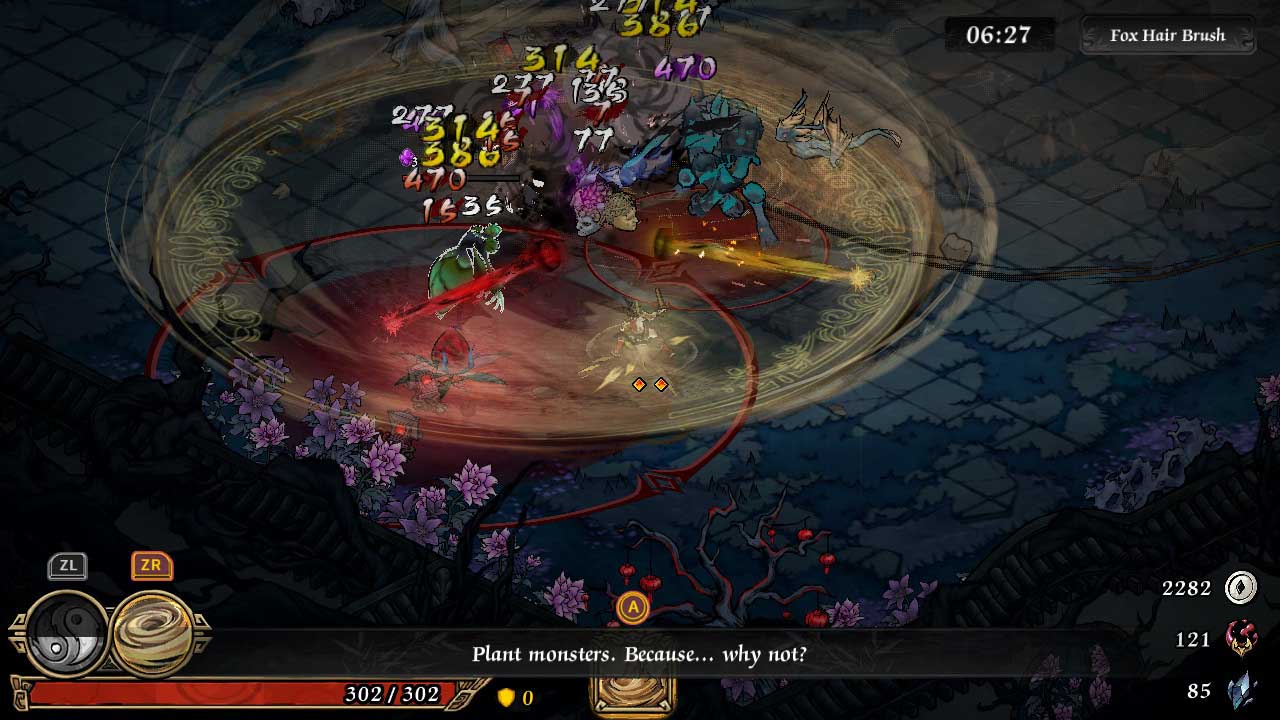
    Utilising an ink outlined, water-style painting aesthetic, Realm of Ink has some stunning character, art and location designs. It often looks like a painting in motion with vast swatches of colourful attacks and explosions going on around you. It’s complimented by some good sound design, but the art is, by far, the star of the show.

    The games story, while fun, can’t hold a candle to either the visuals or the combat. As with most Roguelikes, story progression is tied to your progress, or lack thereof. Each death unlocks more of the story, giving agency to your quest while also giving you more insight to the events you’re living and dying through. The various characters you meet will also have their back stories and personalities unlocked the further you progress.

    Repeated deaths are worth more than just new story content or a chance to prepare before taking on the last boss that ganked you; it also opens up more of the Fox Inn for you to explore. Initially you only have access to a few rooms and services, which include changing character skins and setting the difficulty of your next run, but each death reveals more services. This makes it worth your while to live, die, and repeat things a few times even if you can make it through chapters in one run.

    Naturally, combat is Realm of Ink’s meat and gravy. The core combat is simple enough: you have light and heavy attacks and can dash to avoid attacks. Attacks can be powered up by holding down the attack button before unleashing it. At its core, it’s a simple hack-and-slash system, but where Realm of Ink really stands out is in its pet/companion and Ink Relic systems.

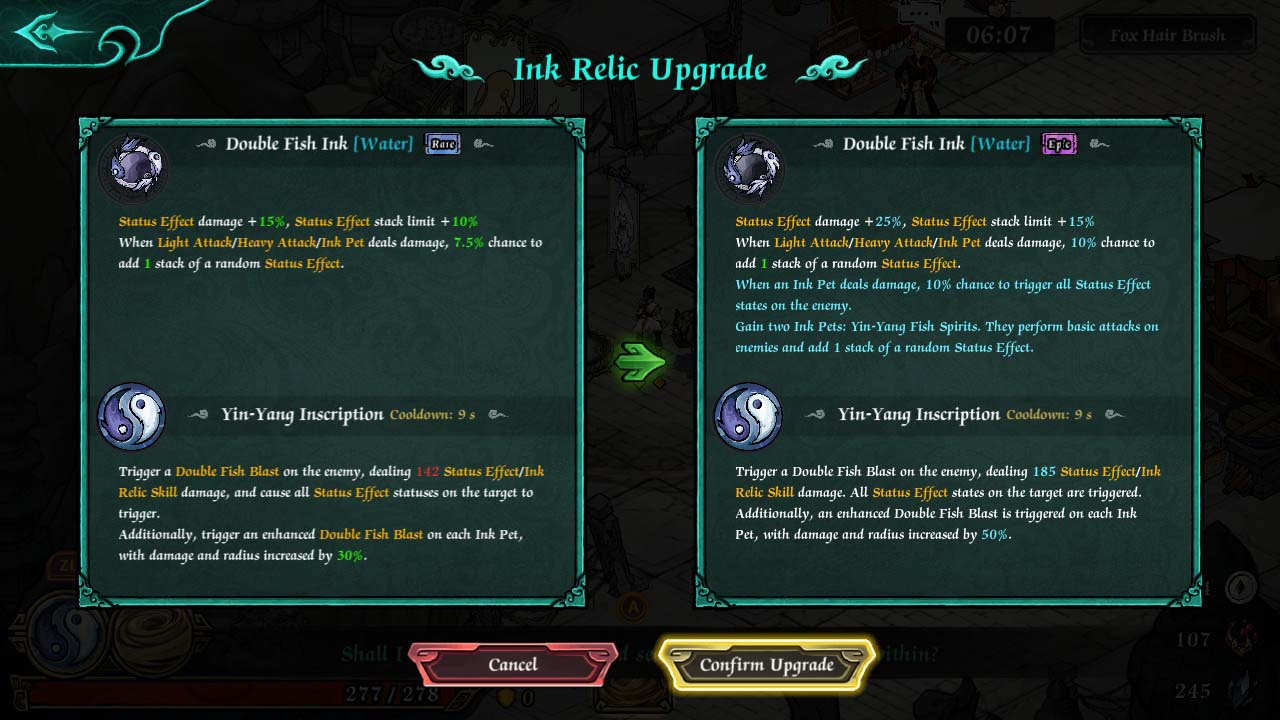
    Across the game you’ll come across various Ink Relics which are themed around the Five Elements in Chinese Mythology, namely Water, Earth, Fire, Wood and Metal, and the special Momo Inks for your pet, which also consist of the five elements.

    Inks are the lifeblood of the combat system as they possess multiple functions and stats. They can enhance your attacks, give you special abilities, and power up your pet. You can hold two inks at a time, making for a variety of attack combinations between standard and special attacks. What inks you hold also determines into what form your pet morphs and which attacks are available to them. Finding ink combinations that possess good synergy is part of the games appeal as it lets you play around with different combinations.

    There’s a lot to take in behind the scenes of the combat system, specifically in all the special abilities and buffs that each Ink provides and how it combines with your base stats or that of your pet. Inks you don’t use can be broken down into shards which you can then use to upgrade the other Ink Relics you have equipped into more powerful, rarer forms.

    Adding onto the combat complexity are perks and talents, some equippable through trinkets that provide you with stat boosts or even new attacks. It also wouldn’t be much fun if there weren’t permanent upgrades for you to strengthen your build with. In fact, it would probably be mind-numbingly frustrating if you couldn’t. That’s where Elixirs come in. These provide permanent stat boosts to everything from HP to critical hits and, next to a good Ink combo, are the most sought-after item in the game. For me at least.

    Realm of Ink doesn’t delve into randomised levels, so your path through the game regardless of how much you die is the same. However, when you’re moving between areas, you’ll get to choose which reward the next room will provide for completing it. There’s everything from gold to stronger enemy encounters but choosing to fight for Elixirs is probably the best way to go at first.

    One thing I do appreciate is that at certain points in a chapter, usually before a boss, you’ll come to an encampment with your allies from the Fox Inn hanging around. Here you can power up your Inks, heal yourself with food that also gives you stat buffs, and buy more trinkets to stack onto your build – f you have enough gold that is. The nice thing about these rooms, apart from telegraphing a tough section to come, is that if you need to take a break, you can quit the game and resume from here when you come back.

    Overall, the combat is incredibly fun and can get seriously hectic with the number of enemies and effects being thrown around onscreen.

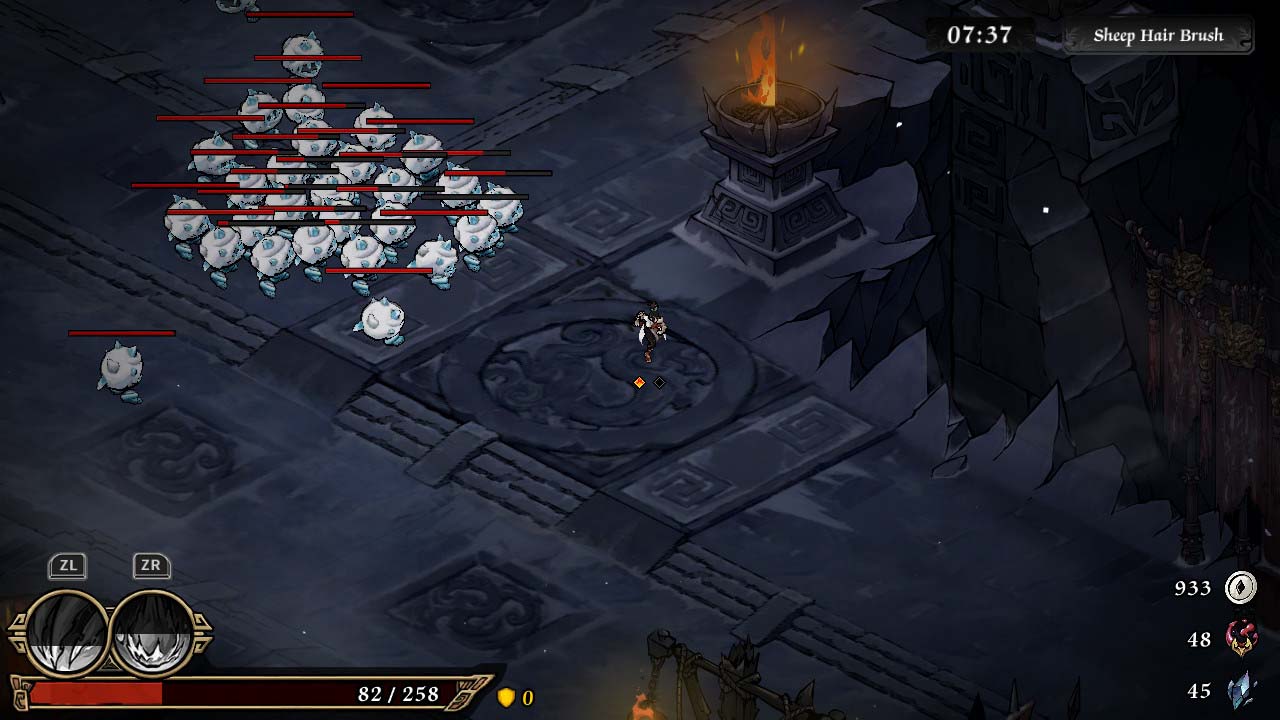
    All of which brings us to the one flaw that Realm of Ink still has: performance. While all the video files have been patched up with non-artifact laced versions, slowdown still plagues the games most hectic fights, specifically in later chapters and some boss fights (which are usually full of summoned ads).

    Unlike the vanilla state which was, for me, unplayable with slowdown, frame drops and serious input lag, the slowdown is more navigable and playable now. There are some visual effects that you can switch off in the graphics menu to reduce system load, but it’s impossible to remove them all on original Switch 1 hardware. Far less severe for sure, but still a sore spot on an otherwise beautiful and fun game.

    Realm of Ink’s story may not induce highs as high as its combat, but it’s a fun tale in a really fun, action orientated rogue-like form that is capped off with lovely visuals and a rewarding, complex build system.

    Pros

    • Great, complex build sysxpected depth
    • Excellent, hectic combat against hordes of enemies
    • Gorgeous, watercolour inspired visuals
    • Fun enough story

    Cons:

    • Slowdown in the more hectic fights and boss fights on a Switch 1

    Score: 7/10

    Realm of Ink was reviewed on Nintendo Switch 1 using a code provided by the publisher. It is also available on Nintendo Switch 2, Xbox Series S/X, PS5, and PC.
  • Review: R-Type Dimensions III (Nintendo Switch)

    Review: R-Type Dimensions III (Nintendo Switch)

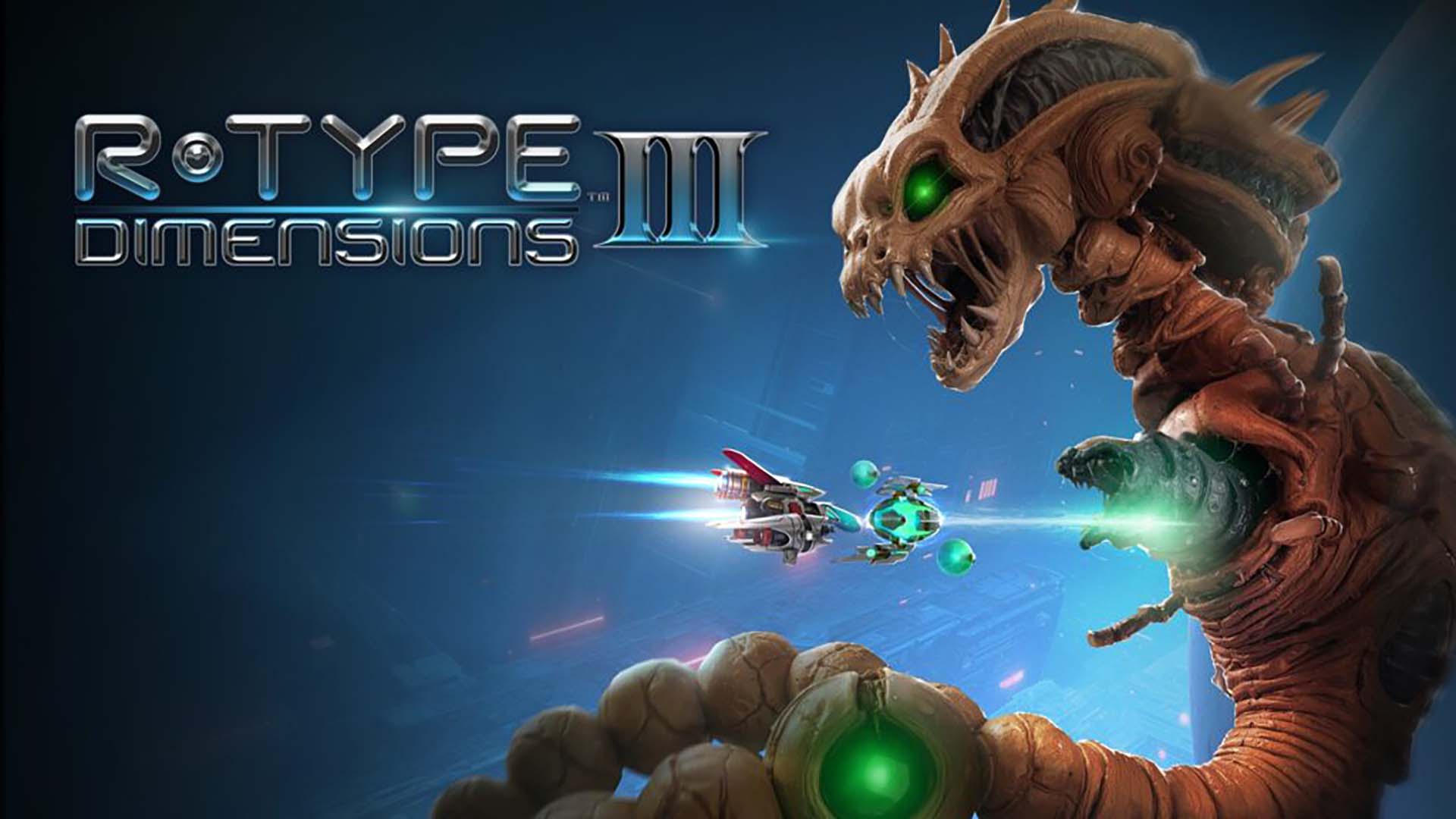
    It’s time to grab your flight suite and strap in because the evil Bydo Empire is back again! That’s right boys and girls, it’s R-Type time!

    As a lone, hotshot pilot, it’s your job to stop the bio-mechanical horrors of the Bydo Empire across a variety of mechanised and goopily organic stages full of monstrous creations trying to kill you. And, in classic R-Type fashion, the stages themselves don’t seem to want you around either! Which of course means, for fans, that this is traditional R-Type through and through.

    Over the last couple of years, we’ve had multiple R-Type Dimensions games. For those who may not now, these are essentially remakes of the original R-Type games, starting with R-Type Dimensions, R-Type Dimensions EX, and now R-Type Dimensions III that, unsurprisingly, is a remake of R-Type III.

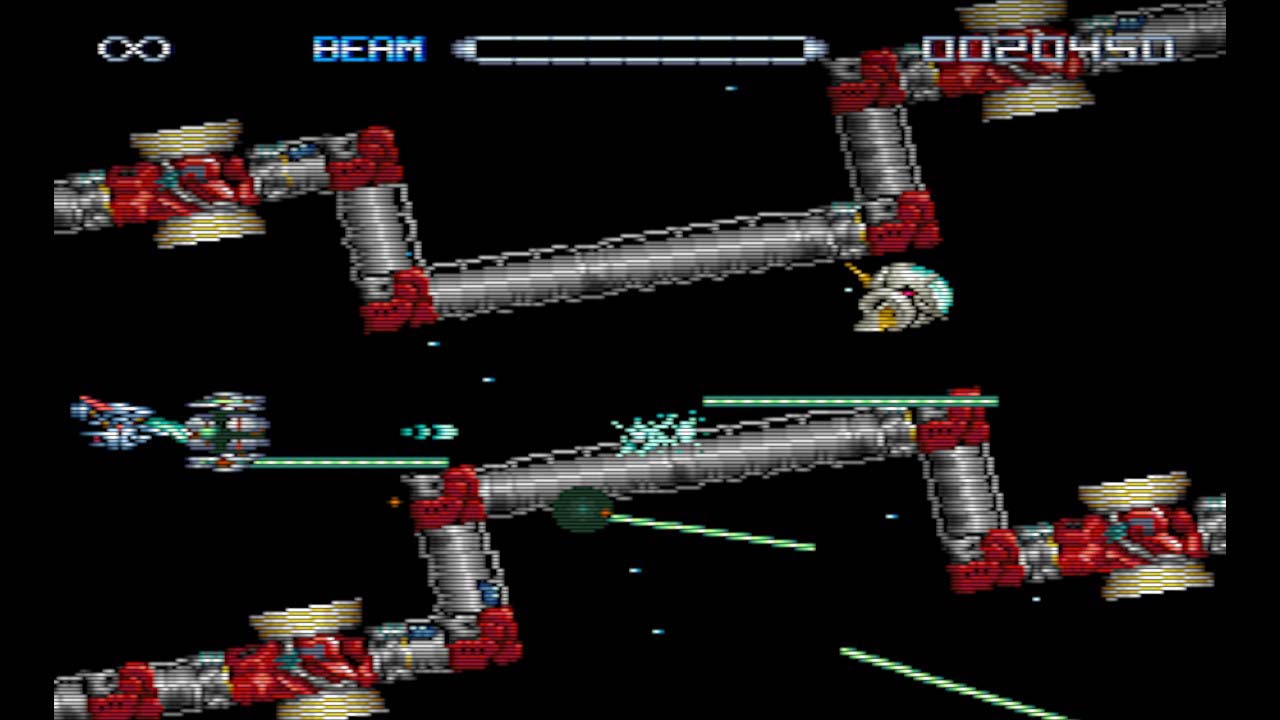
    To be fair, the Dimensions series is also as much a remaster of these classic shooters as they are remakes as the original 2D versions of the games have been included with them. And, as with so many recent remasters/remakes that know what they’re doing, usually let you swap between the old and new versions of the games with the press of a button or a toggle in the settings menu.

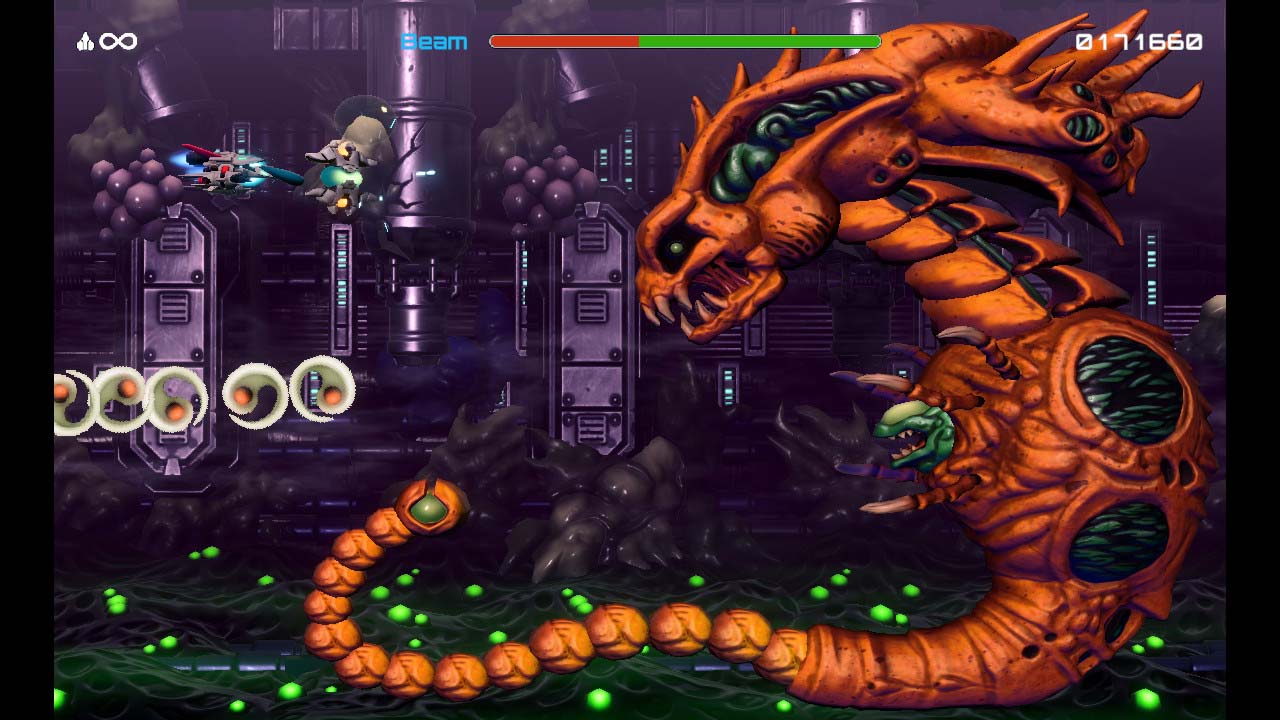
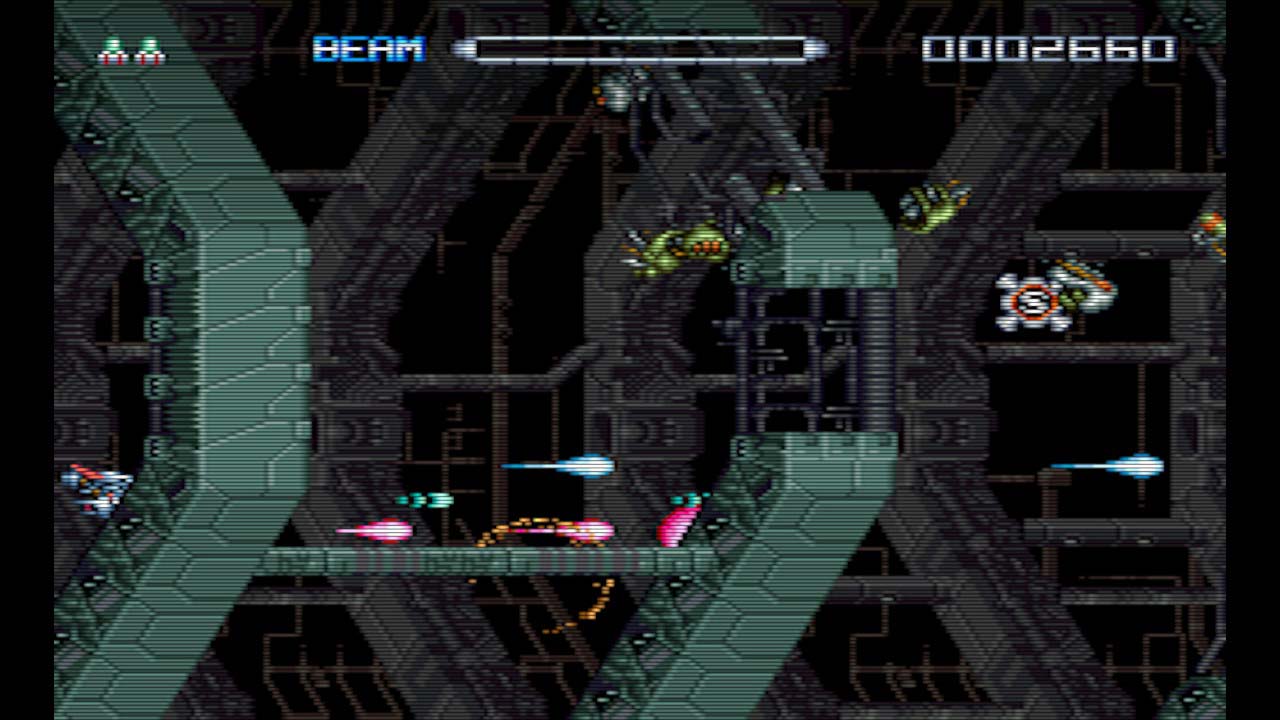
    And that holds true for R-Type Dimensions III as well. Not only does it let you play the original game as it was, it also lets you see the stellar work that developers KRITZELKRATZ 3000 has done on rebuilding the game in 3D. And believe me, it really is of the above and beyond variety where the new 3D take on the games 2D visuals are concerned.

    Now, as much as I love pixel art and the R-Type games original 2D visuals, this is probably the first time where I preferred to play the game in it’s brand-spanking new 3D incarnation over the original visuals. That’s not to say that the 2D visuals have aged poorly, far from it, but the level of work that’s been put into the 3D designs is just stunning.

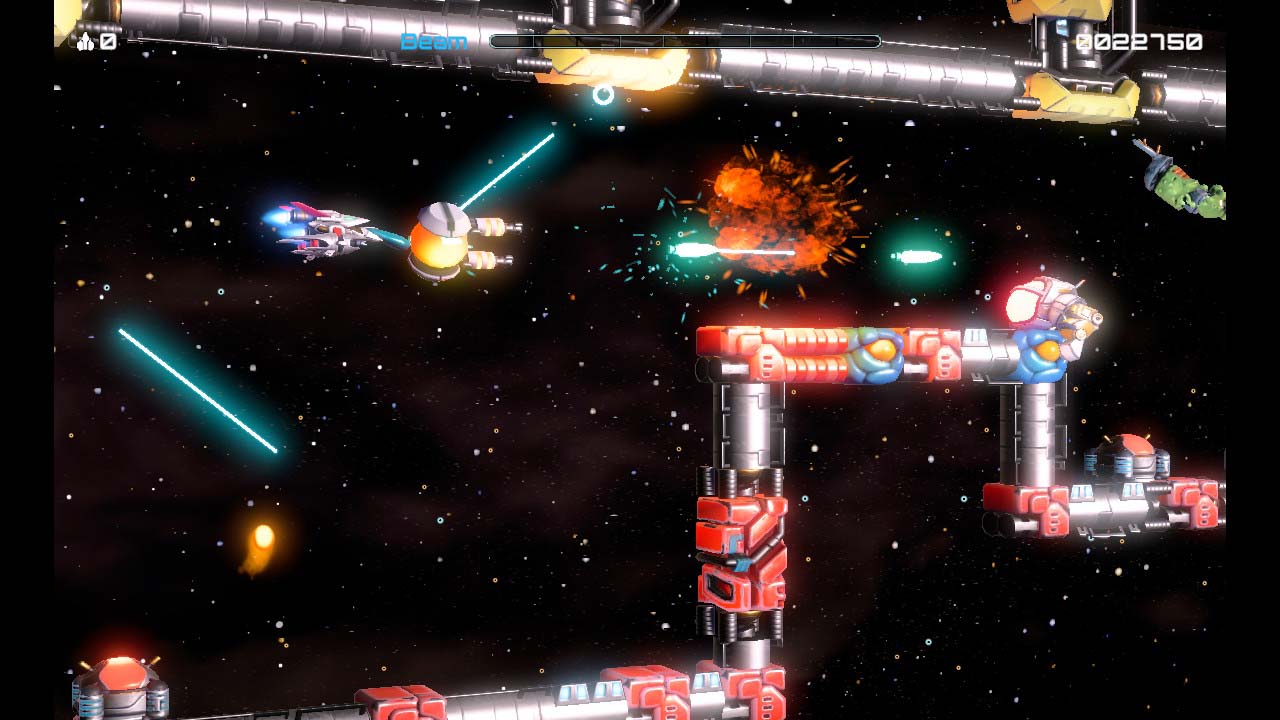
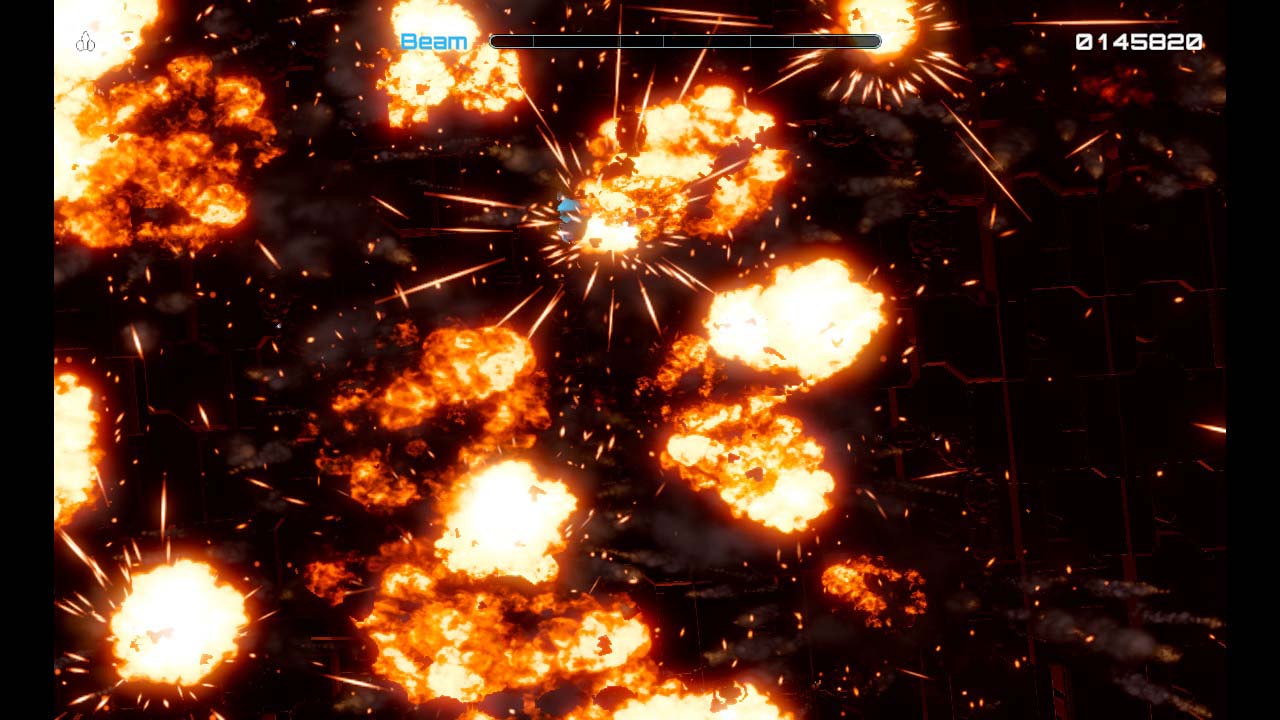
    Every enemy, attack, and stage design has received significant makeovers with tons of new details added onto the ships and environments that just makes everything pop. Make no mistake, R-Type Dimensions III’s 3D visuals are stunningly colourful, especially when everything and the kitchen sink is blowing up around you!

    Included with the 3D version is a new camera angle as well. This just tilts the angle ever so slightly so that the rear of the screen seems to slide out further while the front shrinks in a bit. It’s a slight perspective shift to keep your attention focused on the front of the screen where everything is coming at you from. Now while I appreciate the attempt at trying something visually new in a time-honoured genre, it does break the illusion that you’re flying forward. Instead, it makes the enemies and the environment seem like they’re popping into existence just at the screens black border. It also affects the sense of your spaceships movement, making it feel less like you’re moving as much as the environment is rotating around you. At least that’s how I felt.

    There is one major issue with the relatively instantaneous swapping between 2D and 3D, at least on Nintendo Switch 1 that is. And that issue is that it isn’t a seamless swop between visual styles as we’ve come to see in many remasters. Instead, there’s a significant pause in the action as the game switches between the 2D and 3D engines, and vice versa, followed up by slowdown and stuttering for a couple of seconds as the game hurdles back up to speed. If you’re going to switch visual styles, then it’s best to do it when there’s a quiet moment onscreen.

    The games visual menu lets you swop between the different visual styles as well and houses some other little visual flourishes such as screen filters for both the 2D and 3D visuals and the ability to place the hub on different sides of the screen along with adjusting its transparency.

    Outside of the spanky new 3D visuals, R-Type Dimensions III is a little bit on the bare side where these retro remakes and remasters are concerned. There’s a Jukebox to play the games original and rearranged soundtrack in but, sadly, no production artwork to view. That’s one of my favourite go to spots on remasters and remakes so I was a little bummed that there was nothing of that variety here. Granted, the 3D remake is so stunning that I can’t hold it against the release.

    As for the game itself, there are multiple difficulty settings and the much appreciated, though not for the right reason, Normal and Infinite modes. Normal gives you the original games set number of lives and hopes you can survive the Bydo onslaught while Infinite gives you infinite lives to beat the game with.

    Now anyone whose played any of the R-Types, hell any of the side scrolling shooters from the late 80’s and 90’s eras, knows just how hard these games can be. Many were designed for arcades first and the driving force behind those was getting kids to part with their change. However, that doesn’t mean you couldn’t complete them on one coin, and in some special cases, one life either.

    The R-Type games have always been designed around quick reflexes and stage memorisation and sort of straddled the line between been challenging versus horribly unfair. R-Type Dimensions III follows those rules almost to a tee. However, from about the halfway point of the game it swops from been challenging into cheap as hell. And not the kind of cheap that makes you want to come back and beat it just because. It’s the type of cheap, poor design that makes infinite lives a godsend. I’m the first to admit that my reflexes aren’t what they used to be for twitch gaming, but damn if this didn’t frustrate the hell out of me.

    Even though R-Type Dimensions III has some of the most frustrating level design in its back half, it’s still hard not to enjoy the work KRITZELKRATZ 3000 have put into this title, specifically it’s 3D makeover. I would have liked a more robust package of retro production delights though. That said, this is a game catered towards the hardcore R-Type and 2D side scrolling shooter fans and should make most of them quite happy when added to their collection.

    Pros:

    • Gorgeously detailed 3D visuals
    • Infinite lives is a godsend
    • Can swop between the 3D and original 2D visuals

    Cons:

    • Swopping between visual modes isn’t a seamless experience
    • Cheap as hell level design in the games latter half
    • Considerably bare-bones compared to other retro/remake titles

    Score: 7/10

    R-Type Dimensions III was reviewed on Nintendo Switch using a code provided by the publisher. It is also available on PC, PS5, Xbox Series S/X, and Nintendo Switch 2.

  • Review: Necrophosis: Full Consciousness (XBOX Series)

    Review: Necrophosis: Full Consciousness (XBOX Series)

    Back in 2021, developer Dragonis Games released the first of their deep dives into H. P. Lovecraft’s Cthulhu Mythos with the near photo-realistic first-person adventure game, The Shore. Now, onto their third game, the developers are continuing their exploration and re-imagining of the Cthulhu Mythos with the morbid and eerie Necrophosis: Full Consciousness release for Xbox and PlayStation owners. Originally released on PC last year, the game is making its jump to console in a complete edition that includes its Subconsciousness DLC, continuing its strange story at the end of the universe.

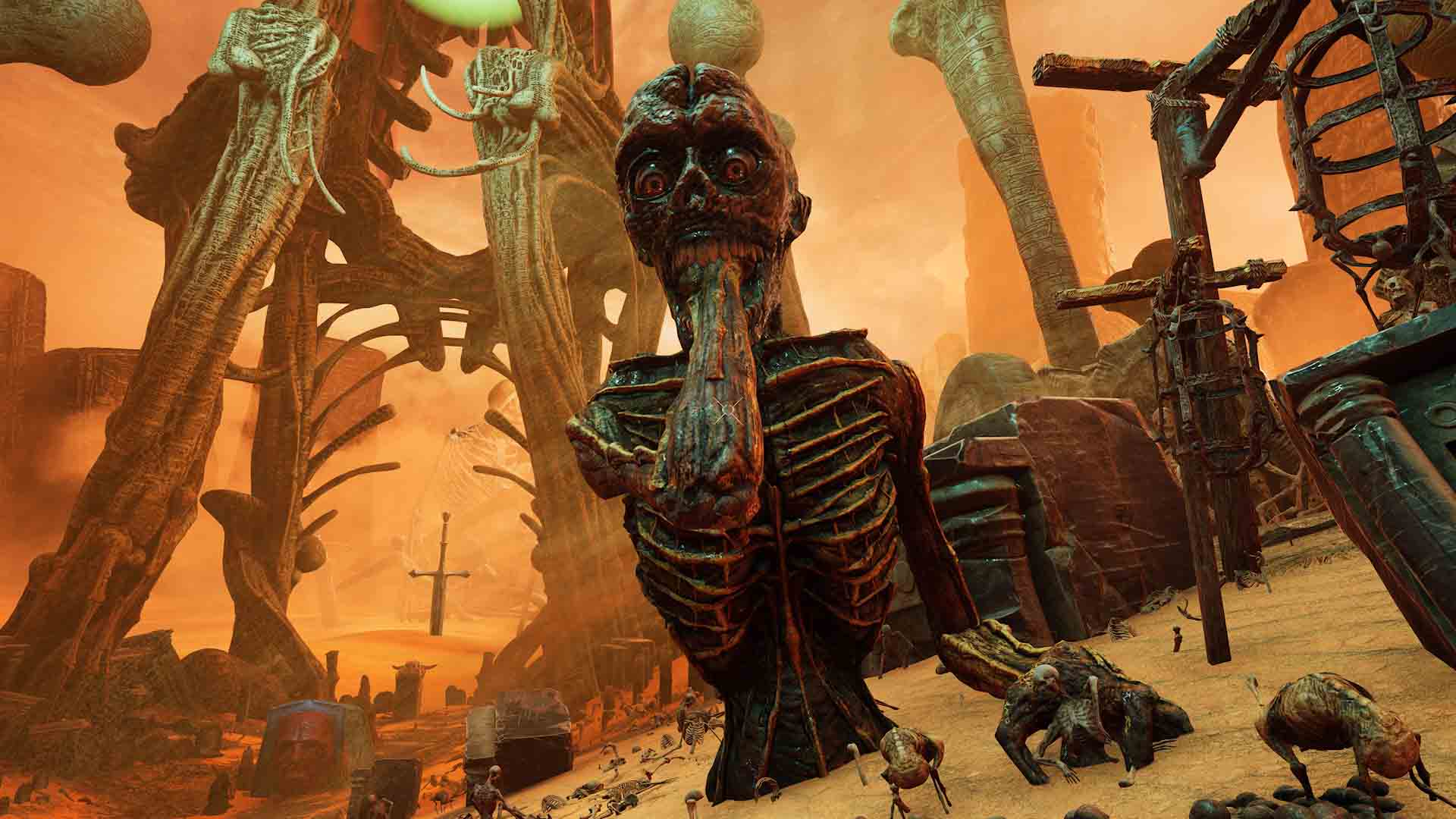
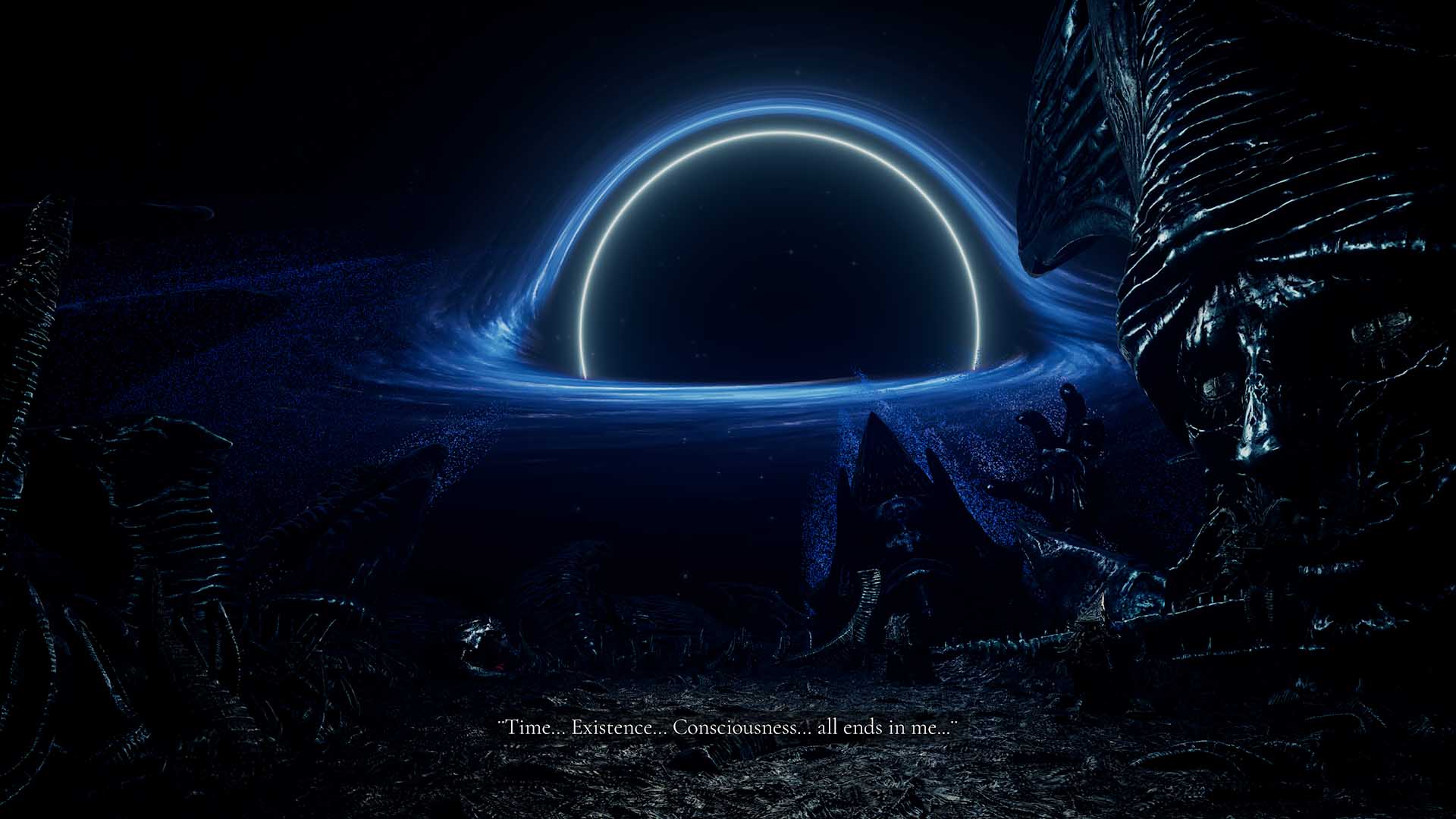
    Set in an alternate timeline, billions of years after the demise of the universe, you take on the role of Consciousness itself. Now awoken well past the end of all things, you have to navigate a nightmarish landscape of broken beings in a bid to find your purpose in all of this madness.

    Played from a first-person perspective, Necrophosis falls into the affectionately dubbed “walking simulator” category. It’s a game that’s less concerned with traditional gameplay than it is with mood, atmosphere, and narrative. As such, actual playability takes a bit of a step back in favour of creating an interactive painting of macabre visuals for you to explore.

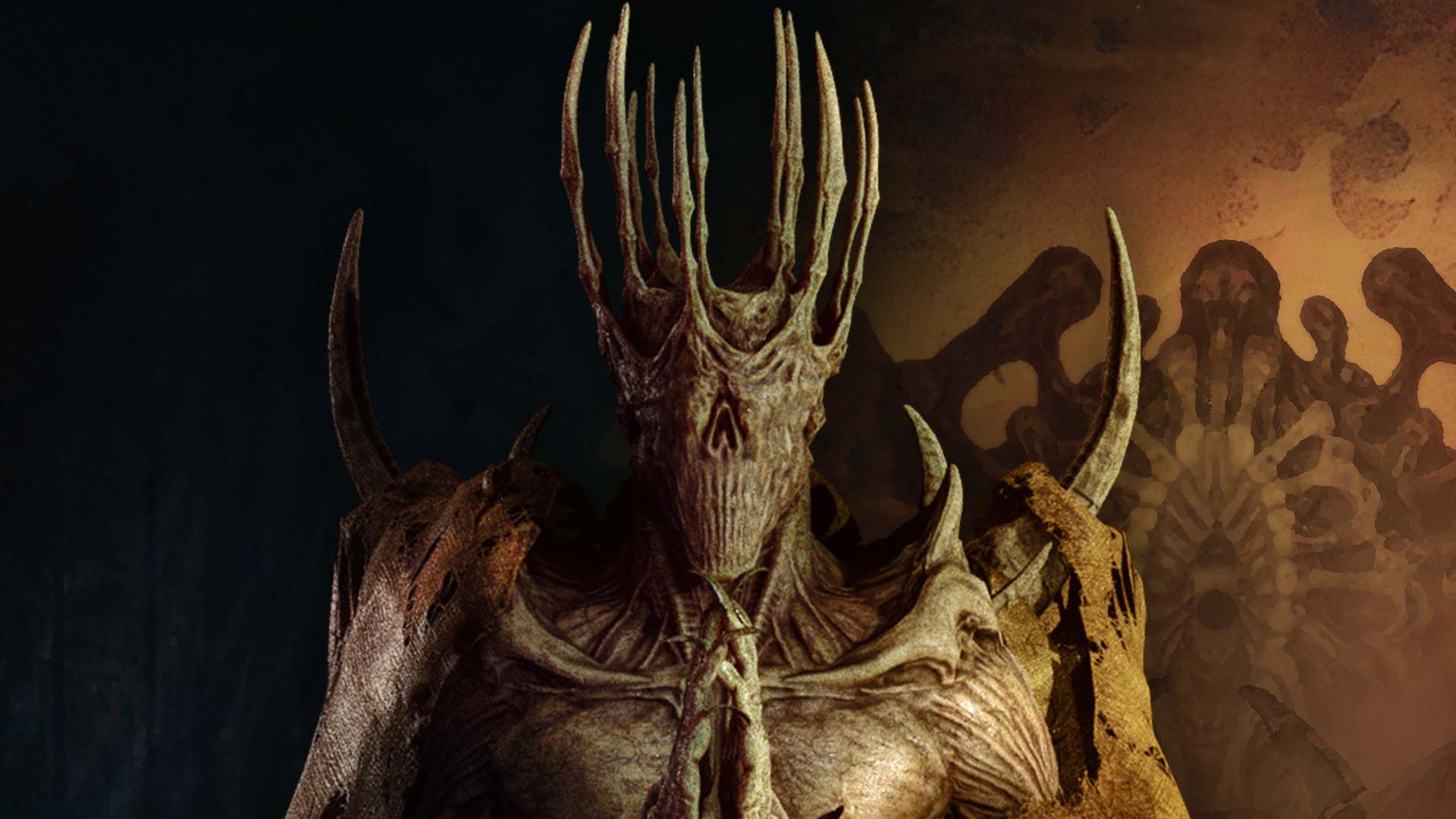
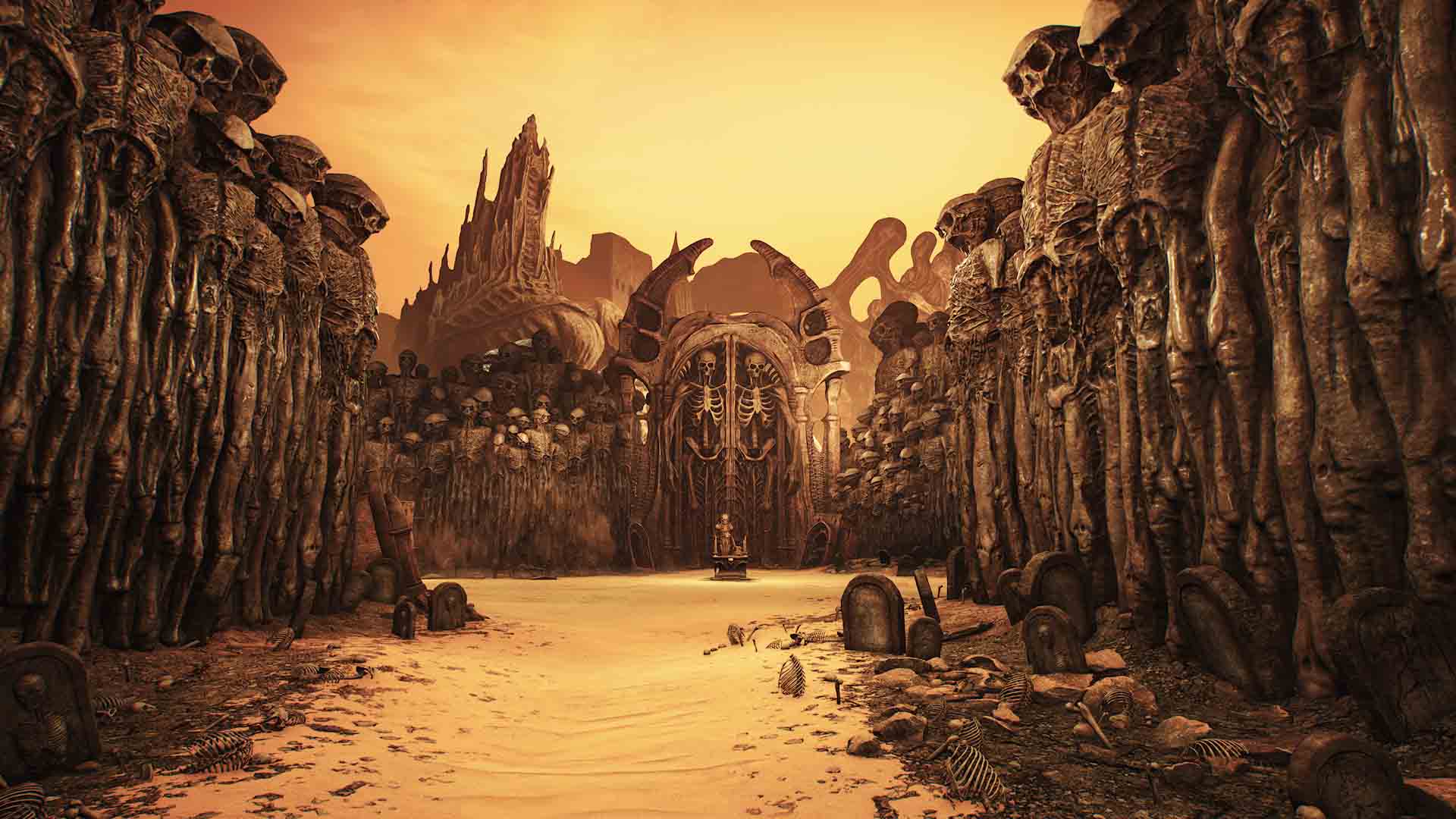
    And macabre it certainly is. Heavily inspired by the Gothic art of Zdislaw Bekskinski, Necrophosis is a poem in motion; a painting come to life; a Weird Tale of decay given to you to explore. It’s a decrepit world of bone and sinew, of creatures caught somewhere between full death and lingering decay, cast into surreal forms of fleshless muscle and yellowed, ossified bone. It’s a stunning attempt at bringing Bekskinski’s unique, apocalyptic and surreal art to interactive media and marrying it with the nihilism of Cosmic Horror at the hands of some of the Cthulhu Mythos most famous creations.

    From the King in Yellow to Nyarlathotep, to that great hoary Old One himself, Cthulhu, Necrophosis cameos some of the big guns into a tale that’s aimed at exploring the metaphysical and philosophical connotations of choice and existence itself, while marrying those themes to one of the Cthulhu Mythos most unexplored aspects: it’s cyclical nature. As Lovecraft once wrote: “The Old Ones were, the Old Ones are, and the Old Ones shall be.”

    Choice, and whether or not you have any, is an important through-line throughout the experience. I feel as though the sense of player agency, or the lack thereof, ties into the game’s themes. This feels especially important when linked to the games rather simplistic gameplay. When you’re not speaking to woeful entities or reading the lore drops scattered across the environments, you’re dealing with some very basic puzzle solving that essentially amounts to taking an item to a specific place or giving it to a specific creature. There’s very little difficulty involved here, and the procedure doesn’t change throughout the game’s runtime, or that of its brisk expansion which, at the end of the game, left me with the impression that it was meant to highlight just how little agency Consciousness has in the unfolding of the story. Whether or not that was what the developer intended I can’t say, but it certainly fits in with the games overall themes and tone.

    Of course, Necrophosis’ greatest strength is its atmosphere. Even when the actual gameplay didn’t quite light me on fire, I still found it hard to put the controller down as I always wanted to see what was just around the corner. How much more of this version of the Cthulhu Mythos would I uncover, what lurked in the shadows, what new tainted abominations would each cycle bring? Like a good arcane tome or portal to the unknown, the need to know more, to see more is the games driving focus.

    That it’s tied to some striking visuals and creepy sound design just happens to be the icing on a malodorous cake.A walking simulator, a piece of performance art, a poem brought to life, a weird tale to read on a dark and lonely night, Necrophosis is all of these things. More than that, it’s a love letter to Cosmic Horror and the Cthulhu Mythos that is aimed squarely at fans of those genres, both of the literal and digital forms of entertainment. As such, it’s an acquired taste that fans of those genres will certainly appreciate. But as a take on what a game could be, anyone looking for something different in the indie gaming space should make the effort to check it out. You may just find something to love at the end of all things.

    Pros:

    • Superbly grotesque art design
    • Compelling exploration that keeps pushing you forward
    • Lots of lore to discover

    Cons:

    • Limited interactivity with very simple puzzle-based gameplay

    Score: 7/10

    Necrophosis: Full Consciousness was reviewed on Xbox Series S/X using a code provided by the publisher. It is also available on PS5 and PC.
  • Review: Hollowbody (PS5/PS5 Pro)

    Review: Hollowbody (PS5/PS5 Pro)

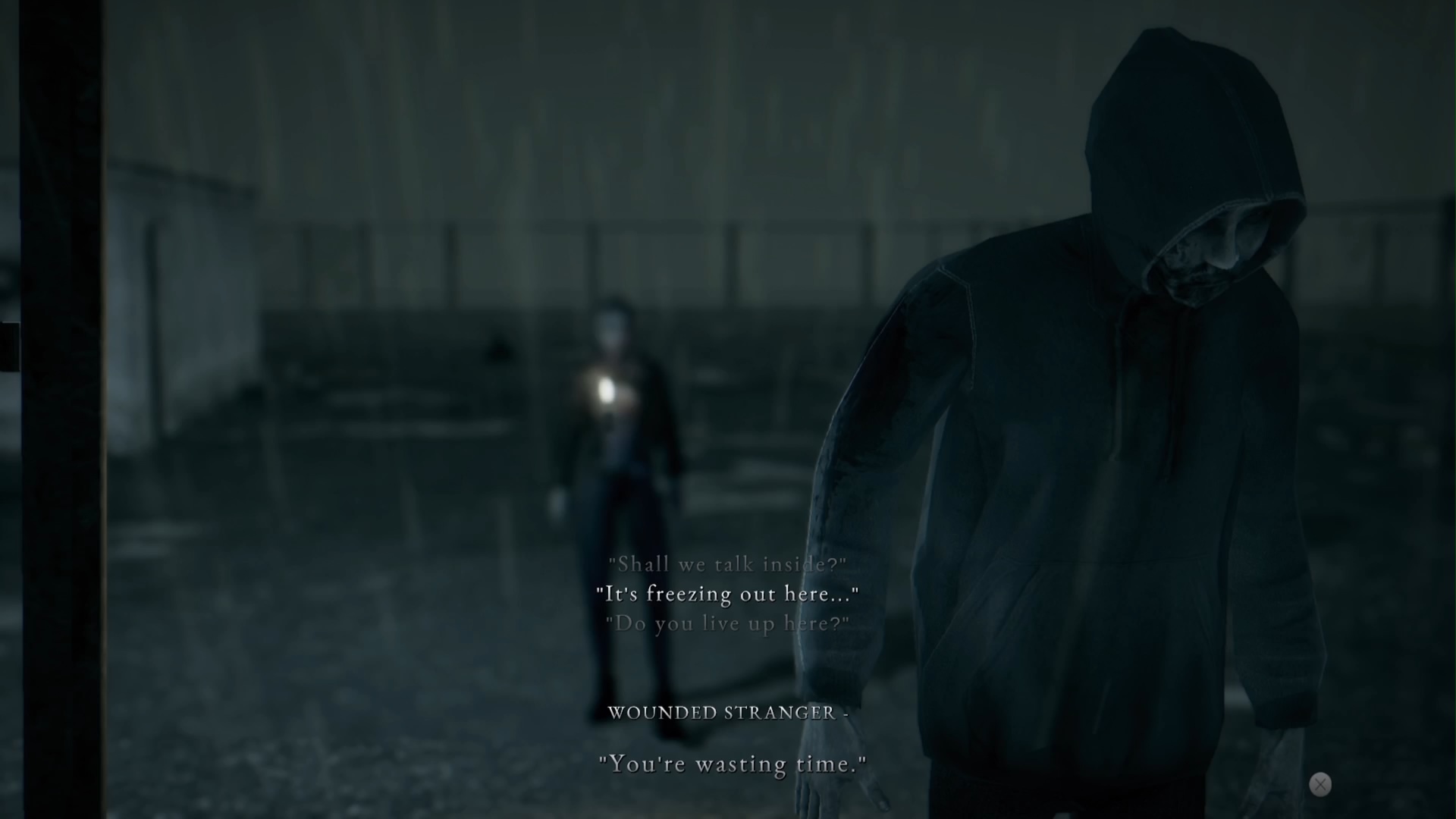
    I can’t fault Hollowbody for being authentic to the era it emulates – from the visuals and atmosphere to the controls, puzzles, and combat – but it never feels as cohesive as the classics. It has a strong start, an overlong and boring middle section, and solid finale if you’re fine with gimmicky boss fights. There were times I could believe it was a lesser-known and underappreciated Silent Hill clone from the early 2000s, but other times it felt a little aimless and lacking a clear vision.

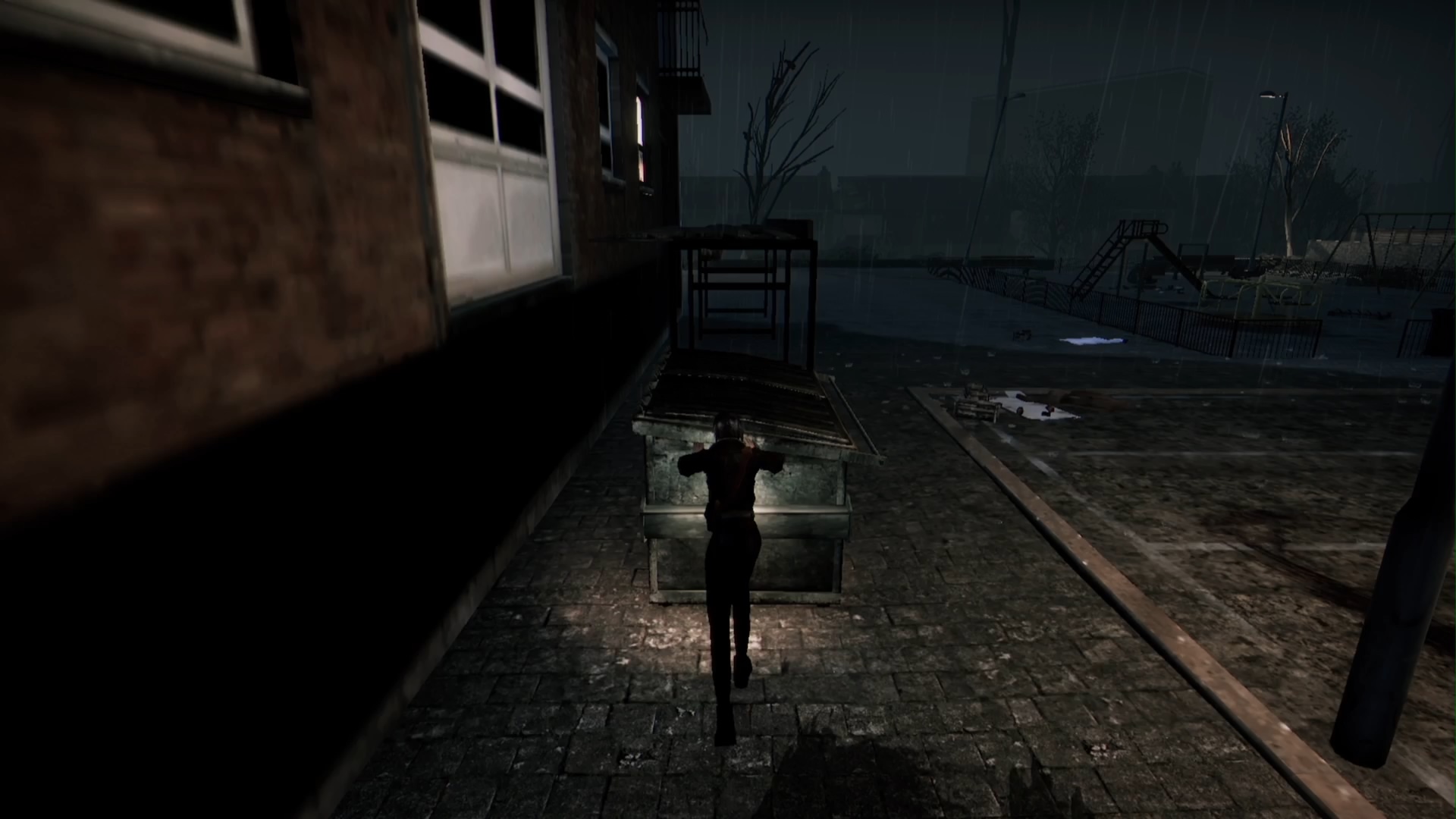
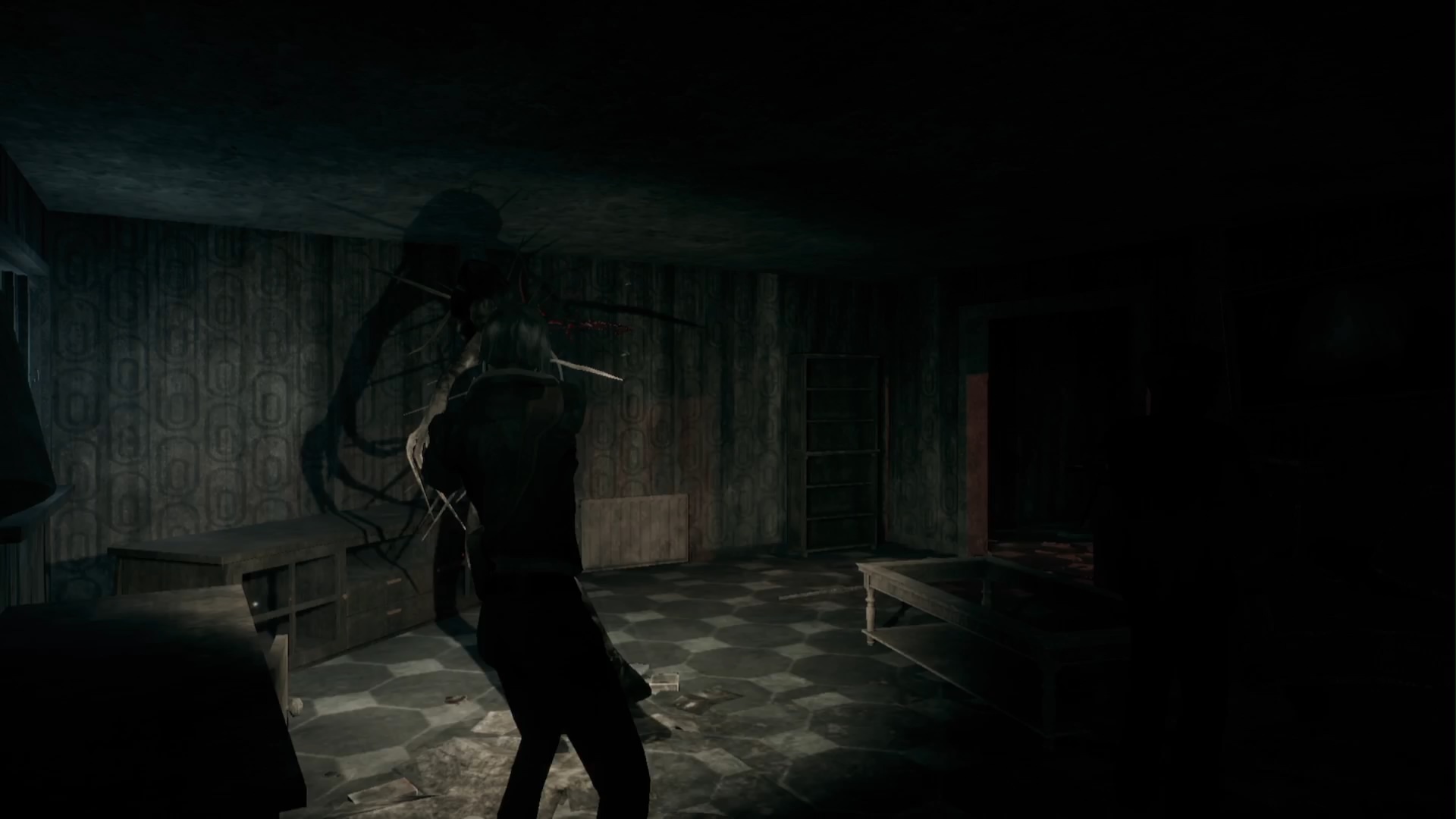
    The impact of the visuals and atmosphere cannot be understated. Hollowbody looks, sounds, and feels like a PS2 survival-horror title around the time developers were transitioning to fully 3D environments. Semi-fixed camera angles, wonky movement and combat, mist-shrouded streets, gloomy maze-like interiors, the limited use of music with a focus on ambience – it was only the high-quality voice work that felt out of place.

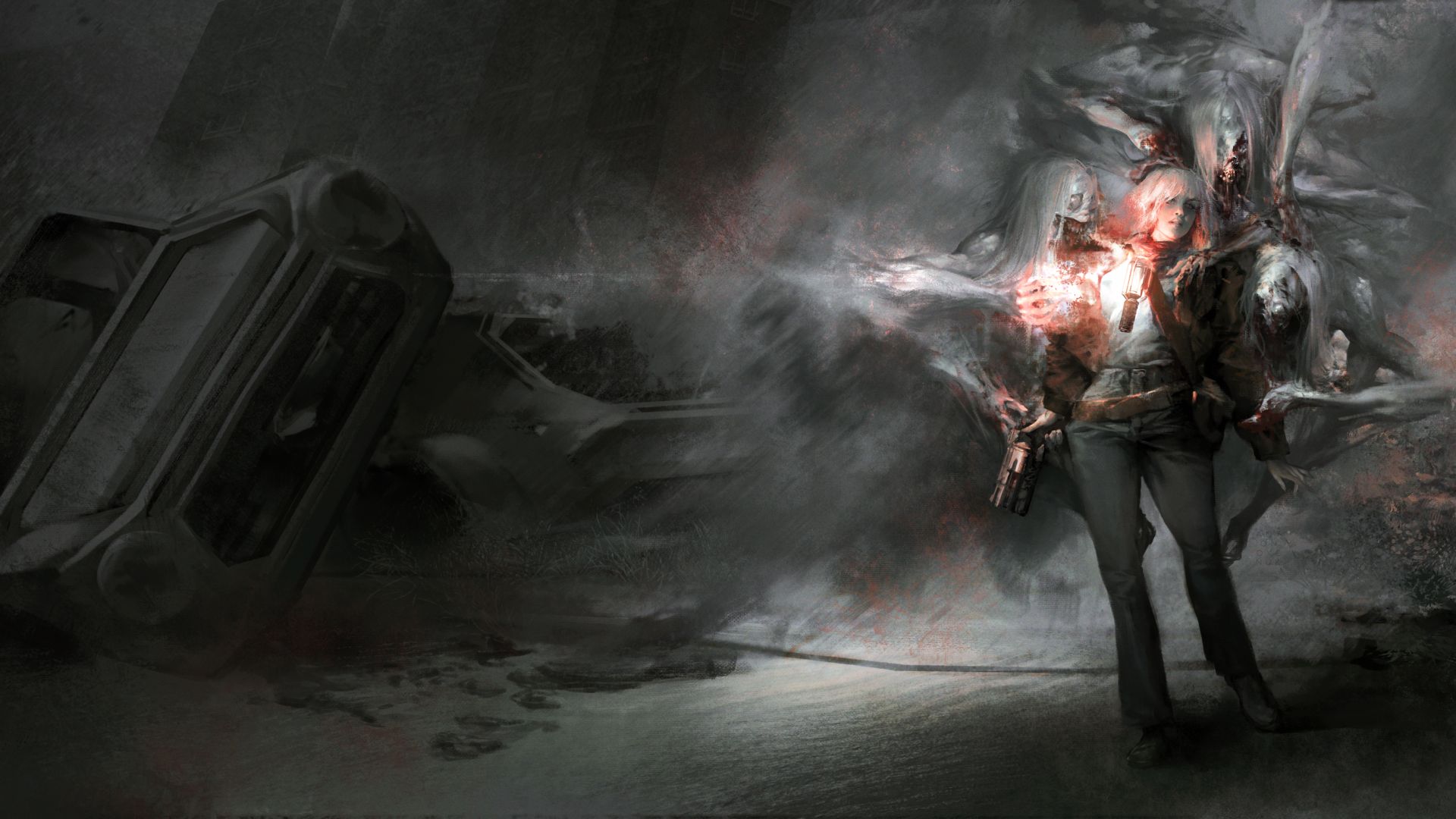
    Hollowbody first places you in the boots of Sasha – a member of some sort of UN observation team – as she traverses a grey and desolate British coastline. Searching for a lost colleague, she descends into a dark cave system only to stumble upon a mysterious pit overgown with organic material and her seemingly deranged companion. Jump forward 12 days and you take control of Mica, a black-market smuggler now looking for a way into an exclusion zone to find her partner who disappeared at the end of the intro sequence.

    The British sci-fi setting is refreshing and the premise intriguing. You have a dystopian near-future dealing with extensive urban decay; the promise of urban regeneration from a charitable organisation with questionable intents; a biological disaster that left entire cities walled off; and a rushed government coverup to minimise accountability.

    All the basics are there but, aside from one NPC and some scattered documents, the only significant narrative beats are the lengthy opening cutscene and an ending that strings together up to four fade-to-black, cliffhanger-style scenes. I guess it’s a love-story at heart, but every other element felt disjointed or dependent on secret documents that demand a ton of backtracking to uncover. Denying the player key information and leaving them confused can be deliberate and effective in horror games but in Hollowbody it simply feels like some sequences were just less developed than others.

    As an example, an early trawl through an abandoned apartment block felt perfectly paced. A distorted voice taunts Mica over old landlines (that double up as manual save points); environmental details and scattered notes reveal the desperation of those living there; you get your first taste of the twisted monsters that stalk the quarantine zone; and an encounter on the roof that marks a divergence point that will  see you go on alone or with a companion that’ll drip-feed a few more details and trigger a different ending.

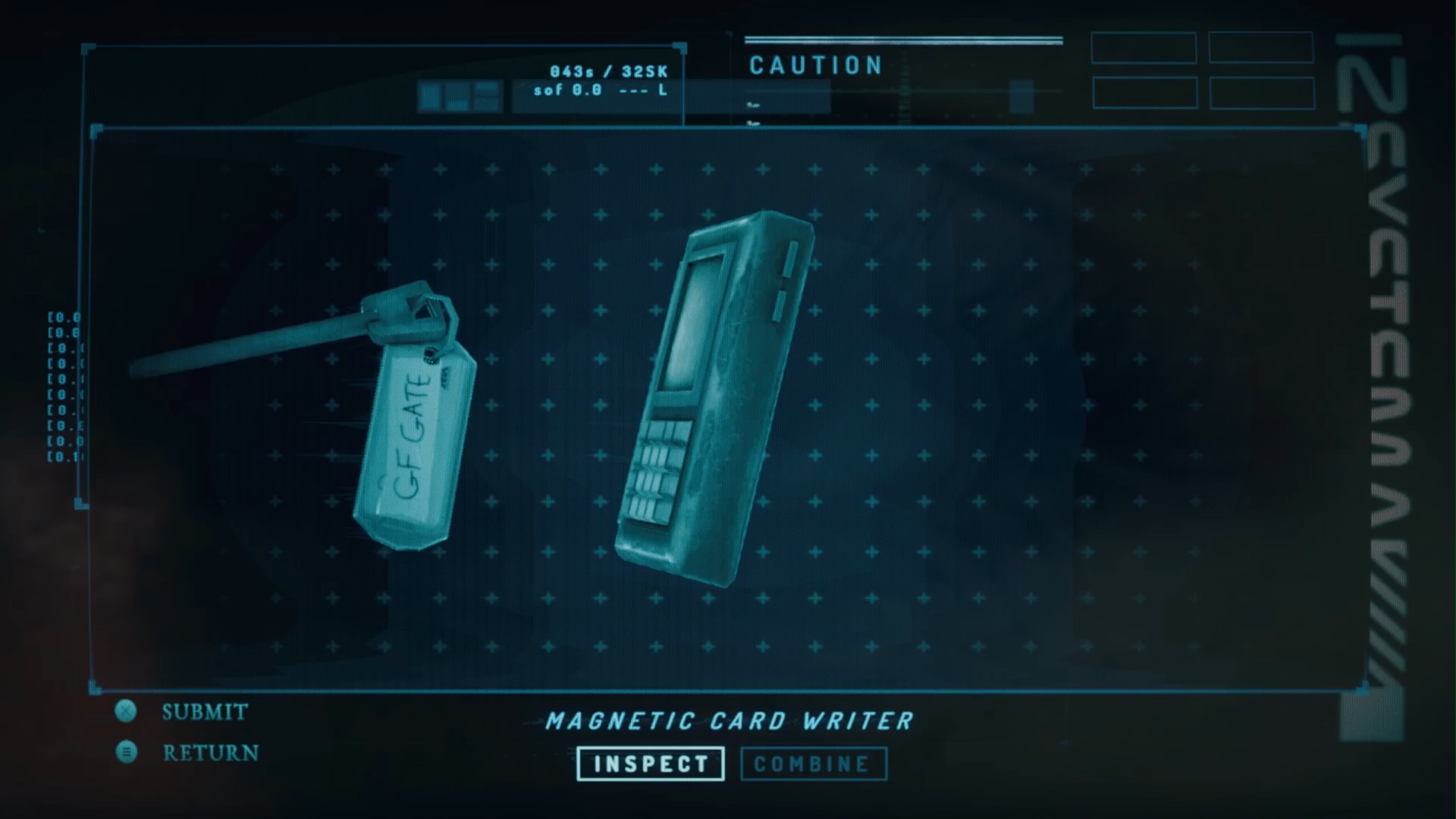
    When it comes to gameplay, you have puzzles and combat that also follow the classic formula. You hunt for actual keys or key-like items to progress, sometimes manually inspecting or combining objects to progress. The puzzles are self-contained and logical (outside of one elaborate secret) but get satisfyingly weirder as you push forward. Standing in your way are monsters that you’re never forced to fight, but dodging their shambling attacks can be difficult in tight spaces or when changing camera angles sabotage your movement.

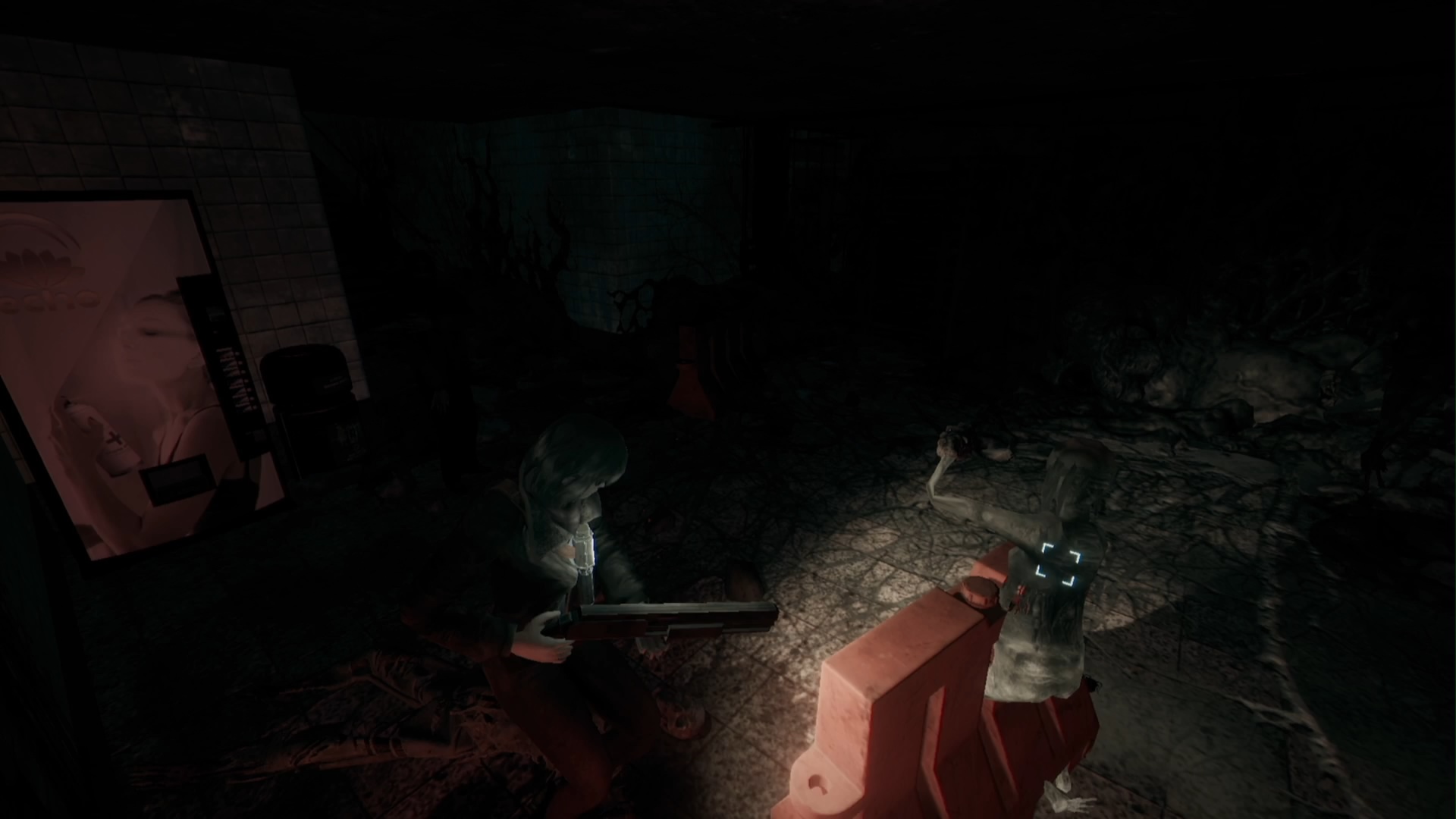
    If you resort to combat, ammunition is scarce enough that you’ll want to save it for bigger or faster-moving creatures. As a result, much of the game is spent baiting attacks, backpedalling, then laying in with an assortment of equally useless melee weapons with inconsistent hitboxes.

    Fans of classic survival-horror might think this sounds par for the course and, yes, you are the target audience. However, Hollowbody relies too heavily on monster gauntlets and backtracking during a bland middle section, consisting of streets, parks, and sewers that connect the apartment block opening with the train station finale. The environments blur together, there’s little narrative momentum, puzzles feel simpler, and there far too many enemies roaming around aimlessly. Hollowbody may not be particularly long at 4-ish hours for a first playthrough, but if the opening and closing hours feel like excellent homages to classic games, the entire middle sequence is uninspired filler.

    It is worth pointing out that Hollowbody has options to reduce the enemy count and switch to a third-person camera system that works alright in outdoor areas. It also has a secret dog ending; an elaborate hunt for data disks to unlock lore; and some other familiar modes like enabling a big-head or playing from the first-person (which is worth messing around with in interiors to better appreciate the details in the environment).

    Now I’ve come across as more negative than intended, especially considering Hollowbody is a budget-priced indie game, so it’s worth reiterating it serves as an impressive nostalgia trip for those after classic vibes. The problem is that while game length is an eternal debate, after one and a half playthroughs, I feel Hollowbody would have been better off taking the Resident Evil 2 approach; offering an even shorter and less padded playthrough with the focus instead on pathing and puzzle variations between runs as you unlock new endings.

    Pros:

    • It captures the look and feel of early 2000s survival-horror games on the PS2.
    • Increasingly weird yet logical puzzles.
    • A novel setting, smart writing, and great voice work.
    • Limited music but excellent use of unsettling ambience.

    Cons:

    • Clunky combat and clunkier camera controls.
    • The middle section of the game is heavy on backtracking and monster gauntlets.
    • A gimmicky final boss battle.

    Score: 7/10

    Hollowbody was reviewed on PS5 using a code provided by the publisher. It is also available on PC and Xbox Series S|X.

  • Review: Foreign Sun (Nintendo Switch)

    Review: Foreign Sun (Nintendo Switch)

    Foreign Sun had spelunking back and forth between a settlement, a sewer system, and a competing settlement; running around shanking anyone foolish enough to cross beam-sabers with me; getting ready for another attempt at the boss. Turns out I still wasn’t ready enough.

    I spawned back in to find the settlement I’d been buying my mods at raised to the ground, its inhabitants butchered by some black-clad, mask wearing weirdos who were also wiping out anything breathing in the competing settlement. I imagine they did the boss in as well?

    Did this happen because I failed to beat the boss too many times? Because of a prisoner I helped free a little earlier in the game? Questions whirled through my mind but I carried on. And just when I felt the need for a map, lo and behold there was an NPC selling them for the low, low cost of my soul. What could possibly go wrong, right?

    Choices with consequences – a bold claim many games make yet very few achieve. Even fewer with consequences that make a discernible difference to the game world around you.

    It’s not difficult to understand why that doesn’t happen all that often. Games are complex beasts, full of varied systems already struggling to work together in harmony. But every so often, a game comes out of left field that makes you go; “Wait? What just happened?”

    And that is exactly what Foreign Sun made me do. Now I love replaying games that I enjoyed, but I rarely have the urge to restart them or play a New Game+ as soon as I’d finished it. But even before I was at the halfway point through Foreign Sun‘s world, I already found myself wondering “What if?”

    What if I’d beaten that boss on my first or even second attempt? What if I hadn’t visited that suspicious prisoner? What if I hadn’t sold my soul just for a quick way to figure out where I was or had yet to visit? What if?

    So much so that I’d considered starting a new save file just to see how much of a difference my decisions would make. And that’s when I knew Foreign Sun had me hooked. Even with the tough boss fights and the more than a few moments of feeling like I was butting my head against a wall trying to figure out where to go next. Yeah, Foreign Sun captured me, so much so that I’m still thinking about it. Still wondering “what if”?

    Developed by Final Scene dev, Foreign Sun is both the spiritual successor and rework of the developers previous game, Biomass. What started out as a visual update has evolved into it’s own pilgrimage to the Lighthouse.

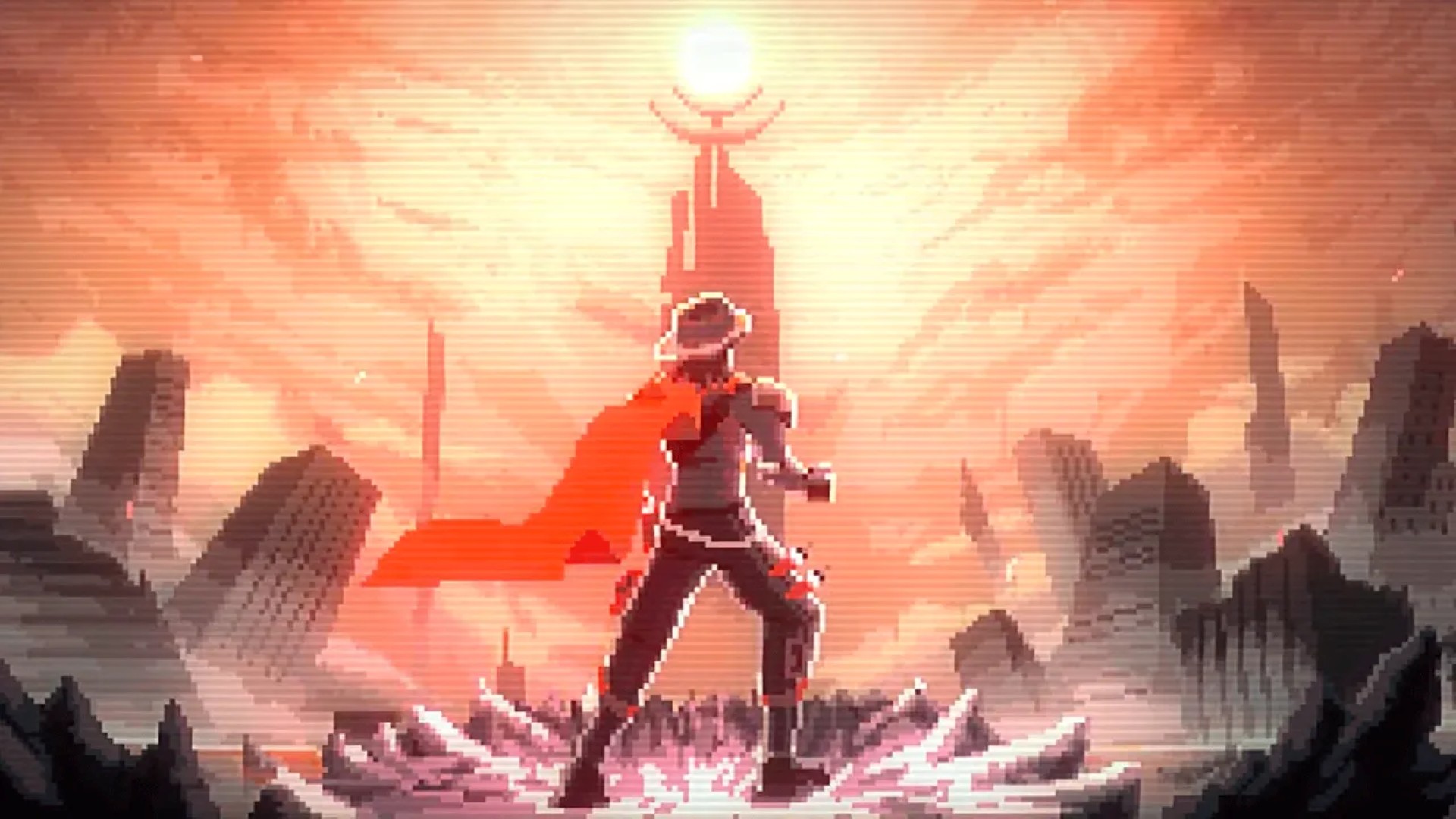
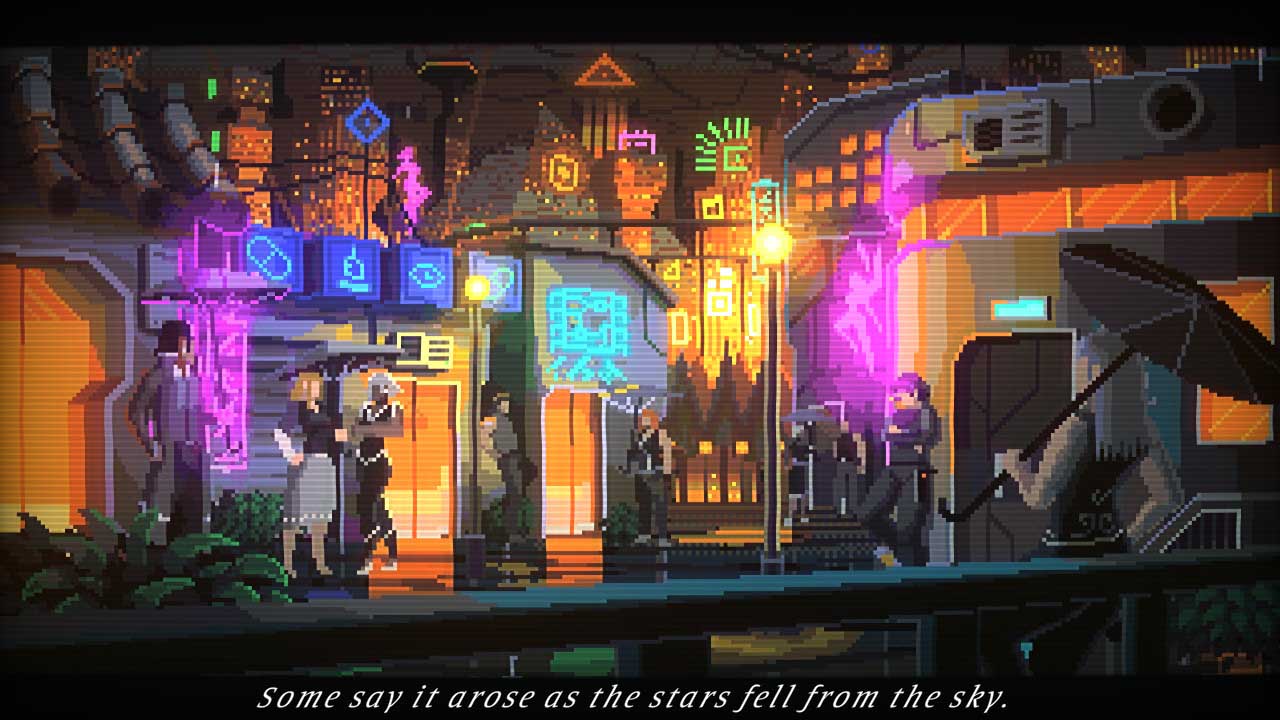
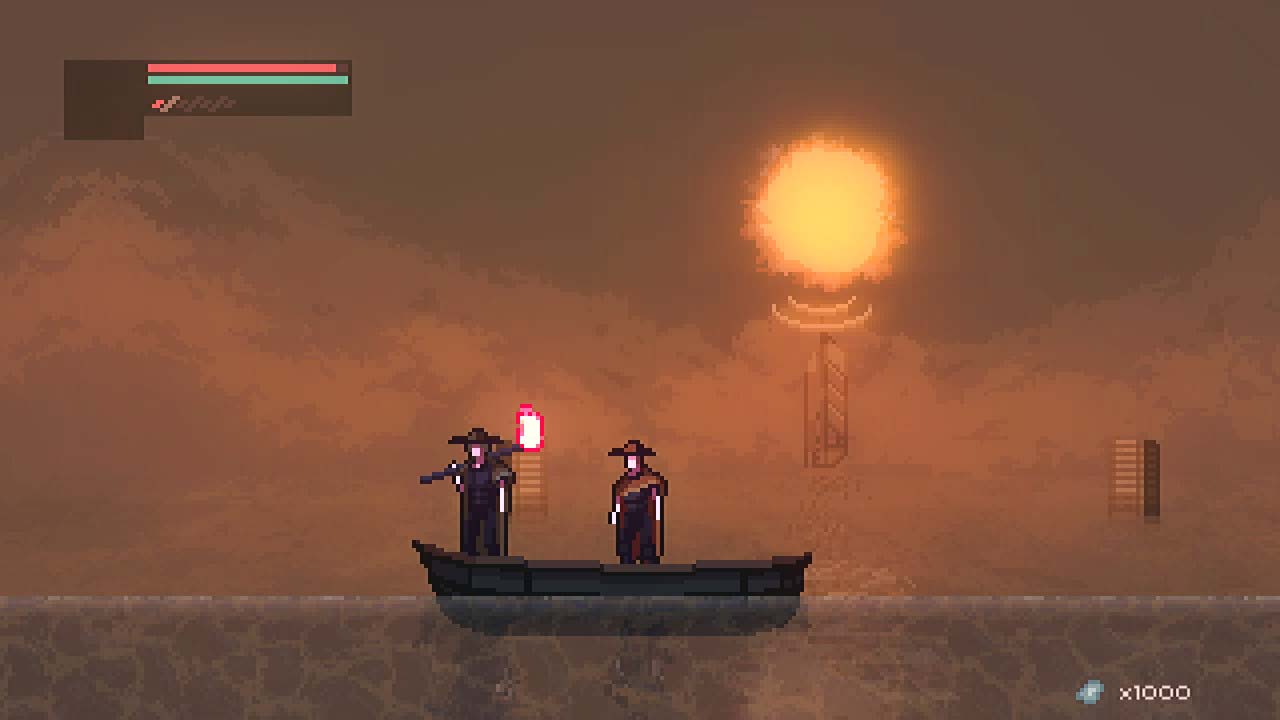
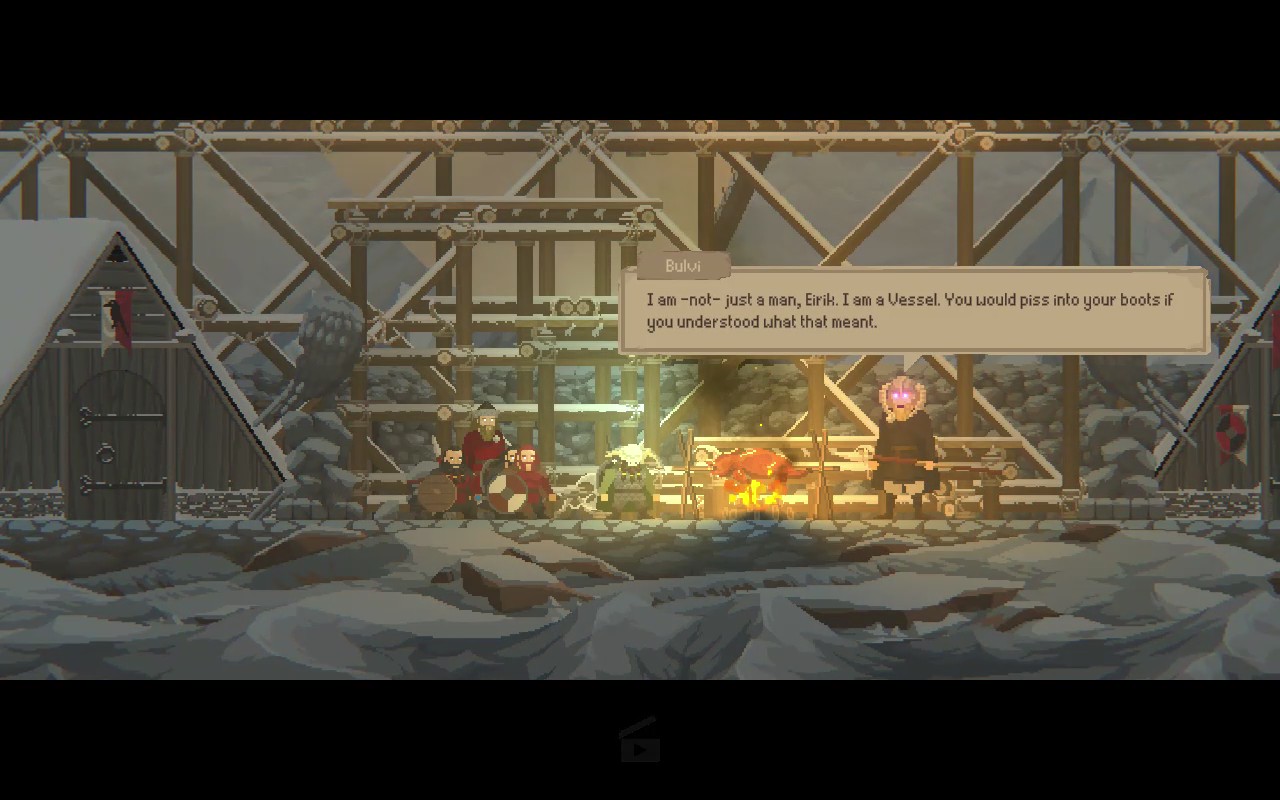
    Set in a flooded, post-apocalyptic world, where survivors eke out a miserable existence in the drowning remains of skyscrapers, Foreign Sun is a Souls-vania swimming in a variety of influences. From odd mutations to cyberpunk-ish leanings, it’s a melting pot of ideas all rounded out with a heavy Spaghetti Western feel. And as a pilgrim with no name hoping to reach The Lighthouse and cross the Meridian Gate, your journey across a new, wild world is only just beginning.

    With choice being such a huge part of the narrative, seeing everything Foreign Sun has to offer will require multiple playthroughs. The game seems tailor made for it in essence, with multiple endings that reveal more about the world, change characters, and open up new routes and boss fights.

    With that requiring a fair amount of time investment, it’s a good thing the game is both intriguing and plays well. In essence the basics of Souls-likes is here, with light and heavy attacks, ranged attacks, and mods that upgrade your health and stamina. There are machines to reconstitute at when you die, where you also buy your mods from, but stat specific upgrades don’t exist, making this a more streamlined experience in the Souls genre.

    You can block and parry attacks, but what you can block and parry is based around the type of attack used. Some attacks, like AOEs, can’t be blocked. Others will drain your stamina bar and a little bit of your health. Some attacks can even parry bullets back at enemies.

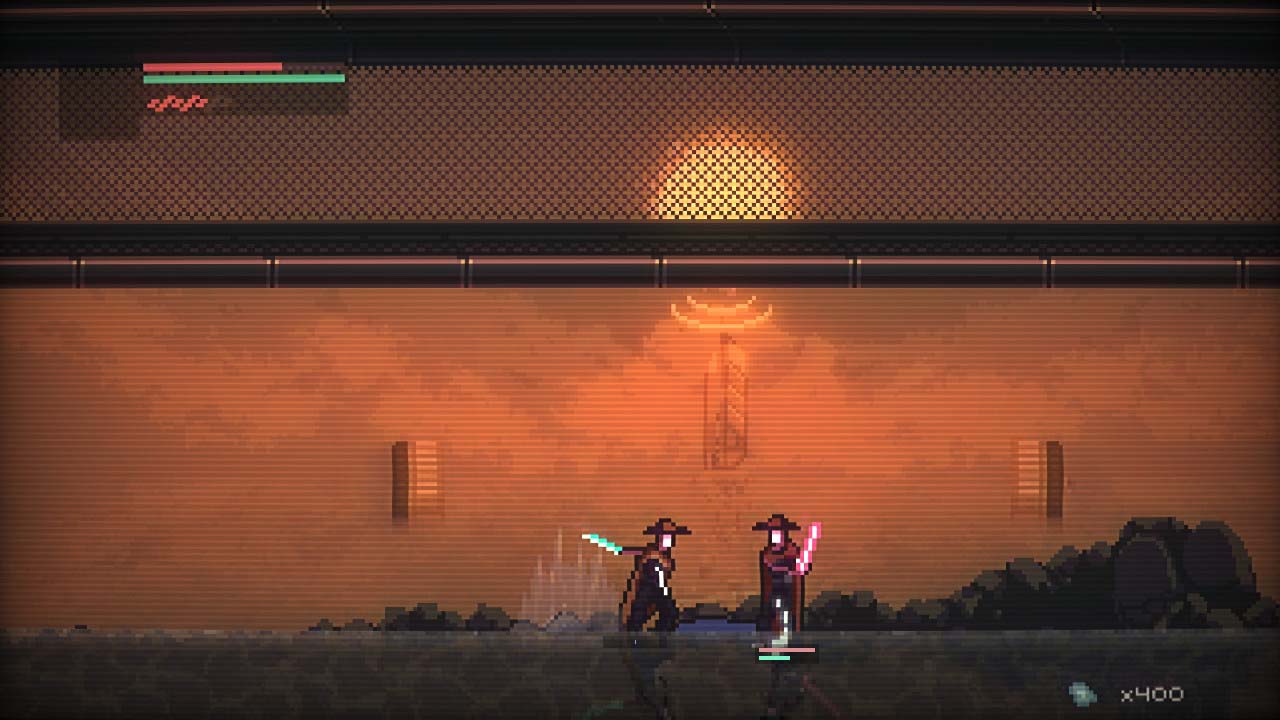
    Close combat is the name of the game here, with bouts designed around weapon clashing. In function it’s a form of parry, but one that needs to be hit back-to-back to drain the enemy’s posture, leaving them open to one hit kills for regular enemies and large damage dealers to bosses. With all your melee weapons plasma-based, the Star Wars inspiration is clear and quite awesome. Timing is paramount, but when you do get the flow right and clash multiple sword attacks together in one sequence, it’s a spectacular-looking (and sounding) sight.

    The combat system is simple to use but has enough nuance so that it is hard to master while paying attention to all the small details that can turn the tide in a fight. Clash weapons too often with not enough success and you can overheat, leaving you open to attacks. Sneak up on enemies and you can do a one hit kill. Regardless, paying attention is highly important as the combat flow in Foreign Sun is incredibly fast. You’re going to need speedy reflexes here to survive fights. Even more so in boss fights.

    It does bring me to one of Foreign Sun‘s flaws: it’s just a little too hard for its own good at times. Bosses can be very challenging and even standard enemies can wreck you in two or three moves. Even with health mods, you get wiped out very quickly. I think the game needs a little more tweaking on the difficulty and damage dealing mechanics, especially for bosses where it can feel like you’ve hit a roadblock until you finally manage to beat them.

    Atmosphere is one thing that Foreign Sun excels at. The fantastic soundtrack combines wonderfully with the ominous, washed-out, sun-drenched visuals and dark, mutant infested corridors. Even with NPCs around, there’s a feeling that you’re a lone gunslinger on a long, lonely journey, reinforcing that Western feeling. And dripping over it all, a sense of melancholy and despair that permeates the whole journey. The games audio is also wonderful. Beam weapons sound fantastic – even more so when you’re clashing at high speed.

    Games that come around and really surprise you are increasingly rare. Vanishingly rare are the ones that make oft used mechanics feel fresh again while also surprising you. For its few faults – namely the high difficulty and obscure moments on where to go next – Foreign Sun is one of those games. It’s an atmospheric, lovingly crafted, melancholic Souls-vania with haunting, hidden depths that I can recommend to all indie fans.

    Pros:

    • Choices you make have weight
    • Fun, fast and deep combat
    • Fantastic atmosphere
    • Great soundtrack

    Cons:

    • Some hefty difficulty spikes
    • Can feel obscure at times where progression is concerned

    Score: 9/10

    Foreign Sun was reviewed on Nintendo Switch using a code provided by the publisher. It is also available on PC.

  • Review: Regions of Ruin: Runegate (Steam Deck)

    Review: Regions of Ruin: Runegate (Steam Deck)

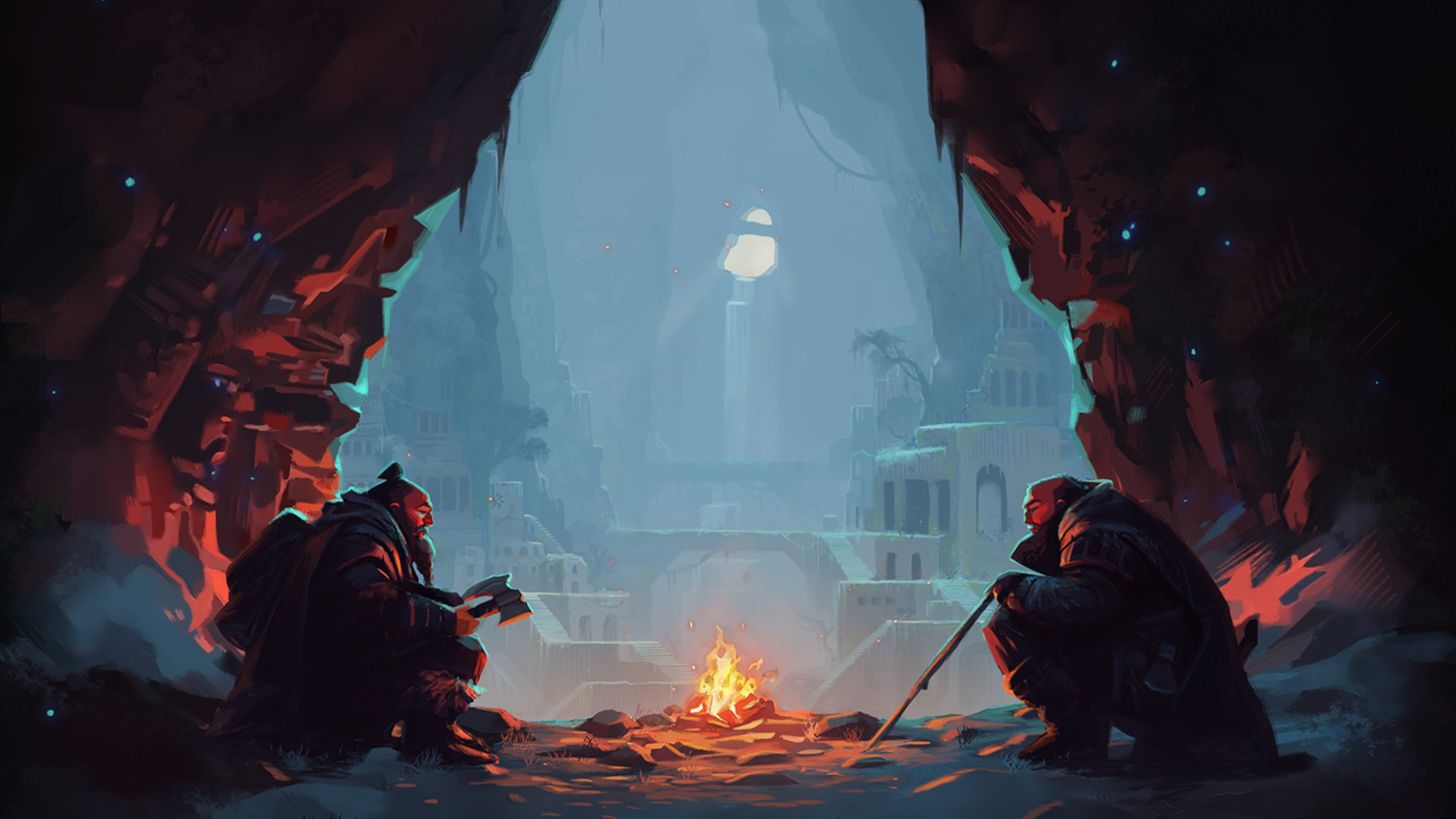
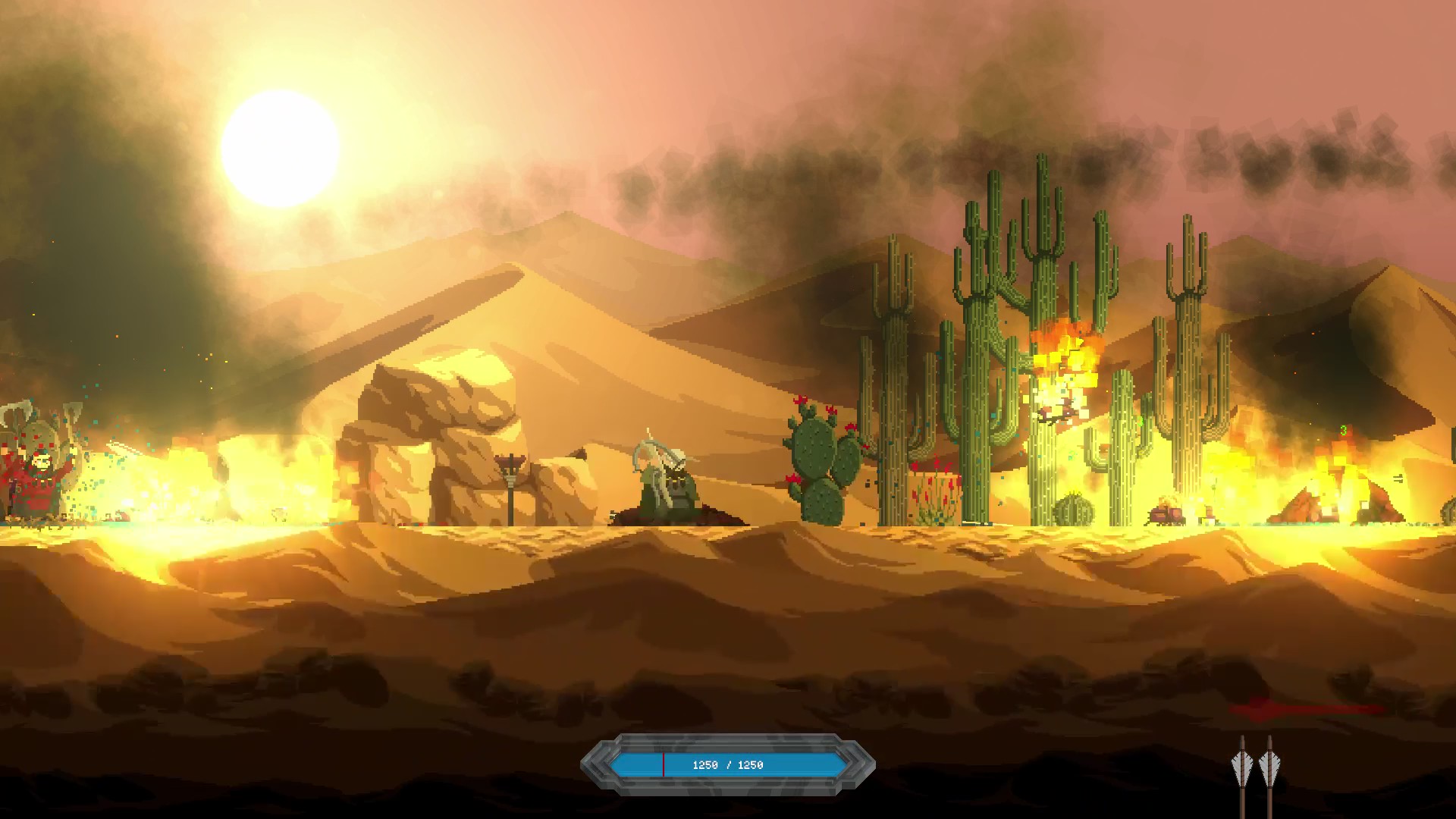
    Regions of Ruin was a compelling mash-up of genres when it released on PC in 2018. It offered Kingdoms-style settlement-building with gorgeous pixel-art; bite-sized, side-scrolling action paired with surprisingly dense RPG mechanics; and indomitable dwarves fighting back against an overwhelming horde of savage goblins and orcs. It also had a great soundtrack (suspiciously similar to that of The Elder Scrolls V: Skyrim) that perfectly complemented the action as you carved a bloody path across the continent on a barely signposted quest to uncover a path to an ancient Dwarven sanctuary beneath the surface.

    Eight years on, it now feels like an experimental, early-access version of Regions of Ruin: Runegate; a fully-fledged sequel that builds upon the scant narrative the first game offered, while delivering improved visuals, more varied combat with better balancing, quests with extensive narrative, expanded settlement-building, and refined RPG mechanics. You may prefer the classic visual style, but every other element of the game is hugely improved.

    That said, the fundamentals stay the same. Regions of Ruin: Runegate is designed for short but more-ish play sessions that have you bouncing between diverse but compact 2D zones – very few of which will take more than five minutes to battle, puzzle, or platform through.

    You take on quests to aid locals and rescue dwarves; you cull greenskins and other threats that plague each realm; you smash through creates and loot chests for resources and gear; and you frequently return to Rivenbrook – a long-abandoned settlement connected to other realms by the titular Runegate. Unlike the first game, you have a more functional journal to track quests and there is a ton of narrative and world-building for those who want to know more about each realm and the history of the Dwarves.

    It offers a satisfying gameplay loop in which you briefly visit settlements or outposts to chat to the diverse inhabitants and pick up quests, travel across a stylish world map as the day-night cycle rolls on, and enter hostile areas populated by man or beast – all waiting to taste your axe (or sword, spear, knife, crossbow, and firearm) in chaotic battles full of pixelated gore and gruesome sprite death animations. Unlike the first game, combat feels challenging but better balanced to support all weapon types. Going stealthy and flinging throwing axes at unaware enemies is no longer the only viable option when dealing with endgame hordes.

    Battles on a 2D plane are inherently limited in complexity, but each weapon type – think one hand, two handed, knife, and ranged – has an ideal range, attack speed, crowd-control potential, and varied effectiveness against armoured foes. There’s a focus on managing a stamina bar that depletes as you accumulate wounds in battle, and you’ll want to rack up bonus damage by either hitting enemies from stealth, from behind, while they’re stunned, or knocked down. There is still plenty of jumping, dashing, and slashing during busy battles, but it feels more tactical once you’ve recruited and trained up some companions to draw attention away from you.

    As an RPG, there’s still a strong of focus on character levelling, equipping powerful gear, and rebuilding the Rivenbrook settlement to generate resources and gold, attract shopkeepers and companions, and open up crafting and enchanting stations. Unlike the first game, in which survival in larger battles could feel random, Regions of Ruin: Runegate does a better job of balancing escalating difficulty with character progression. By default, those who don’t rush the main quest will have ample opportunity to fill out an expansive skill tree with essential perks and incremental upgrades, while also looting, buying, or crafting powerful gear to tailor their build. It is a game in which you always feel like you’re on a trajectory towards becoming overpowered and self-sufficient.

    By the midpoint of my journey, tearing a path through the arid second realm, I had invested in restoring Rivenbrook’s fishing dock, lumber mill, and mine to ensure an infinite supply of basic materials for further upgrades, crafting, and enchanting. I invested broadly across the skill tree rather than hyperspecializing, with my focus on stacking every damage-over-time perk – poison and bleeding – with weapons that had a high chance to inflict burning status. I also spent a considerable amount of gold and a few skill points to level up my companions – ensuring they could tank some blows and even slowly self-revive while I led away enemies.

    Those who tackle everything on offer will find the challenge gradually diminishes, but at least Regions of Ruin: Runegate never feels like it is wasting your time. Restoring and upgrading resource-generating buildings in Rivenbrook means less time spent juggling workers. Merchant stalls, an armoury, and forges means less reliance on loot drops. Companions draw aggro and allow you to tackle encounters with more aggression or creativity. It’s an adventure the feels like starting as a minor rockfall before escalating into an avalanche of Dwarven rage.

    I played it exclusively on a Steam Deck and it was a fantastic fit for both the gameplay loop and visual style. The pixel-art looks great, especially when sunlight or moonlight filters through trees and rocky outcrops, and it hit 60fps most of the time (a fully upgraded Rivenbrook and battles with abundant fire effects dragging it down somewhat). It should run well on any more recent handheld PC and I hope a Nintendo Switch 2 port is next in line.

    The only two caveats I can think of is there is a little too much text to read through at times (especially on a small screen), and binging Regions of Ruin: Runegate is the quickest way to highlight its limited depth and repetitive nature. So long as you’re treating it as a pick-up-and-play game when short on time or between other games, Regions of Ruin: Runegate offers a fantastic 2D action-RPG with few flaws. It moves at a brisk pace, never wastes your time, and turn you into an unstoppable force of Dwarven vengeance leaving bloodied chunks of your enemies scattered across the realms.

    Pros:

    • An actual narrative and better-defined quests.
    • A brisk and immensely satisfying gameplay loop of escalating carnage.
    • Settlement building is even more satisfying and allows you to become self-reliant.
    • Improved pixel-art visuals, sprite animations, and another great soundtrack.
    • A perfect fit for the Steam Deck and other handheld PCs.

    Cons:

    • Longer play sessions highlight its repetitive nature.

    Score: 9/10

    Regions of Ruin: Runegate was reviewed on PC (Steam Deck) using a code provided by the publisher.

  • Review: Skautfold: Moonless Night (Nintendo Switch)

    Review: Skautfold: Moonless Night (Nintendo Switch)

    Welcome to the 1900’s. Welcome to the Angelic Empire of Britannia. Welcome to Skautfold: Moonless Knight. And welcome to the end of the world.

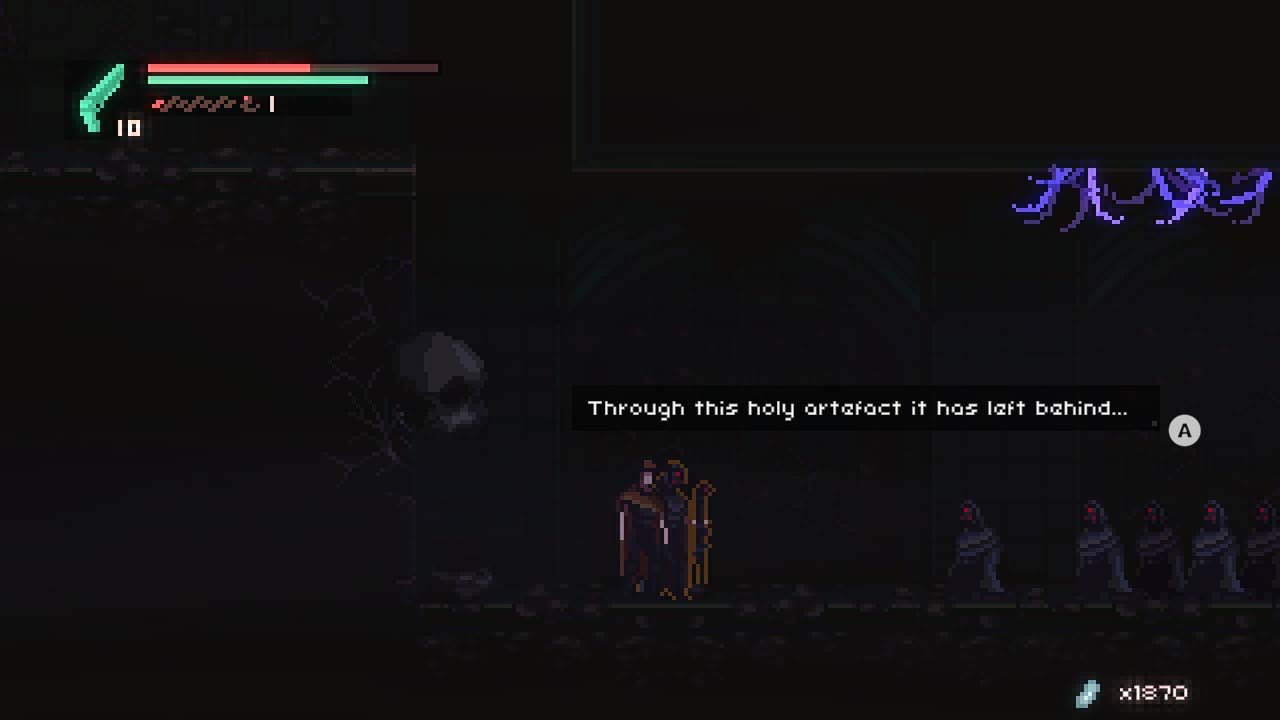
    If that sounds like a heavy opening, that’s because it is. And that’s because Skautfold, as a whole, is as well. Set during the late 1800’s and early 1900’s, the Skautfold series is a full-on Cthulhu Mythos, Lovecraftian, Cosmic Horror action-RPG franchise that, sadly, you probably never heard of. Initially released for PC in 2020, Moonless Knight is now allowing console owners to pit the Knights of the Empire against eldritch horrors with this penultimate chapter that propels the series towards its apocalyptic conclusion.

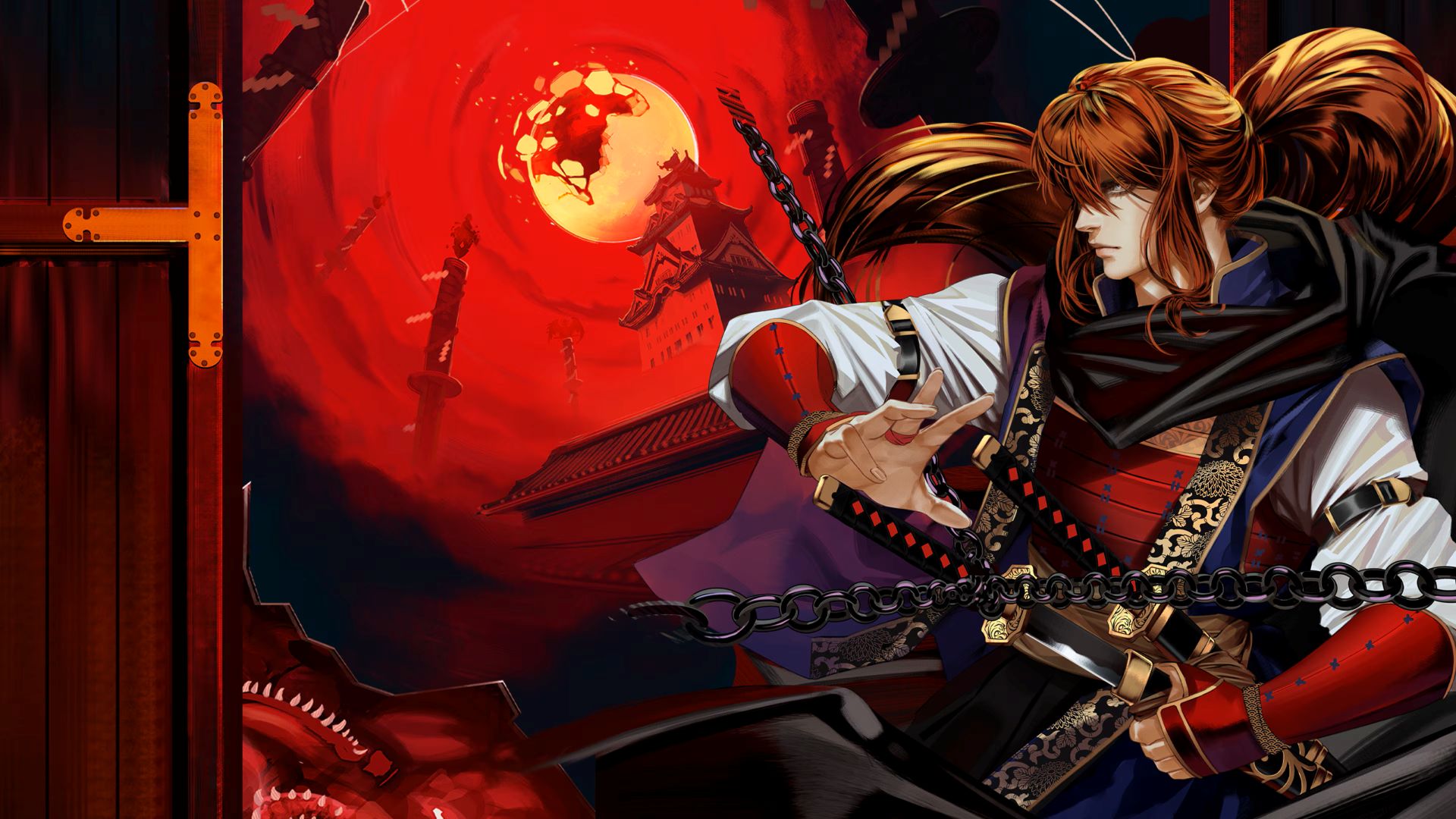
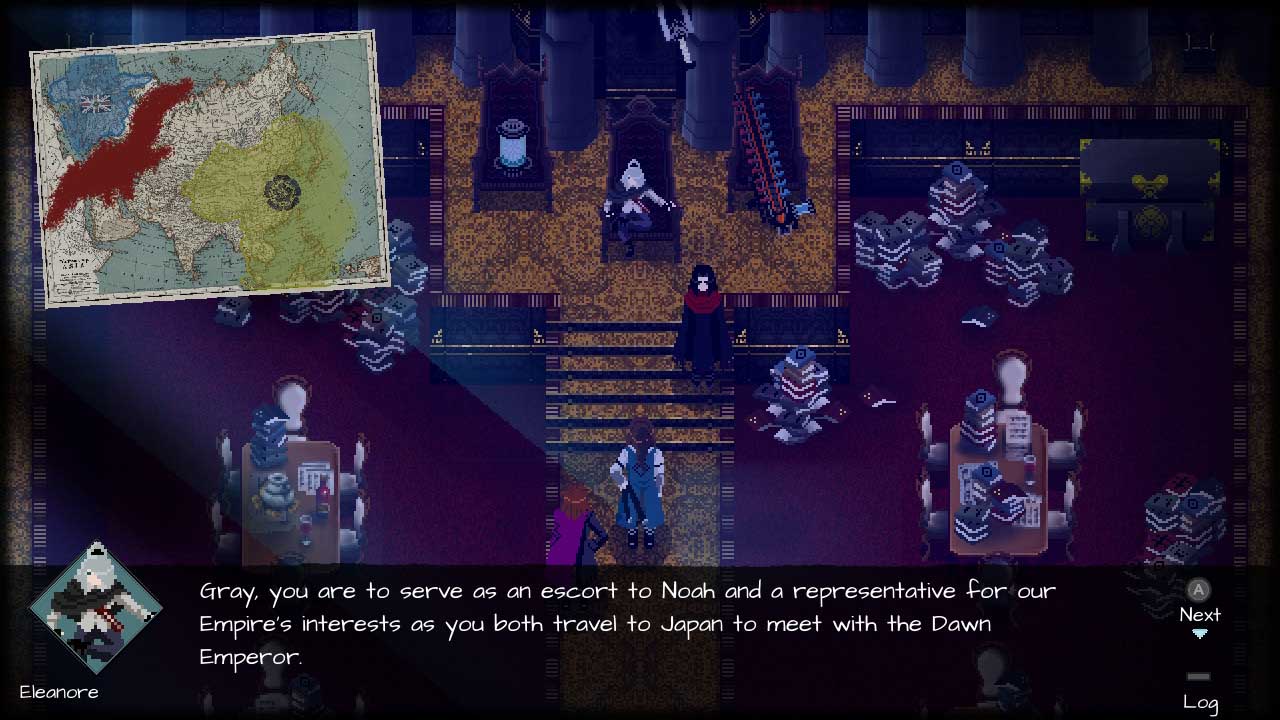
    For this entry, the series switches location from the horror-plagued streets of London to the shores of Japan and its Dawn Empire. As part of a delegation sent to negotiate with the Emperor in response to the looming end of the world, you take on the role of Gray, 2nd Knight of the Empire. Alas, things do not go well, and the negotiations are sabotaged by a group of Eldritch God worshipping Lunatics. Taking shelter in the Imperial Palace, it becomes your job to route the cultists, win the Emperor’s trust and delve into the legends of the Oda clan and what lies hidden beneath the Palace – possibly the only thing capable of saving the remnants of humanity.

    Like the Darksiders games, the Skautfold series has played around with different game genres for each instalment. From survival-horror to Metroidvanias, the developer has explored diverse mechanics and perspectives. What has remained true for each instalment is the heavy cosmic horror focus along with RPG and Souls-like elements. And that remains true for Moonless Knight as well.

    Moonless Knight ditches the survival-horror mechanics of the original, instead focusing on gameplay mechanics and styles from other games in the series, creating an isometric action RPG with Souls-like mechanics. Unlike most action-RPG’s however, the Skautfold games focus firmly on storytelling while taking a step back to focus on almost hardcore, tactical Souls-like combat. There’s a bit of Metroid and Legend of Zelda mechanics thrown in for good measure to create a melting pot of strangely addictive gameplay.

    The story itself is great and paints a pretty, or not so pretty, picture of the stakes here at the end of the world. It’s certainly one of the games highlights, filled with plenty of dialogue and enough creatures to make the Lovecraftian fan in you happy. From Night-Gaunts that operate shops, to the Mi-Go running a smithy, to certain frozen statues highlighting the form of a certain Mighty Messenger, there’s a veritable who’s-who of the Mythos here for the aficionado.

    One of the nice things about the Skautfold series is that you can jump into the games at any point. While the story, albeit focusing on different protagonists, is continuous, you don’t have to have played the previous game in the series. And the same goes for Moonless Knight. There’s more than enough exposition for you to figure out what’s going on but I would recommend picking up on this series from the very beginning, if you haven’t already.

    The world is a little bit Metroidvania in design, with plenty of locations blocked off by skills you may not have, and alternate routes and paths that need to be unlocked. Exploration is important on your first run through an area as there are upgrade materials, money, and skill increases scattered across the environment or found in chests. There is a level of repetition that does set in as you do travel across the same areas a bit too much. For me, this aspect of the game felt less like a Metroidvania and more like a dungeon-crawler when taking into account the back and forth and room layouts that add to the labyrinthine and maze-like feel of the environments.

    Skautfold: Moonless Knight makes use of one of my favourite ways to level up skills in a game and that is, by using them. Blocking, dodging, and your weapon are improved by using them. It’s a really satisfying progression mechanic that does a great job of showcasing your increasing prowess. You can also find skill upgrades in chests and at the games merchant. Your weapons, which range from a standard sword to dual wielded blades, can also be further levelled at the smithy. This not only increases your damage output but, eventually, completely changes the weapons form.

    Empowering you further are relics scattered across the environment. These not only add another tool to your arsenal but also help in navigating the environment. These relics also come into their own in boss fights with specific ones working better against some bosses than others. Finally, on the offense scale, you’re saddled with a familiar to help you in combat that also levels up as it does its job.

    Where Moonless Knight really shines, and where it got its hooks into me, is in the combat. The various rooms may not be overly populated, but almost every fight is a tactical contest for survival even as you get stronger. This is due to the game favouring positioning, perfect dashes, and perfect blocks to keep you alive, and it’s all driven by the Guard mechanic.

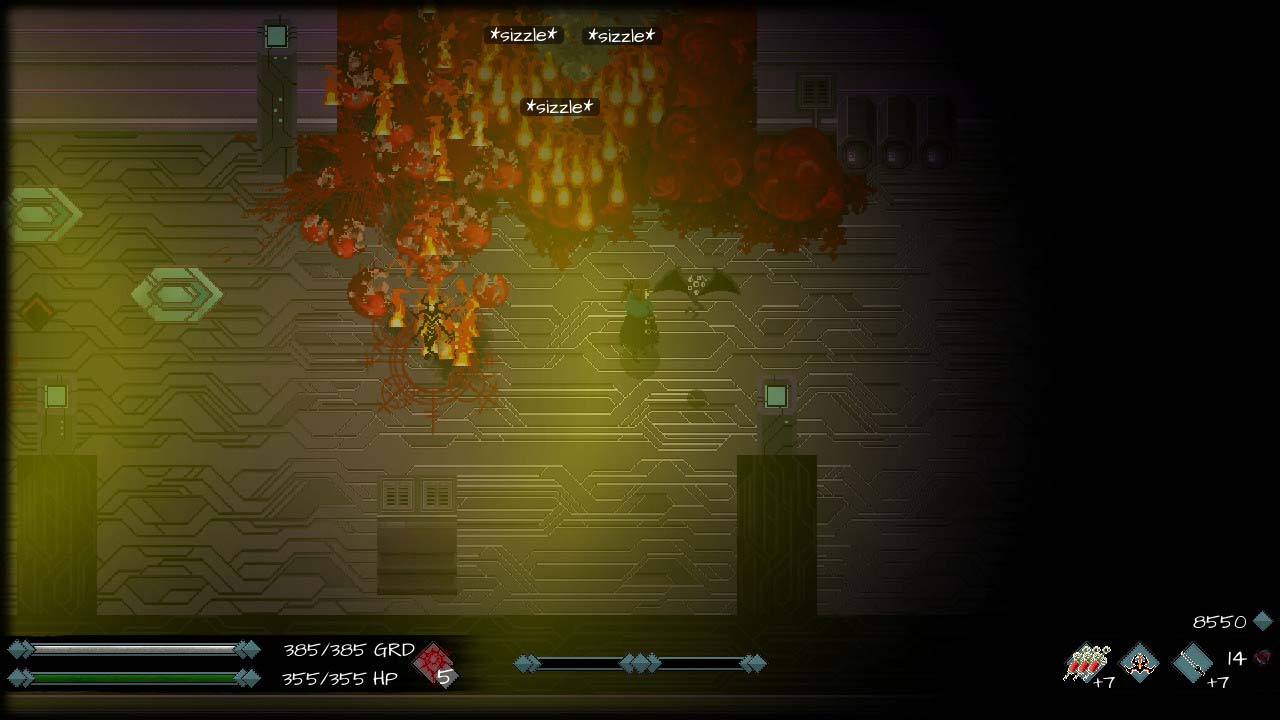
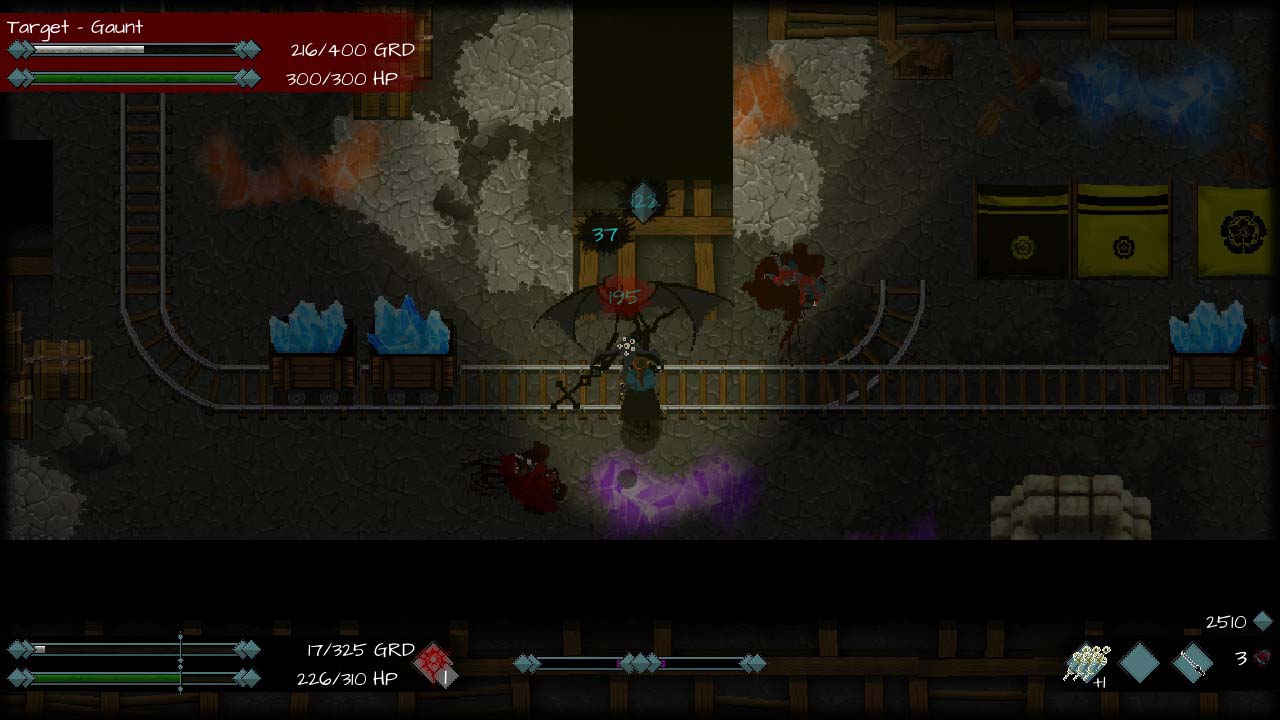
    Moonless Knight employs a Guard bar, which is a combination of a stamina bar and a shield. All of your actions drain some of the Guard bar, whether that’s swinging a sword, blocking, or dashing. At the same time, the bar protects you from damage and once it’s empty you start taking damage to your health. Each fight is a taught affair of managing this bar while paying attention to the enemy tells to determine whether or not they’re going to block or attack.

    Damaging an enemy means having to chew through their Guard bar before you can rain hell down on their health. While the bar recharges on its own, blocking at the right time will recharge the bar while pulling the same amount out of your opponent’s bar. The Guard bar is also tied to your health: the lower your health, the lower the Guard bar.

    The best part about this system is that the enemies, even bosses, are governed by it as well. So, while bosses may have inflated health and guard bars, and you have to learn their attack patterns along with which relic is best for the encounter, the combat system and encounters never feel cheap. Ultimately it comes down to you increasing your strength while reading every encounter carefully because, even as you level up, a string of poor moves can punish you all the same. And if you read the room right, you can walk through it without a scratch.

    While I liked Moonless Knight‘s pixel-art visuals, especially the death animations as enemies are cleaved in twain amidst gushes of blood, it does bring me to one of my few issues with the game. And that is that in certain maps, specifically the Imperial Palace, I found it hard to tell the difference between walls, support pillars, and the floor. This is down to everything been constructed from wood and there was more than one moment where I had to stop and wonder whether or not that was a wall or floor before me.

    My other issue is the room design becomes more and more labyrinthine the further you delve beneath the Imperial Palace. It’s fun enough for exploration, but once you have to start running through the same area multiple times, especially if you want to get somewhere quickly, navigating it becomes a repetitive chore.

    That said, Skautfold: Moonless Knight is a wonderfully fun delve into an alternate, Cthulhu Mythos-infected world that builds upon its earlier instalments. The dungeon-delving nature of the game may get repetitive at times, but it’s made up for with a great story and some truly fun and infectious combat mechanics.

    Pros:

    • Good Cthulhu Mythos inspired story
    • Fun, gripping combat mechanics
    • Levelling up abilities through use is always a great mechanic

    Cons:

    • Some tile-sets make it difficult to discern walls from floors
    • The maze-like aspect of later areas gets tiring to navigate

    Score: 7/10

    Skautfold: Moonless Knight was reviewed on Nintendo Switch using a code provided by the publisher. It is also available on PC, PS5, and Xbox Series S|X.

  • Review: City Hunter (Nintendo Switch)

    Review: City Hunter (Nintendo Switch)

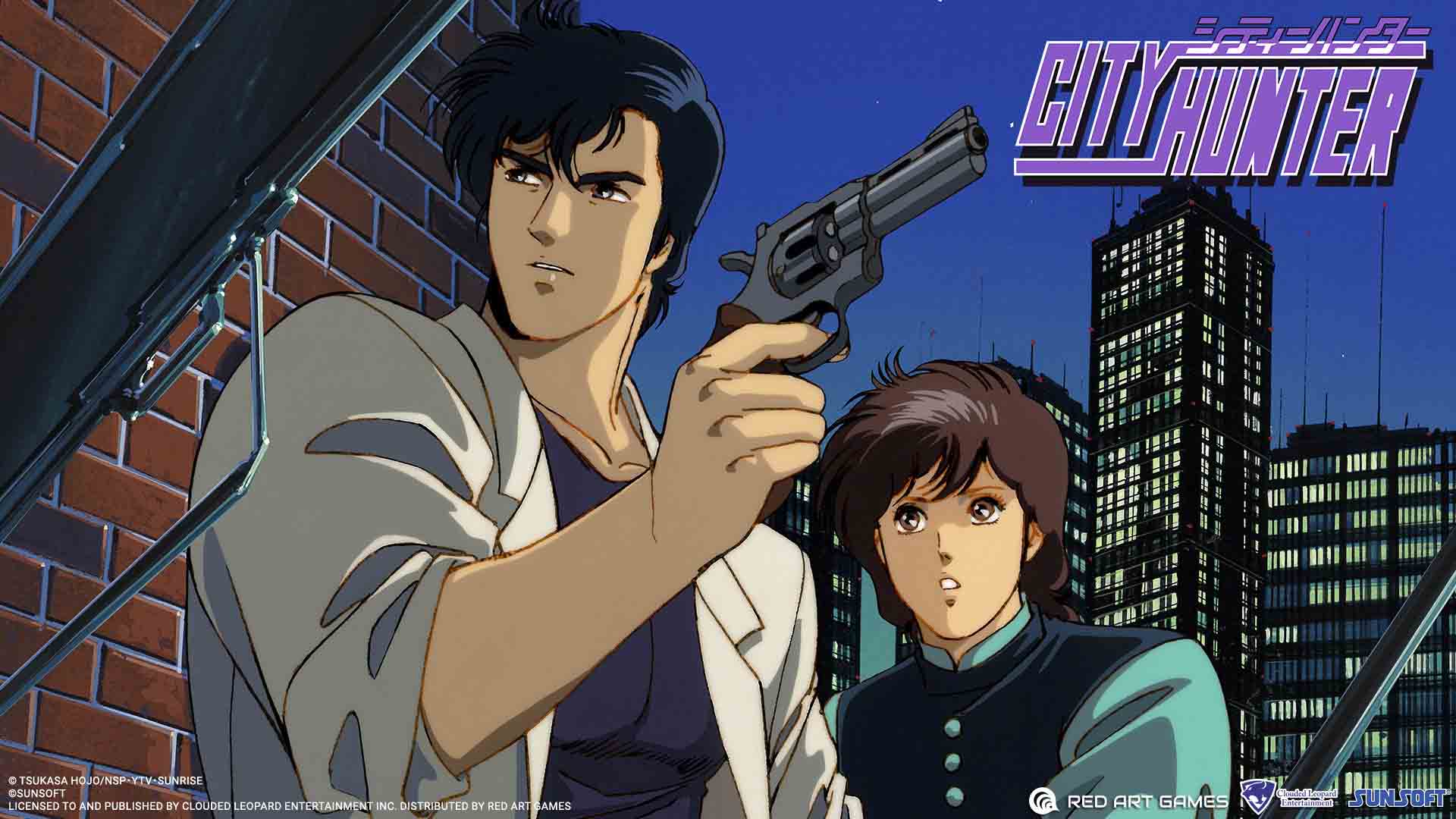
    My introduction to Ryo Saeba’s adventures came not through Tsukasa Hojo’s original City Hunter manga or the anime series or even the movies, but rather through the 1993 Jackie Chan City Hunter live-action adaptation. A movie a I absolutely adore. So much so that it’s my second favourite Jackie Chan movie. It was that adaptation that got me to delve deeper into the previous adventures of the lecherous private investigator and his underground City Hunter business.

    Now, after thirty-five years, the only official licensed game of the classic manga – not counting Ryo’s appearance in other crossover games – has been brought back to modern consoles and PCs with a somewhat slightly remastered version courtesy of Red Art Games and the original developers SUNSOFT. This also marks the games official debut outside of Japan.

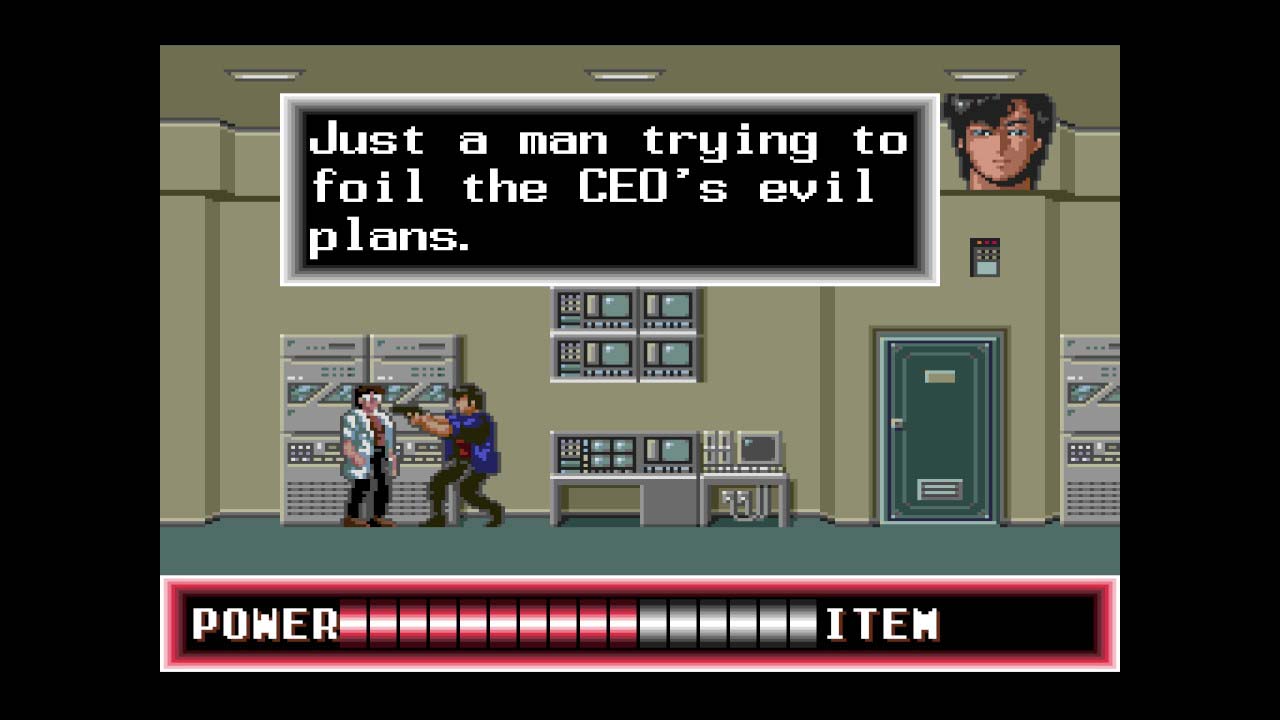
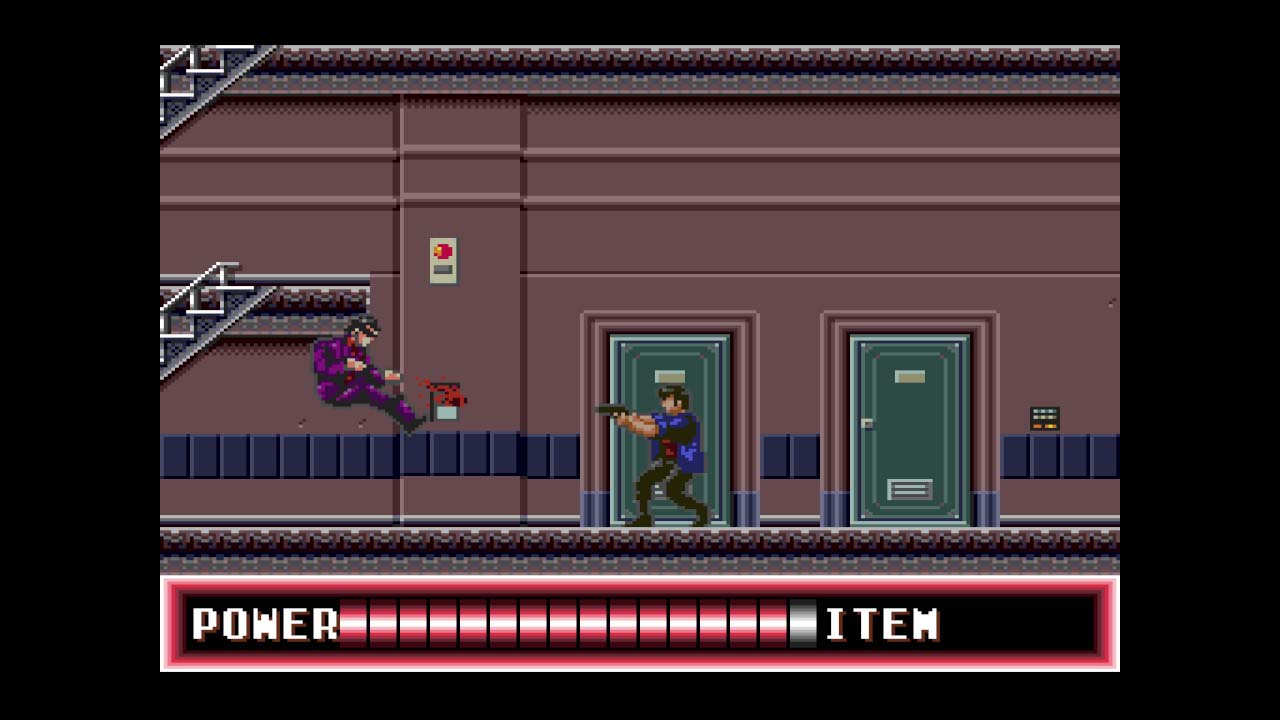
    Originally released in 1990 for the PC Engine – or the TurboGrafx-16 in the US – City Hunter is a mostly traditional side-scrolling action game. It’s highly reminiscent of Taito’s Elevator Action, Ocean Software and Eurocom’s Lethal Weapon, and just about any other retro side-scroller. You run to the left and right of the screen, shooting endless enemy spawns as they come towards you from off-screen while trying to complete your objectives.

    Across the three missions the game has for you, you’ll find yourself running and gunning through office hallways, warehouses, labs, and industrial areas. Each of the levels are full of doors leading to other areas or to empty rooms and there’s a lot of back and forth between sections. To the developer’s credit, they’ve tried to add some depth to the game by implementing NPC’s that either update your objectives, heal you, or give you a new weapon. This does change the missions into a bit of a run around as you hunt down someone or something to get that next keycard but that does very little to mix up the base gameplay of shooting the ever-loving snot out of anything that happens to wander on-screen.

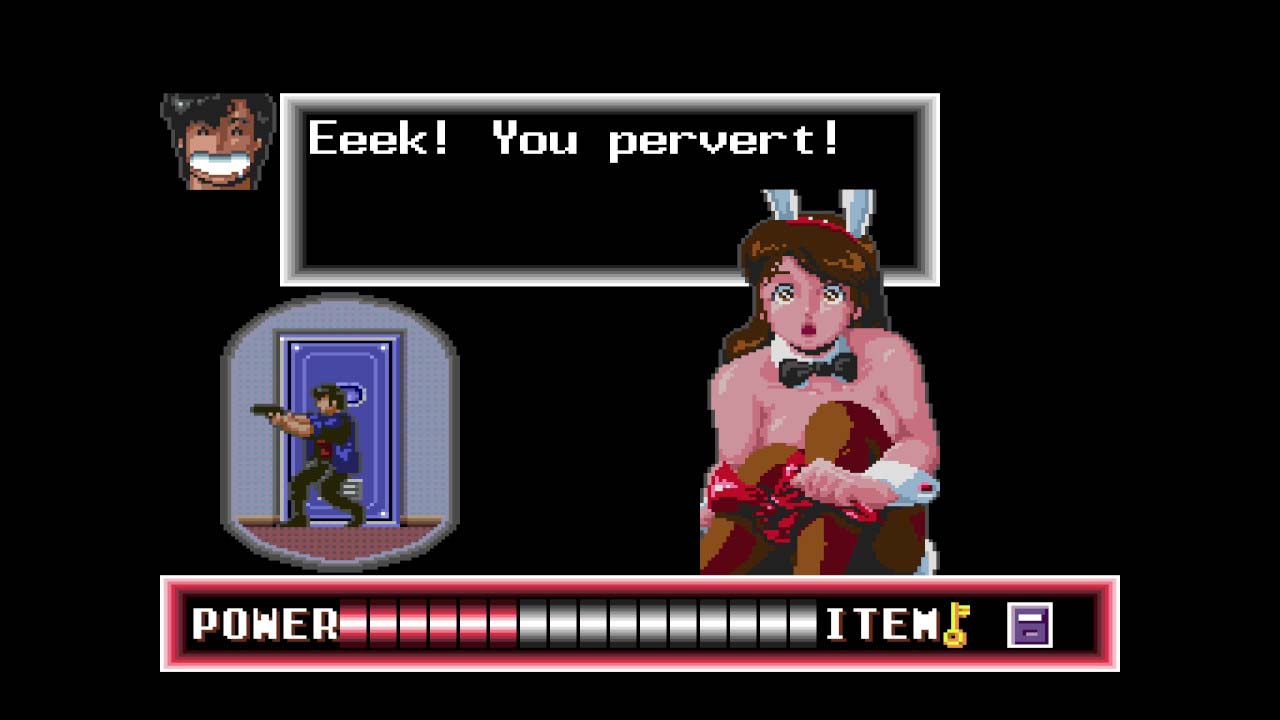
    Like most retro games, City Hunter is very much a product of its time. And of licensed titles of the time as well. Which is to say that while the action is fun enough for the short time it will take you to blast through this – in a perfunctory sort of way – there just isn’t enough done with the City Hunter license to make it stand out from the rest of the crowd. Sure, Ryo can get health back in the presence of a scantily clad woman, and the anime’s iconic closing theme is here for the opening, but the bulk of what makes City Hunter City Hunter simply isn’t here – specifically the jokes.

    This version of City Hunter is less of a remake or remaster as much as it is a straight-forward port of a thirty-five-year-old game. Which is nothing to be disappointed with where preservation and saving obscure retro titles is concerned, but it could have done with much more love than what few features have been added that are now standard for retro title remasters. It also comes with all of the original’s problems too. From flickering sprites to unfair enemy spawns that always result in cheap hits (specifically when you’re exiting a room), to lacklustre background art design that makes each mission look identical, this really is the same game it’s always been.

    What’s new to this revival version spans the gamut of what is now mandatory for the preservation of old games.

    Visually, the game supports CRT filters and multiple aspect ratios, specifically 4/3, widescreen, pixel perfect, and native resolution. The visuals themselves look exactly the same as the original games, featuring some nice 2D animations – though they might be a tad cleaner than the original release.

    There are three flavours of gameplay: original, enhanced, and hard. Original speaks for itself and it’s the game as it was back in 1990. The Enhanced version is meant to have refined enemy behaviour, more responsive controls, and improved gameplay but for the life of me, I couldn’t pick up any major differences between this mode and the original. Hard is, as it implies, stronger enemies and a higher difficulty which should suite those wanting get every ounce they can out of the game when tackling a new scenario.

    As is now super popular across retro game compilations, there’s a nifty Rewind feature that let’s you undo your mistakes. Sadly, it doesn’t do anything to nullify those cheap hits from enemies that spawn right outside a door that you’re exiting. You can also save and load your progress at anytime which is really great when you need a breather and is vastly superior to the original password continue system.

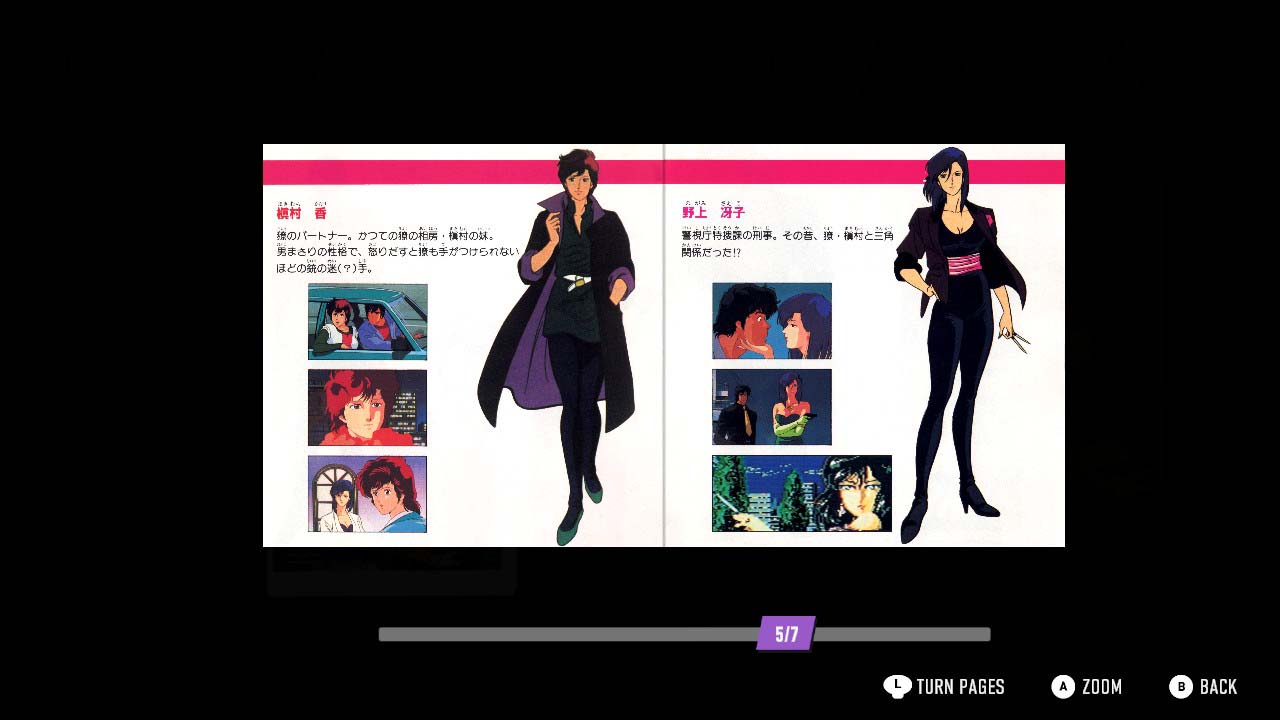
    Finally, there’s my favourite feature of any retro title: the Gallery. While not as robust as I would have liked, City Hunter’s Gallery lets you take a look at key artwork, anime stills, the original games CD Box and inlays and, finally, listen to all of the music.

    When compared to a lot of the recent retro collections, City Hunter is a little on the anemic side. It’s not the longest retro title and hasn’t aged all that well in the gameplay department, but that doesn’t mean it isn’t an appreciated effort in making sure that another relatively obscure game doesn’t disappear into the annals of gaming history. As such, it’s a game that hardcore retro collectors and fans of the original game, manga, or anime will get the most out of.

    Pros:

    • City Hunter finally receives a worldwide release
    • The crisp animations still hold up
    • The anime’s closing musical track is included

    Cons:

    • A slightly barebones retro release
    • Repetitive stage design
    • Design bugs lead to cheap hits

    Score: 6/10

    City Hunter was reviewed on Nintendo Switch 1/2 using a code provided by the publisher. It is also available on PS5 and PC.

  • Review: The Prisoning: Fletcher’s Quest (Nintendo Switch)

    Review: The Prisoning: Fletcher’s Quest (Nintendo Switch)

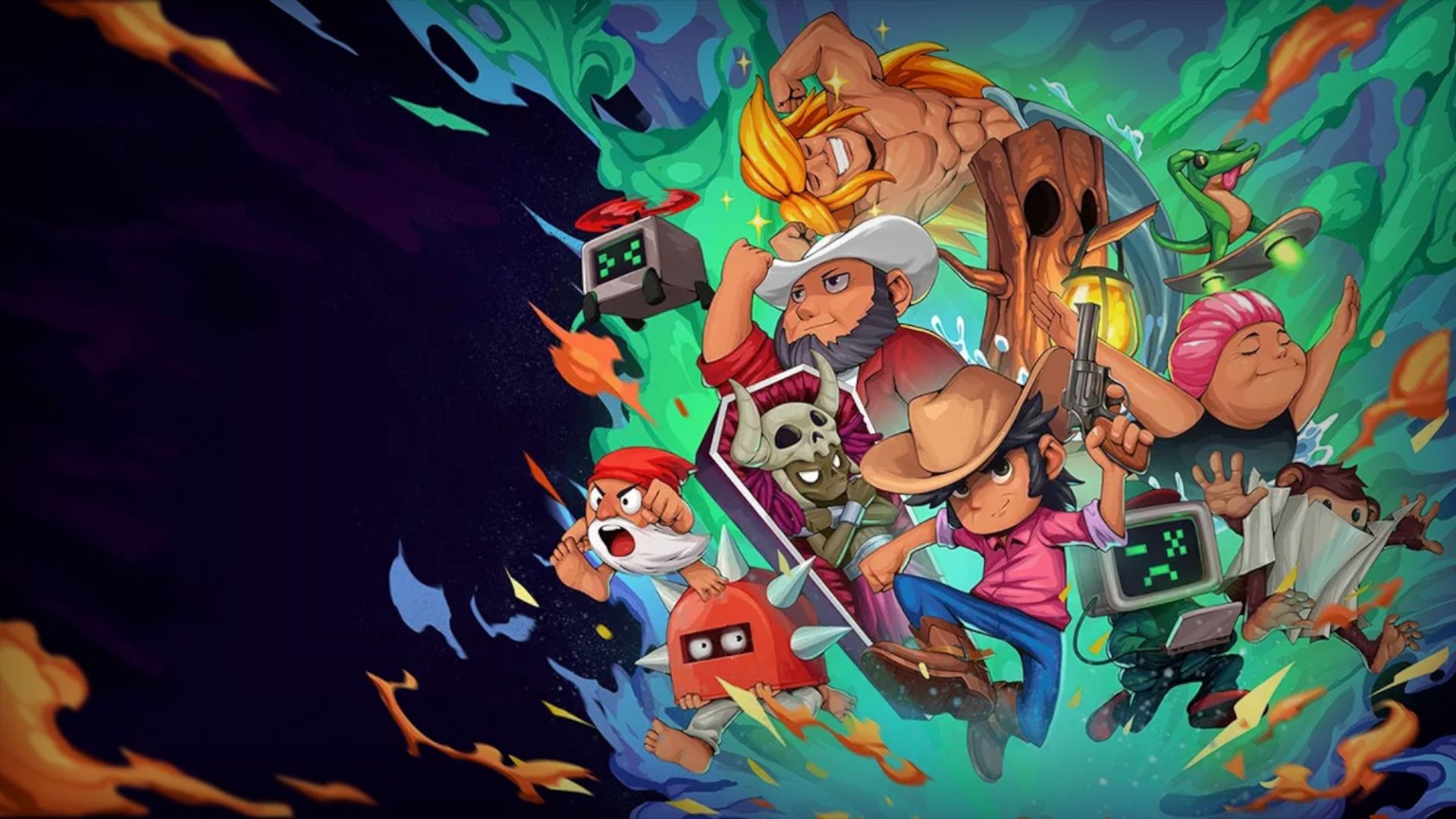
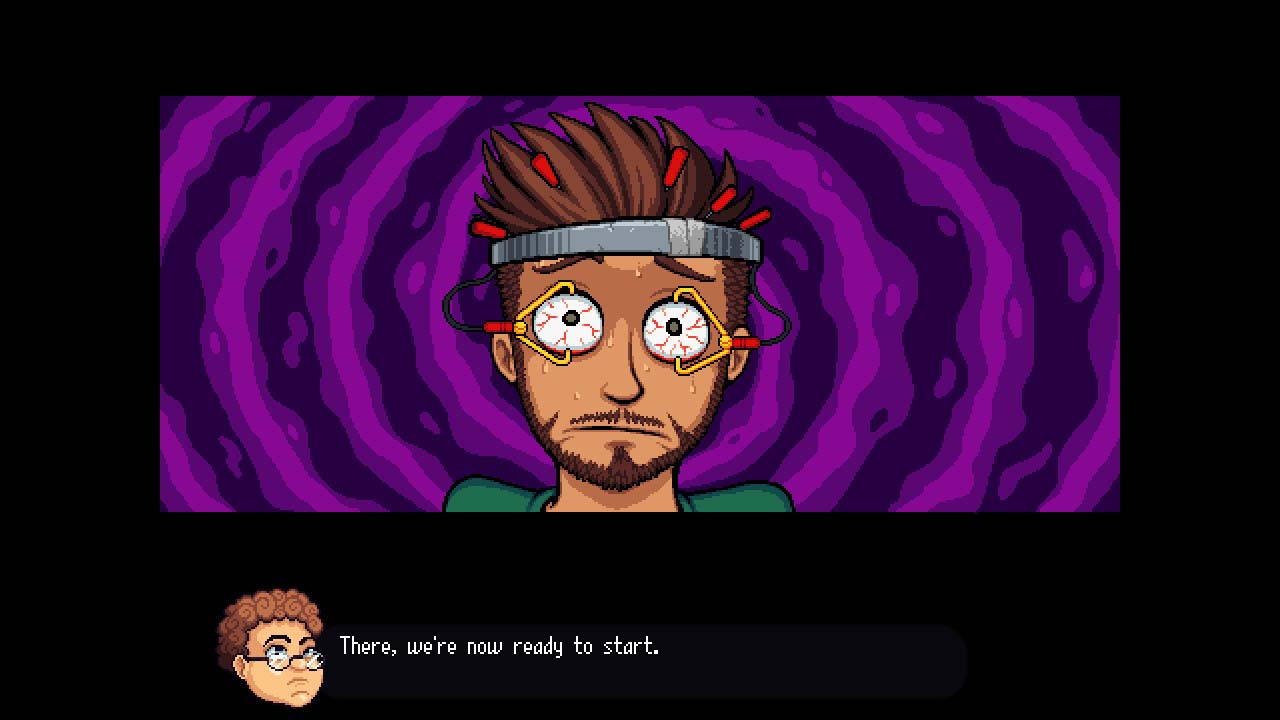
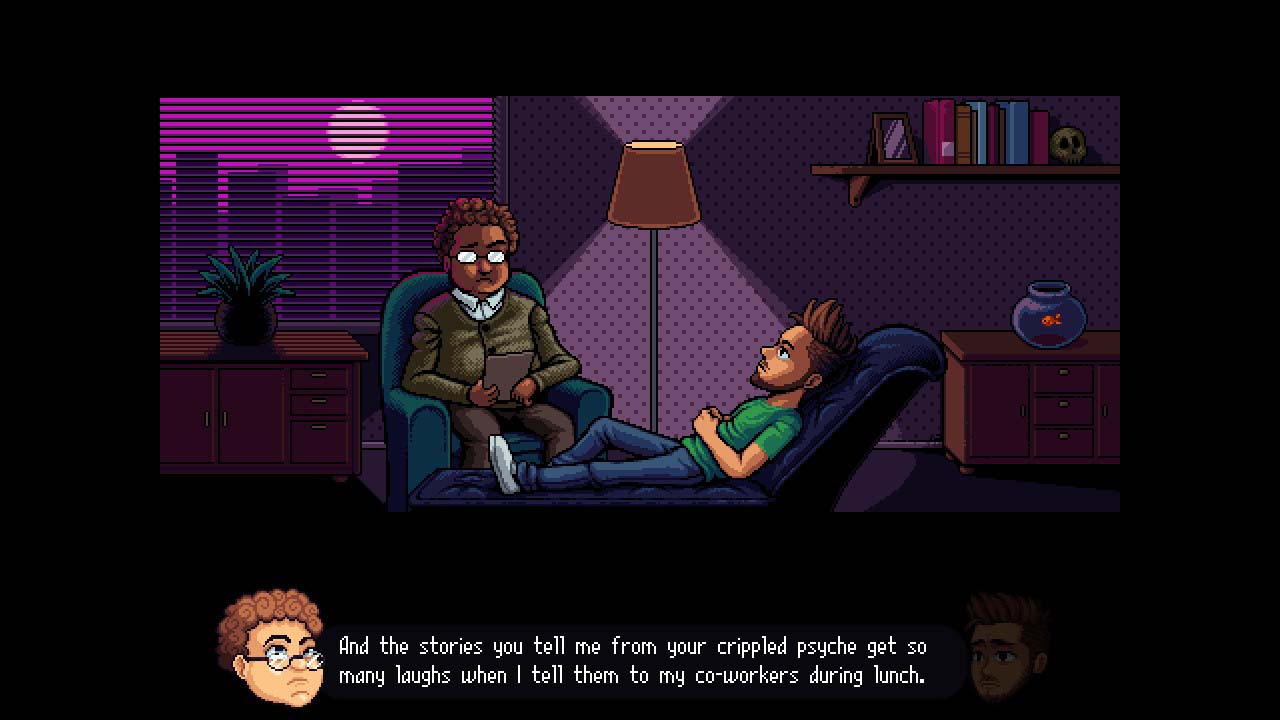
    The mind, as they say, is a terrible thing to waste. Even more so if you’re the creative type. And that’s the problem facing Fletcher, a burned-out game developer who needs to reignite that creative spark. When a hypnotherapy session goes wrong, Fletcher’s world goes full meta as he finds himself trapped within the labyrinth of his own mind and his current creation. The only way out is to spelunk through the job that has bled into his subconscious and defeat the demons within holding him prisoner.

    As such, Fletcher’s quest puts you in the shoes of a game developer who has to reckon with his own profession by living through what he’s designed. And in this case, it’s a 2D platforming title with vague hints of Metroidvania-ness at its core. As is developer Elden Pixels go-to through the course of their career, The Prisoning: Fletcher’s Quest is a retro-inspired platformer that could have easily stepped out of the past with its, initially, challenging design.

    Fletcher’s story is full of bizarre, fourth-wall breaking humour that intends to poke fun at the game design process. Quirks, bugs, poor design, it’s all fodder for the developers to use to elicit a smile through this surreal adventure. Not all of the humour lands, but when it does, it’s a nice slice of grin-worthy meta-commentary. But the humour is even better when those poor design choices are thrown at you as obstacles to be overcome. Be warned though, there’s some serious adult language and jokes on display here, from pixellated nudity to Samuel L. Jackson level of profanity bombs. If you’re thinking of handing this one over to the kids, you may want to reign that horse in for a bit.

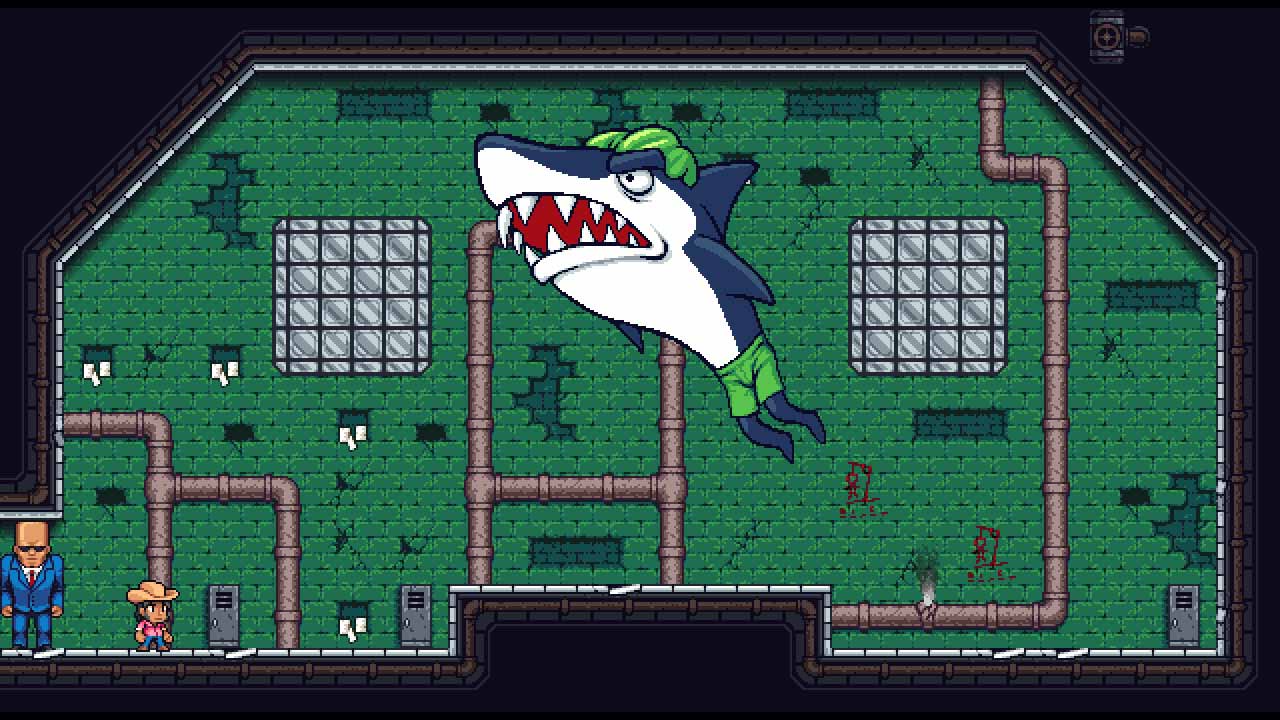
    Visually, The Prisoning: Fletcher’s Quest is a bright and almost cheerfully colourful game, despite the adult subject matter. The game uses a lovely looking pixel art style that is both charming and wonderfully animated from the characters to the backgrounds. Between the character and enemy designs and the stage design, it very much resembles bright, colourful, children’s cartoons from the days of yore. There are wonderful little details scattered across the place, from the squinty eyes that peak out of boxes until you get close to them, to the lovely boss designs such as a giant surfboarding shark with colour changing trunks.

    The games audio is no slouch either. Sound effects are great, but it’s the games soundtrack that comes in kicking with a pop cowboy/Western themed tune that will worm its way into your ear long after you’ve stopped playing. The boss music is really great though and represent the best tunes in the game.

    The gameplay is where The Prisoning: Fletcher’s Quest will, most likely, polarise many gamers. It is, initially, quite tough and a bit on the unbalanced side.

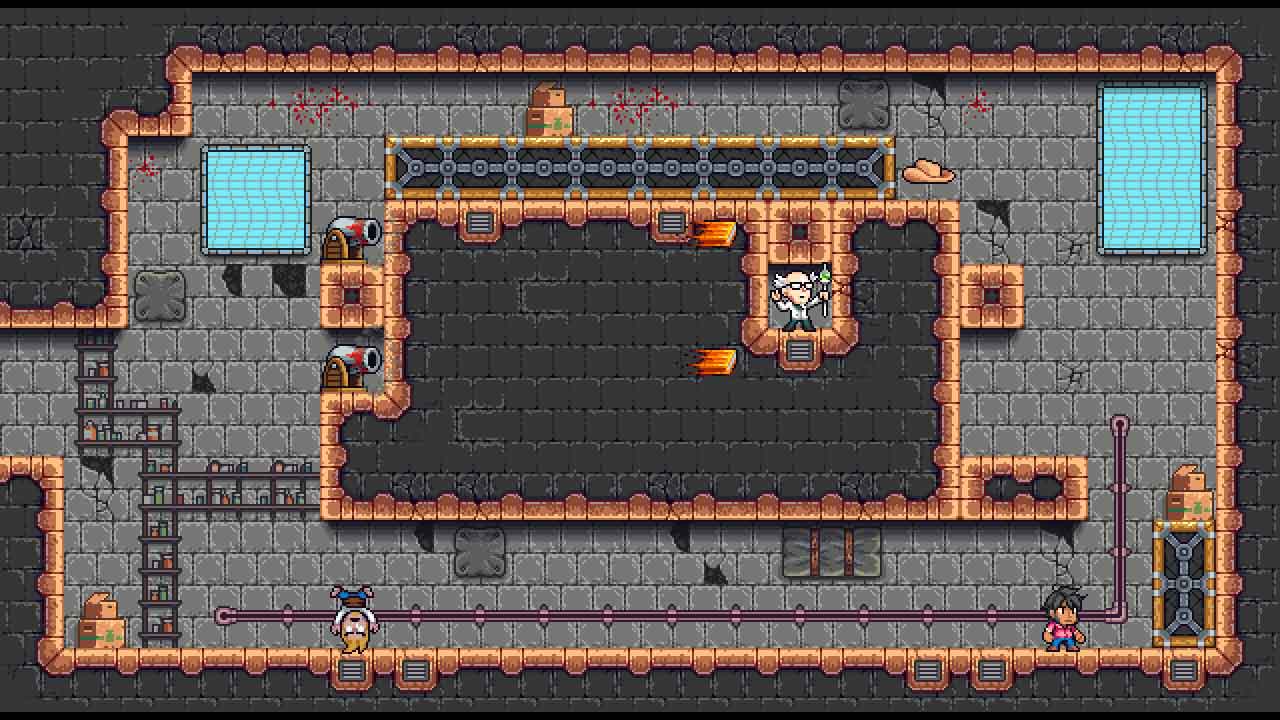
    Progression through the game uses some Metroidvania design, with a world map and layout that’s evocative of so many games in the genre and areas blocked off until you gain new abilities by beating a boss. But that’s as far as the Metroidvania impact goes as the game is broken up into small, self-contained challenge rooms that are a mixture of platforming, combat and timing to get through. Each room is like a little mini-puzzle in survival that requires fast reflexes along with the patience required to work out the patterns in enemy movement and attacks while making sure you don’t get skewered by the many sharp environmental objects, like tacks, that are littering the world.

    Adding onto the game’s difficulty is the use of light procedural generation. Now while the overall map shape remains the same and certain specific rooms and gauntlets remain in place, the bulk of the room layouts will differ both between new runs and, even, reloads. While procedural generation is supposed to give you the feel of a new run each time, it’s not long before you’ll see rooms repeating, even if they’re not in the same place you originally encountered them.

    It’s that procedural generation though that really throws the games difficulty all over the place. The randomisation means that you’re just as likely to run through one, long series of frustrating rooms to reach the next save point as much as a whole bunch of easy ones. Worse yet, are the areas where you’re hitting a weird combination of hard and easy rooms that completely destroys any sense of finely-tuned difficulty progression. Stepping out from a save room could land you in a really hard room, followed up by two easy rooms and then three hard or so. I’m sure you get the point by now. Now while this keeps you on your toes, and you have to be because you can only take two hits before dying, it does the game no favours early on and set me up with a sense of increasing frustration by the time I hit the first boss.

    Here’s the thing though. There’s a point, right after that first boss actually, that The Prisoning: Fletcher’s Quest just clicked for me. Perhaps it was earning the double jump which made navigating the rooms faster and with a little more finesse that did it. Or getting a second bullet so you could fire two shots at once instead of just one and waiting till you’re bullet either hit something or disappeared off-screen before you could fire another. Either way, this is when the game really came alive for me and, dare I say it, became a whole lot more fun.

    Sure, the procedural generation and its difficulty skewing dynamic sticks around. And yeah, the multi-phase boss fights can be a bit much, but somehow, this is when it just starts feeling right. There’s a sense of finding your groove once you understand the mechanics at play that makes even the umpteenth death just another learning experience. And believe me, I died quite a bit.

    If it’s all still a bit much, there is an assist mode available. There’s no description in-game on what this does, but it appears to me that with it enabled, when you die, instead of respawning at the last save point, you respawn at the entrance of the room you died in. Super useful for sure, even though save rooms are liberally placed across the map and you can warp from one save room to another. This just streamlines moving forward and not having to hassle with reaching where you died when the last place you saved at was five rooms ago.

    If you can overlook the procedural generation and its issues and get on board with a truly ancient slice of game design, The Prisoning: Fletcher’s Quest is a lovely looking and fun old-school, arcade platformer with a humourous narrative that just needed a little bit more fine-tuning to reach greatness.

    Pros:

    • Nice, colourful pixel art style
    • Good soundtrack
    • Fun gameplay once you get used to the mechanics
    • Memorable bosses

    Cons:

    • Procedural generation messes with the difficulty curve
    • Very frustrating initially

    Score: 7/10

    The Prisoning: Fletcher’s Quest was reviewed on Nintendo Switch 1/2 using a code provided by the publisher. It is also available on PC.
  • Review: The System Shock remake on Nintendo Switch 2 is an (almost) perfect way to explore Citadel Station on the go

    Review: The System Shock remake on Nintendo Switch 2 is an (almost) perfect way to explore Citadel Station on the go

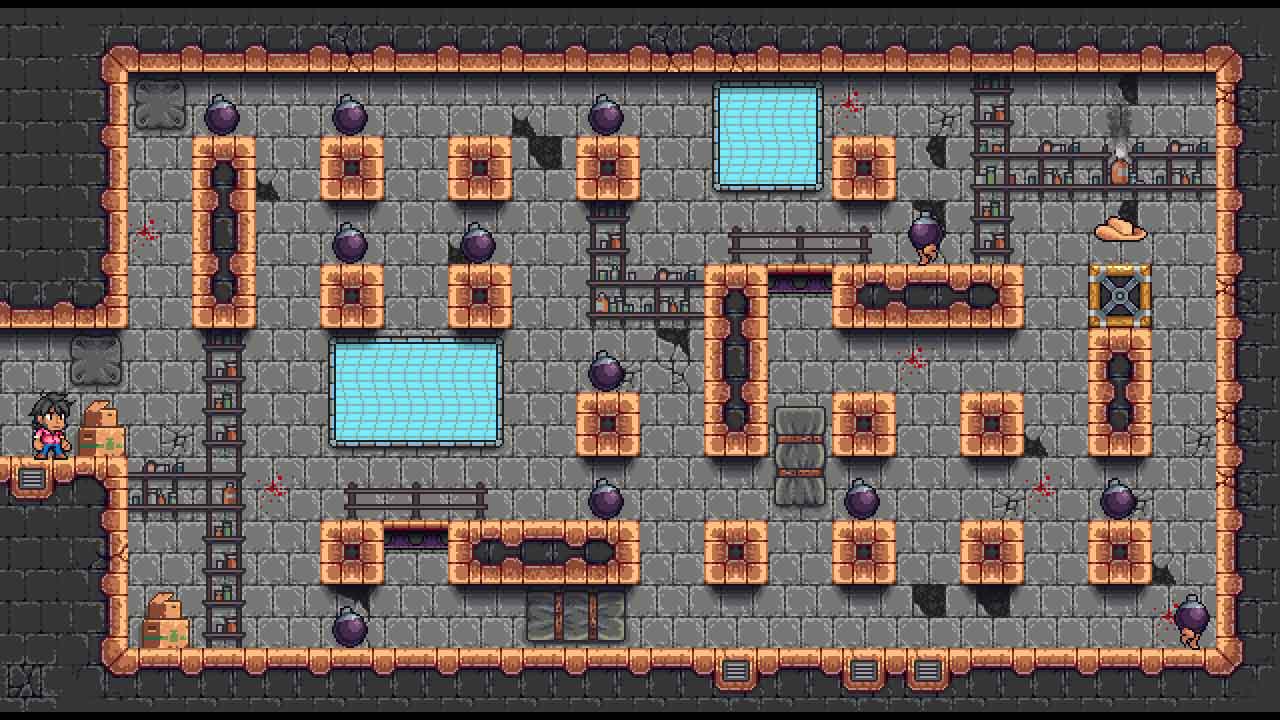
    For those thinking of picking up System Shock for the first time on Nintendo Switch 2, Nightdive Studios’ 2023 remake transforms an iconic but dated immersive sim into a first-person survival/shooter hybrid that doesn’t feel out of place alongside modern games. What started as an unwieldy point-and-click/FPS hybrid now plays as a more traditional FPS and it works well enough with a controller. Given combat is so prevalent the change makes sense, and the shooting feels solid; however, navigating menus, inventory management, and interacting with switches or items in the environment can be finicky.
    It is for this reason I would discourage anyone playing System Shock (2023) using a standard pair of Joy-Cons. Unless you’re a natural with gyro aiming, they feel far too imprecise in a game that offers no auto-aim assist that I can discern. That lack of precision can still frustrate when using a Pro controller, but the game plays smoothly enough (after patches) so that precision aiming and picking up objects in the environment is manageable. If you are stuck with a pair of Joy-Con 2s, you could try using one as a mouse on a lapboard or something serving the same purpose – though I could not find a sensitivity setting that ever felt as good as a proper PC mouse.  

    I’m highlighting this caveat early as System Shock (2023) has survival elements with resource and inventory management. Precision aiming is essential for conserving limited ammunition and minimising the damage you take. It’s only during cyberspace sequences and the end-game – when you have your hands on powerful weapons, weapon mods, and upgraded player augmentations – that System Shock (2023) can be played as a run-and-gun FPS with less concern for accuracy.

    With a Pro controller and the Nintendo Switch 2 docked or propped up in tabletop mode, System Shock (2023) becomes every bit as compelling and immersive as on the other platforms – especially when you combine the stylised visuals with campy voice acting, creepy ambient audio, and an incredible synth-heavy soundtrack. It targets a high resolution with all visual features intact, and it sustains 60fps enough of the time that I rarely noticed any impact on responsiveness. It’s not perfect, however, and given the extensive post-processing effects and pixelation filter on objects near to the player, Nightdive Studios could drop the resolution further to focus on stable performance.

    Considering just the game and not the hardware you play it on, System Shock (2023) is essential for those who enjoy more action-oriented immersive sims like Eidos Montreal’s recent Deus Ex games, or Arkane Studios’ Dishonored series and Prey (2017). It has little interest in providing the typical frictionless, heavily-guide experience of most modern games – even if you set each difficulty sliders to the lowest value. Thorough exploration, reading and listening to notes, and then following clues to key items is a core part of the experience. Even on the lowest mission difficulty, the objective icon only gives you a direction of travel, but getting anywhere in the labyrinthine Citadel Station is still a challenge.

    System Shock (2023) is a game that rewards or punishes player agency as it should. If you explore cautiously, pick off isolated enemies, hack every door panel, hunt for secret stashes, and conserve resources, you’ll rarely be caught off guard; you’ll be able to minimise the effect of environmental hazards; and you’ll always have heavy firepower in reserve to trivialise a boss encounter or ambush. If you ignore your surroundings, charge into groups of enemies, and waste powerful ammunition, you’ll soon hit difficulty spikes that force you back to the last regeneration bay (or you’ll have to remember to make frequent manual saves).

    Despite the focus on player agency and freedom, the System Shock remake is still far more playable than its predecessor and closer in design to its well-regarded and equally influential sequel. There are mid-game requirements that might take you back and forth between levels of the station, but it opens up gradually and escalates smoothly towards the finale. For those who listen to audio logs, read notes, and pay attention to environmental details, it also has a wonderfully fleshed out setting and backstory you can piece together. If an audio log or note hints at an event, you can find evidence of it in the environment. Citadel Station provides a cohesive and believable sense of place despite the sci-fi trappings.

    Wrapping up, I have now explored the remade Citadel Station across four different platforms. After early teething problems that a patch mostly resolved, the Nintendo Switch 2 port is yet another option easy to recommend to fans of the immersive sim genre looking for a portable option (especially important when you consider how few im-sim options there are on Nintendo hardware). The only caveat is that my recommendation only applies if you have a Pro controller, as the standard Joy-Con experience is predictably awful and the Joy-Con 2 mouse option is not as responsive as it should be.

    Pros:

    • Yet another opportunity to play the excellent System Shock remake
    • It’s a rare immersive sim on Nintendo hardware
    • Great visuals, campy voice work, and synth-heavy soundtrack
    • Performance issues mostly resolved with post-launch patches

    Cons:

    • Nintendo Joy-Cons and first-person games are a terrible match
    • Those who need a guided experience beware

    Score: 8/10

    System Shock (2023) was reviewed on Nintendo Switch 2 using a code provided to gameblur by the publisher. It is also available on PC, Xbox One/Series S|X, PS4/5, and Nintendo Switch 1.