Category: Videogame Review

  • Review: Kaku: Ancient Seal (Xbox Series)

    Review: Kaku: Ancient Seal (Xbox Series)

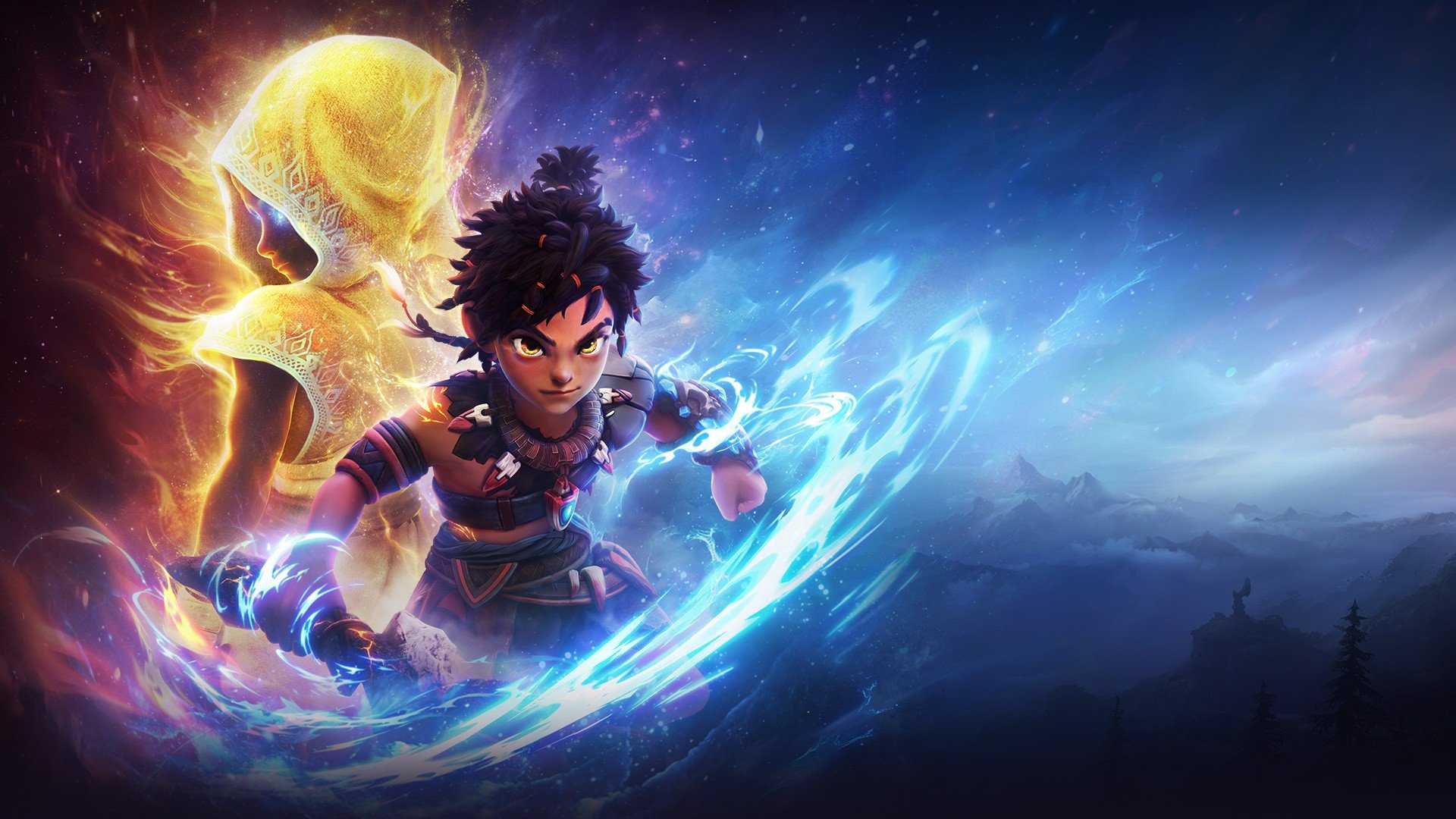
    While Kaku: Ancient Seals bills itself as an open-world, action-adventure RPG, in reality – and spiritually – it feels a lot closer to the PS2- and PS3-era of large zone, action-platformers, like Jak & Daxter and Ratchet & Clank. Just with a sprinkling of modern ARPG mechanics. Make no mistake, that’s no slight against Kaku and developer BINGOBELL’s aspirations, as Kaku certainly goes big in just about every way it possibly can.
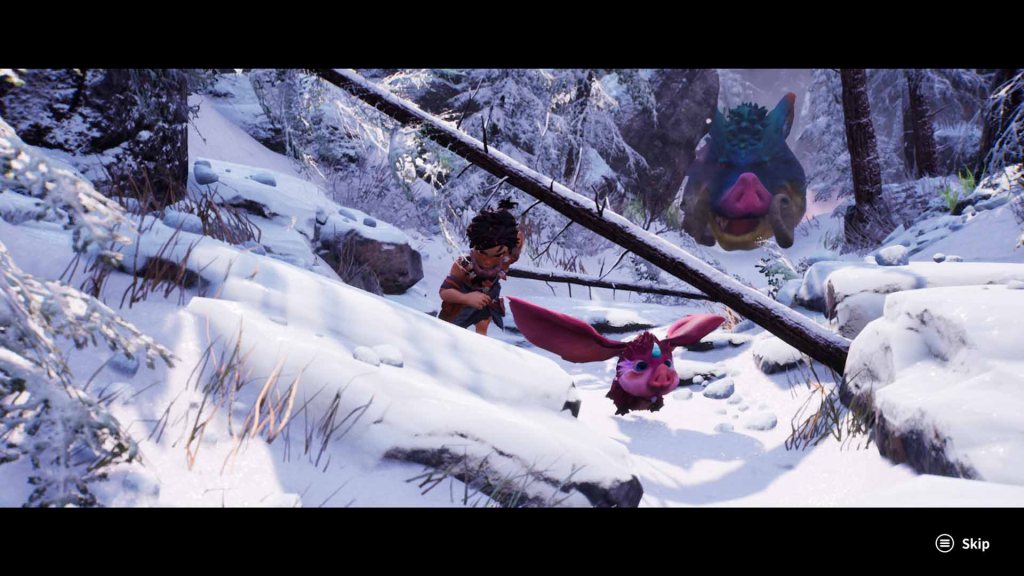
    Set during some primeval era, Kaku throws you into the shoes of young Kaku himself. A quest to capture a flying piggy leads him to a bigger quest to save the world. Kaku is the anointed one and the future of the world – now split into four continents by way of a catastrophe – needs some serious saving. Kaku has to use his newly acquired godly powers and return elemental balance to the world.

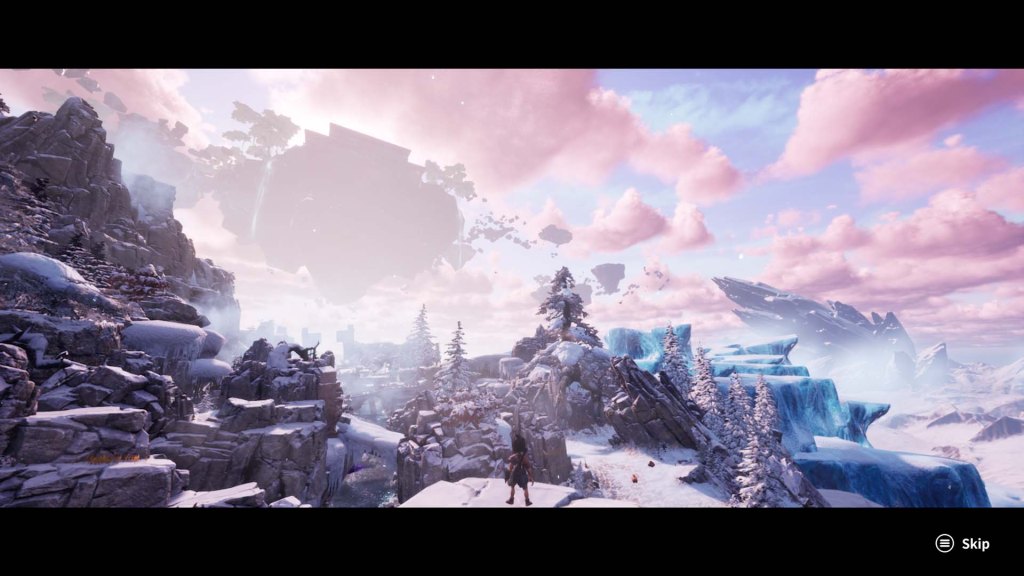
    And Kaku’s quest isn’t just big, it’s massive. Because Kaku’s world is massive. There are four continents for you to run across to set things right in, populated by primeval creatures of all sorts, like savage tribes and elemental Lords that need to be taken down to right the elemental imbalance. All of which is rounded out by side-quests to take on, both brain teasing and environmental puzzles to solve, platforming challenges and puzzles, and lots and lots of combat.

    If that sounds like a lot, that’s because it is. Like many open-world games, Kaku perhaps throws a little too much at you to do, a lot of which becomes repetitive by the time you’ve reached the second continent and the play-style and story-flow is established. So while I did eventually wear myself out on finding shrine keys and collecting all the various items you need for upgrades and crafting, the exploration and platforming still managed to keep me hooked. And a lot of that is down to the games world design.

    Each continent is home to a different biome, from wet marshlands to dry-as-bone deserts and freezing glaciers, providing a nice variety of gorgeous locales to explore. Because each area is so large, Kaku is dotted with teleportation pillars for you to unlock via a fun puzzle game that has you sliding blocks to certain positions within a set number of moves.

    Although you can approach any continent at any time (even jumping between them during missions), Kaku’s environments are less open-world and more open-zone, as each continent is broken up into different regions and temples that you load into. This is a good idea as it helps to make each area more navigable, while providing greater variation and themes. Invisible walls do, unfortunately, pop up when you reach the edge of the games map, which both looks and feels awkward.

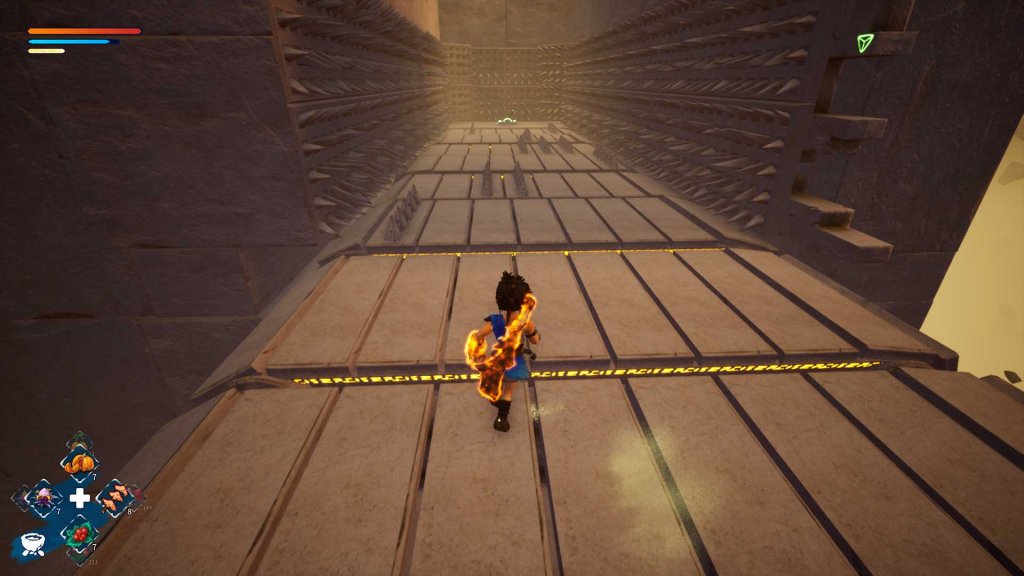
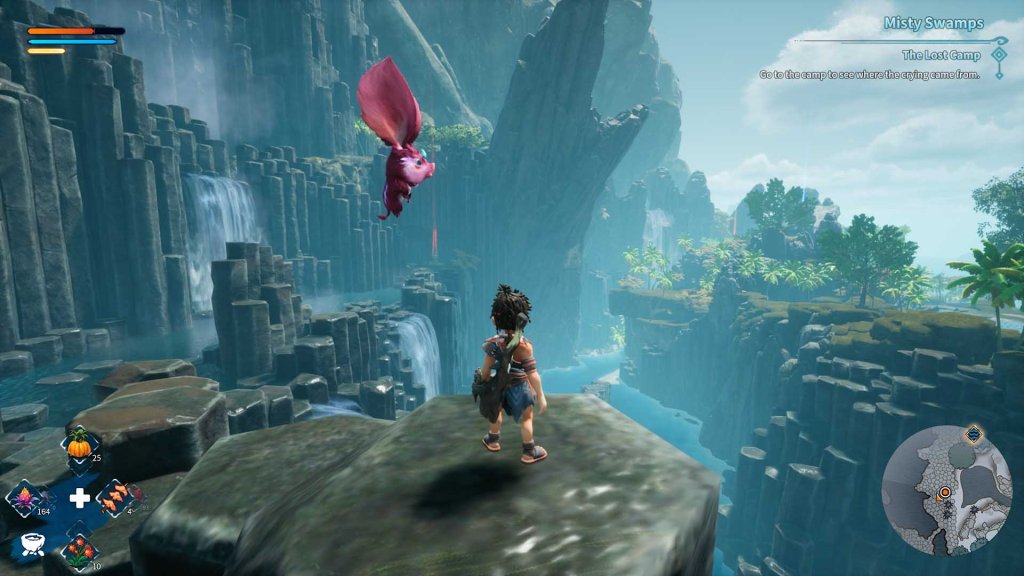
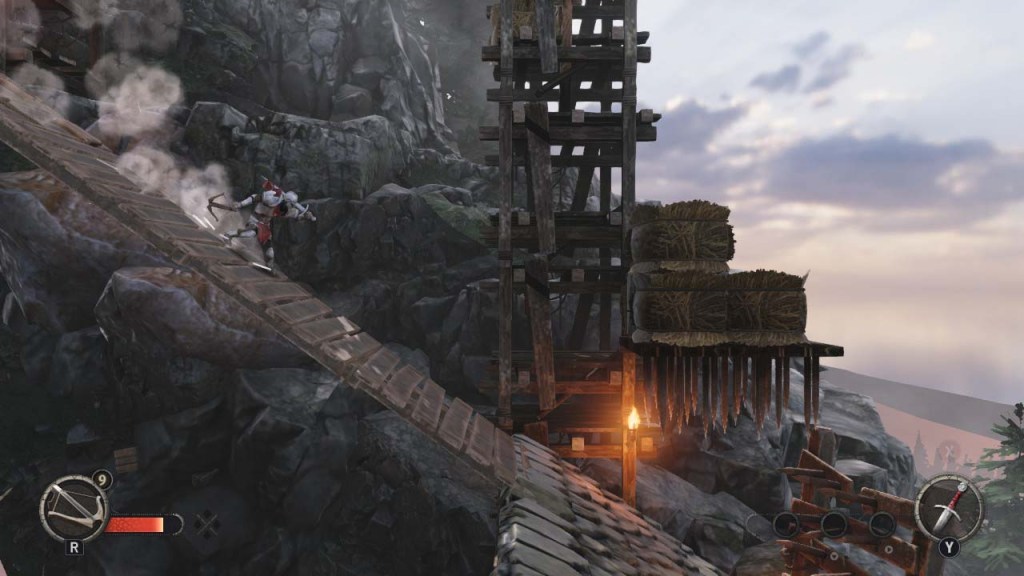
    The platforming, which is one of the games highlights for me, is very traditional, with the ability to double-jump and air dash to navigate the pitfalls around you. We’re talking moving platforms, spiked and fire platforms, and switches you need to hit while riding platforms that are moving or falling apart. In short, it’s fairly traditional stuff for 3D platformers but it is done well.

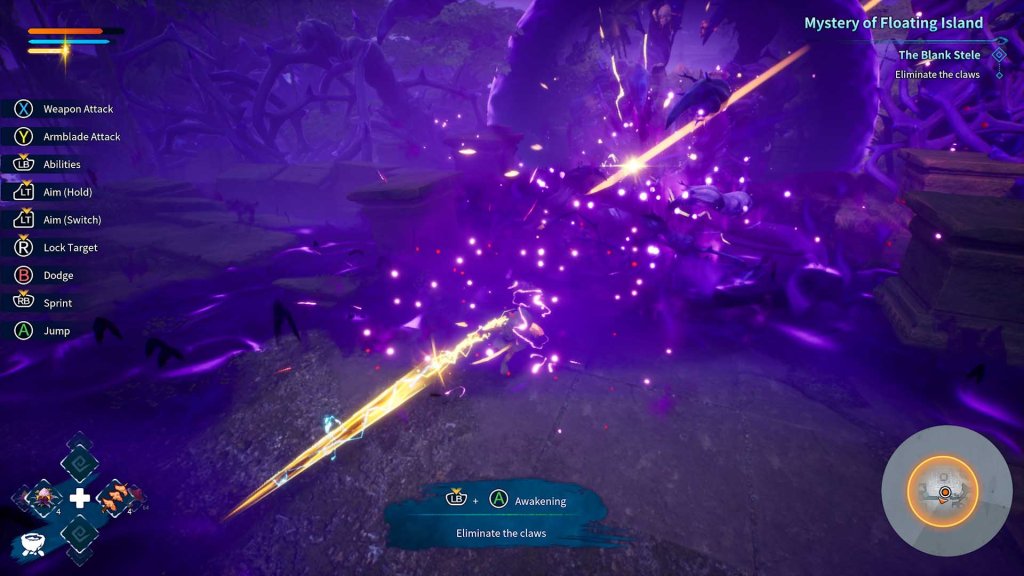
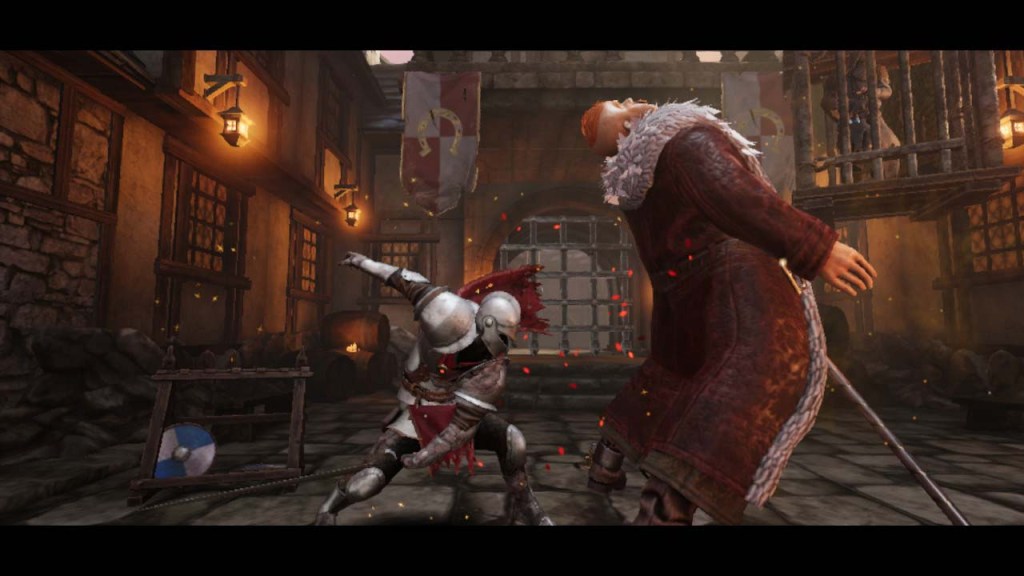
    Combat is where you start to see more modern mechanics with enemies that have massive health and stun bars. Kaku has a light attack, an arm guard attack that damages the stun bar, and a wide range of combat skills to unlock, These range from more melee attacks, ranged attacks, and what is, essentially, a super mode that heals you while giving you access to godly weapons and damage output for short durations.

    The said, combat is easily the weakest aspect for me. The enemies being bullet sponges are just one of the many combat issues that eventually had me kiting enemies from a distance when I could, or just avoiding them completely when I could. A lot of that comes down to Kaku’s combat speed and animations that feel too slow coming out of or transitioning between attacks. When you combine Kaku’s slow move-set with enemy attacks that briefly stun you and many enemy attacks, especially projectiles, that are really fast, all too often you get stuck in stun-lock loops and pummelled in mobs. Enemies also do pretty hefty damage, even when you start to upgrade Kaku’s stats.

    I also found a fair amount of cheap enemy placement in environments that require lots of platforming with deadly drops beneath you. Large enemies on small ledges with little room to manoeuvre is just a giant no.

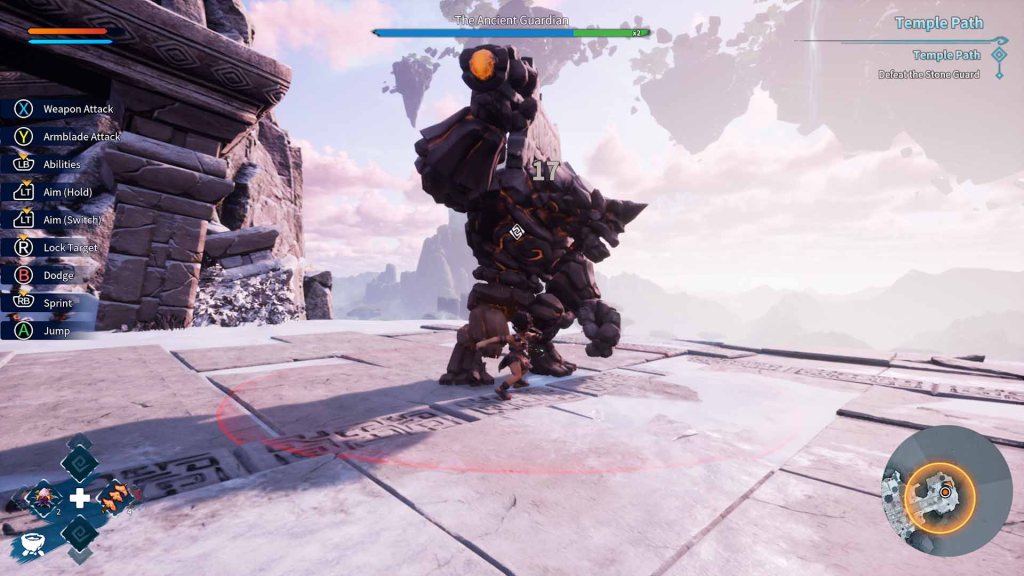
    Boss fights tend to go big with giant enemies that have multiple health bars and attack patterns you need to pay attention to. While they’re generally more fun to engage than common mobs, they’re still plagued by the same combat issues which can be aggravating when you’ve taken a boss down to it’s last health bar, only to be stun-locked and knocked off a platform to your instant death, and have to restart the entire fight.

    One thing you’re going to have to do is upgrade to keep Kaku alive. If you don’t, you’ll quickly watch your health disappear in a flash while dishing out single points of damage to groups of enemies.

    There are a fair amount of crafting materials to gather: from shards that drop from enemies you use to upgrade your base abilities, to various ores and plants for healing and inventory expansion. There’s a very light crafting system for cooking beneficial foods and creating elemental ammo for your slingshot. Armour and weapons can’t be crafted or upgraded; instead, they’re dropped from bosses or picked up from chests and have buffs associated with them The most you can do is socket them with ruins that add incremental perks like ten percent more health.

    What you really want to do is rapidly upgrade Kaku’s inventory limit, how much food he can carry, his health, stamina, attack, and defence – everything really. Attack, defence, and item limits are easily upgraded in a sort of spirit realm, where you channel crafting items into unlocking higher tiers of damage and defence. Kaku’s skill tree has a variety of useful attacks and you can also only upgrade them here (at launch, the skill tree video is bugged though as it plays the same video for each of Kaku’s skills instead of showing the correct one per skill).

    Following in Breath of The Wilds footsteps, there are small puzzle-platforming temples in the spirit realm you need to complete to upgrade health and stamina. These formed some of my favourite moments in Kaku, as they required you to use the bulk of your platforming skills in bite-sized moments that didn’t outstay their welcome.

    That said, upgrading doesn’t make the combat and it’s surprising difficulty, any better but it does make fights shorter. Even when I’d upgraded Kaku’s damage output to its fourth tier, I still preferred to avoid fighting unless I had no other choice.

    Returning to the positives, Kaku is a mostly gorgeous game. While I don’t think the cut-scenes do a great job of showcasing this, the scenery when you’re exploring Kaku’s world are, oftentimes, quite stunning. There’s a wonderfully massive sense of scale captured by the environment design that always made it a  pleasure for me to see what was around the next bend.

    While Kaku has some issues and kid-friendly visuals that belie its high combat difficulty (and the occasional frustrating platforming moment), BINGOBELLS adventure still manages to feel like a fun return to action-platformers of old. If you can overlook the frustrating combat system that could do with some fine-tuning, there’s still plenty of fun to be had in its primeval world.

    Pros:

    • A massive multi-zoned world to explore
    • Beautiful environments that create an epic sense of scale
    • Fun platforming, puzzling, and exploration gameplay

    Cons:

    • The combat feels overly difficult and mechanics need fine-tuning
    • Some poor/cheap enemy placement
    • Repetitive area side-quests and tasks for upgrades

    Score: 7/10

    Kaku: Ancient Seals was reviewed on Xbox Series S|X using a code provided by the publisher. It is also available on PC and PS5/Pro.

  • Review: Atelier Resleriana: The Red Alchemist and The White Guardian (Nintendo Switch)

    Review: Atelier Resleriana: The Red Alchemist and The White Guardian (Nintendo Switch)

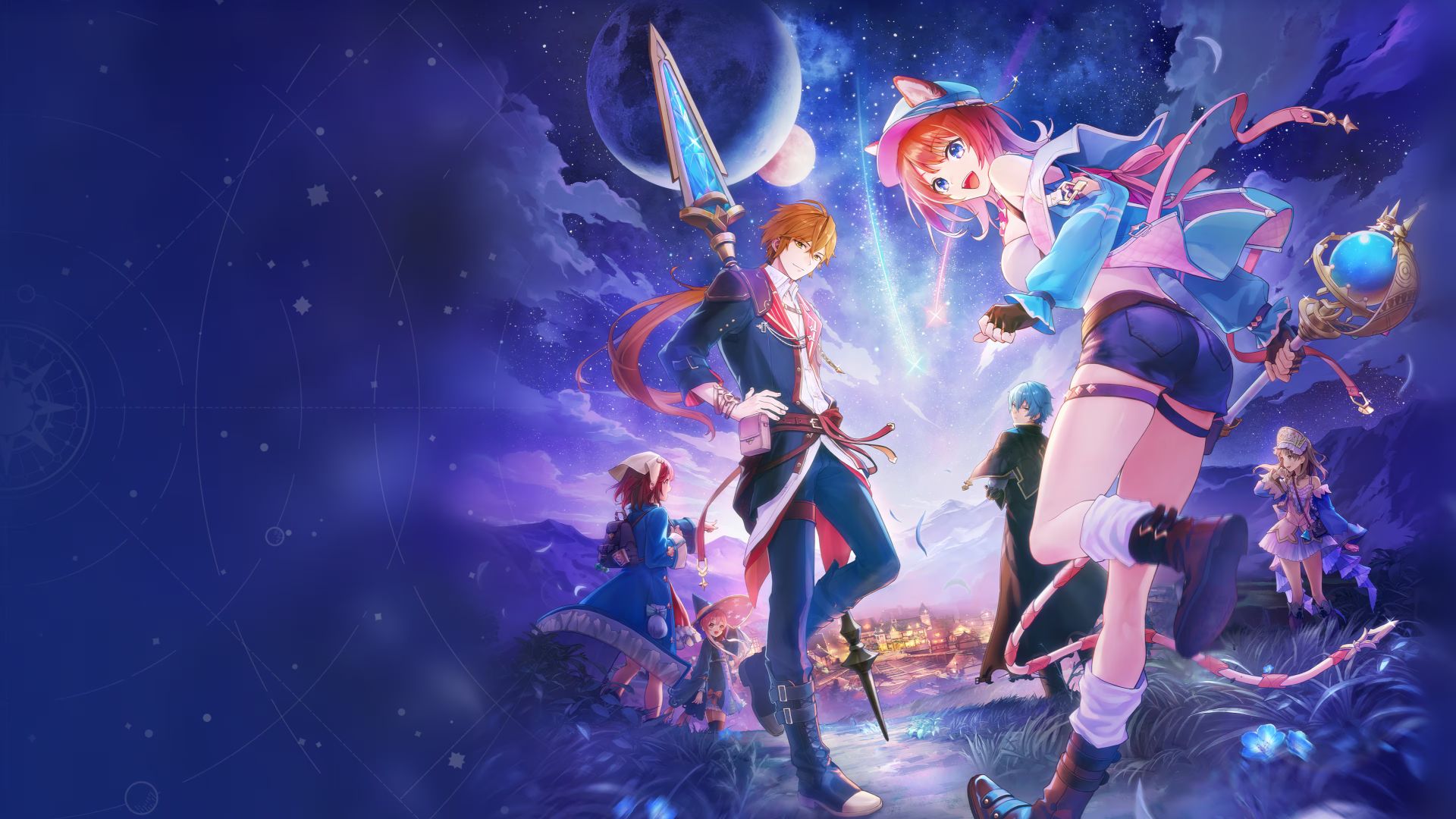
    My journey into Gusts long-running, cozy Atelier RPG’s may have started a little late in the series life but in that time, I’ve come to be enamoured with the games. Each game usually tells a standalone story and falls firmly into the JRPG bracket. However, what set the Atelier series apart for me was its focus on stories that rarely had anything to do with saving the world and instead focused on saving or making your community better. It’s a series that’s about friendship, community, and the journeys you go on together, one in which alchemy makes the journey that much better. And it’s a concept I’ve found to be thoroughly refreshing.

    Later games in the series have delved into larger themes beyond the borders of mere community, with some even changing tone and direction. With twenty-seven titles in the series, some change has to come along somewhere down the line. But it’s always the games based around characters and friendship that bring me back to this enchanting series. And with Atelier Resleriana: The Red Alchemist and The White Guardian, Gust have brought the series back to it’s cozy and uplifting roots.

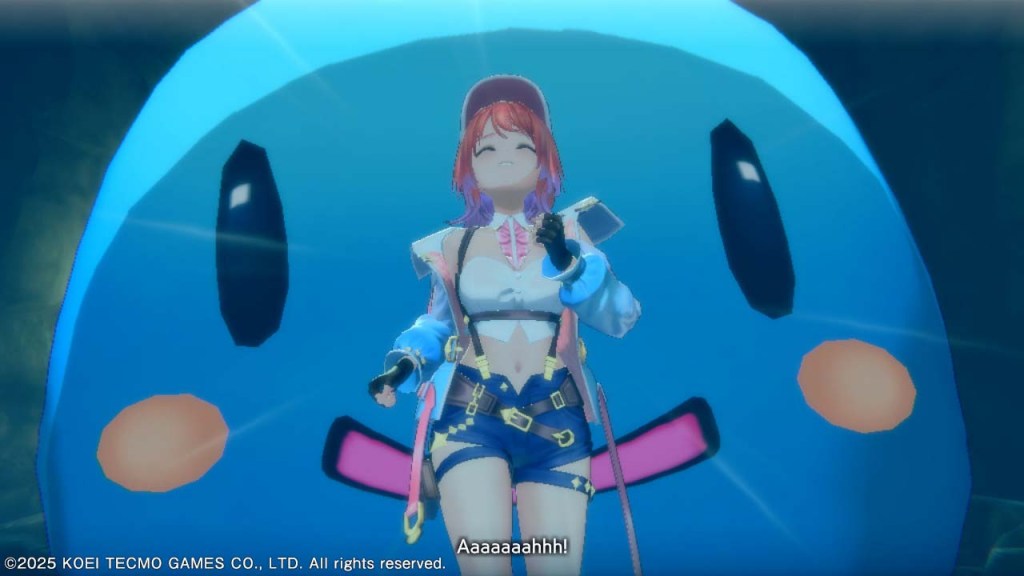
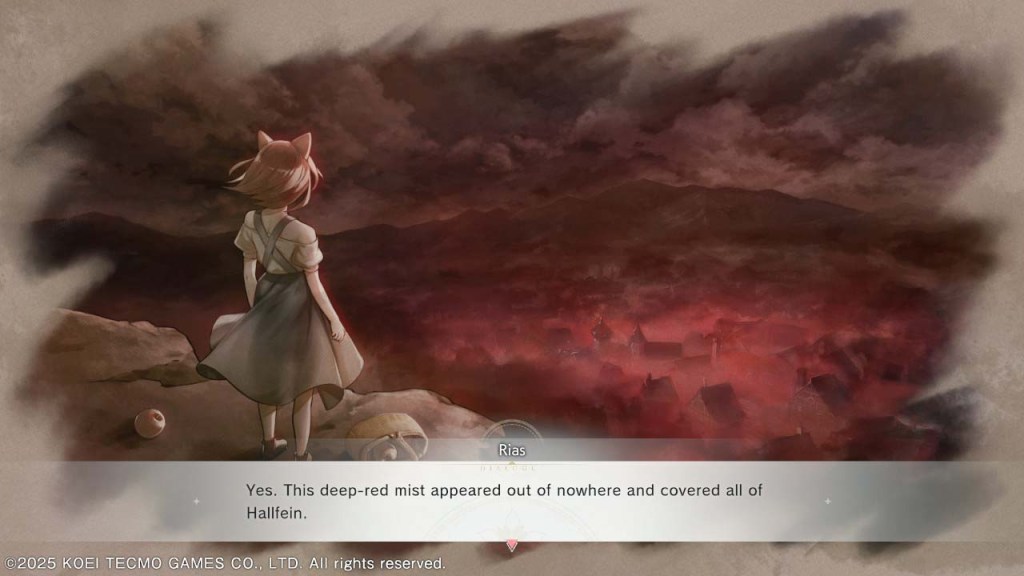
    Set after the events of Atelier Resleriana: Forgotten Alchemy and The Polar Night Liberator – sadly a mobile and PC Gatcha title that reached the end of its life earlier this year – The Red Alchemist throws you into the shoes of dual protagonists, Rias and Slade, who come together by chance in the depths of some ancient ruins. Their discovery of an Atelier and Rias’ gift of a natural born alchemist puts them on a long journey together to restore their hometown of Hallfein, which was damaged in a mysterious incident some twelve years before.

    While tragedy and the makings of something darker add depth to our heroes, The Red Alchemist firmly places its storytelling boots in what got me interested in the Atelier games to begin with: the light-hearted and heartfelt desire to make life better for others. Slade may be on a journey to decipher his father’s secrets, but Rias embraces the role of becoming a better alchemist so that she can use that skill to improve the lives of others.

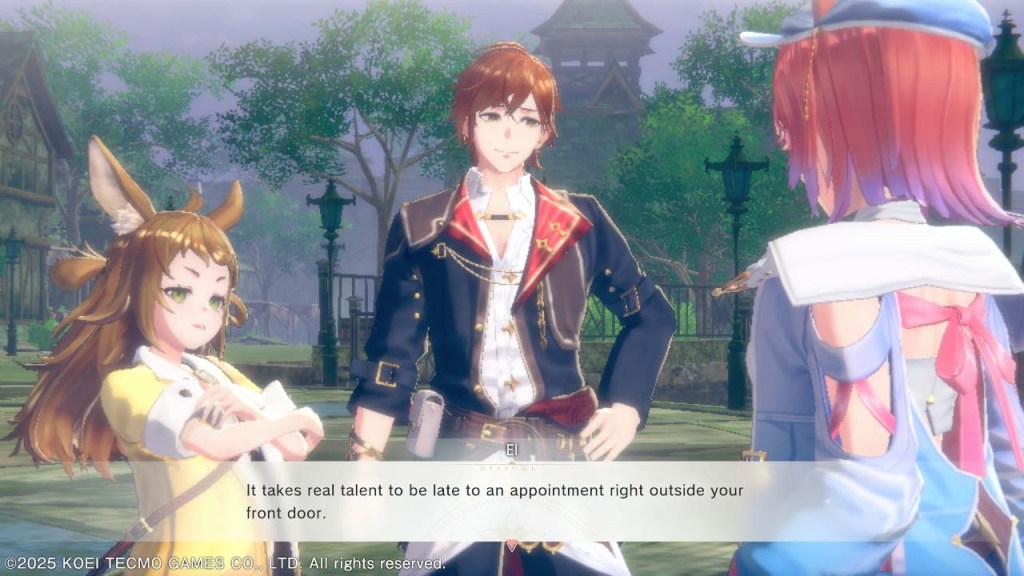
    Along the way, they’re joined by an assortment of amusing characters. New party members join and there are various cameos of major characters from other Atelier games, popping up to keep the story light-hearted and fun. There’s a lot of cut-scenes, fully voiced dialogue, and story bits here that keep the game progressing at a steady enough pace and it’s all wonderfully engaging.

    That story is backed up with some addictive gameplay that made it hard to put The Red Alchemist down. There are a whole bunch of systems at play here, from turn-based battles, to harvesting mechanics and even running a shop – all of which you’re going to have to contend with. For the most part, the developers have made most of the systems easy to understand and link them together towards one of your main goals: rebuilding Hallfein.

    When you first get to Hallfein, damaged buildings and mostly empty streets meet your arrival, but as you begin to fix the place up, new shops open, more people appear outdoors, and more customers come to your shop. It’s a nice visual showcase and satisfying feedback for all your hard work.

    Rias has a store in town that you can run and upgrade over the course of the adventure. The sales you make benefit one of Hallfein’s industries, from mining to nature. Running the store is easy peasy, especially if you hire fairies to do all the work for you. You can let them choose which products to sell if you don’t want to spend time picking them yourself, and you can customise the interior with wallpaper and products that boost sales.

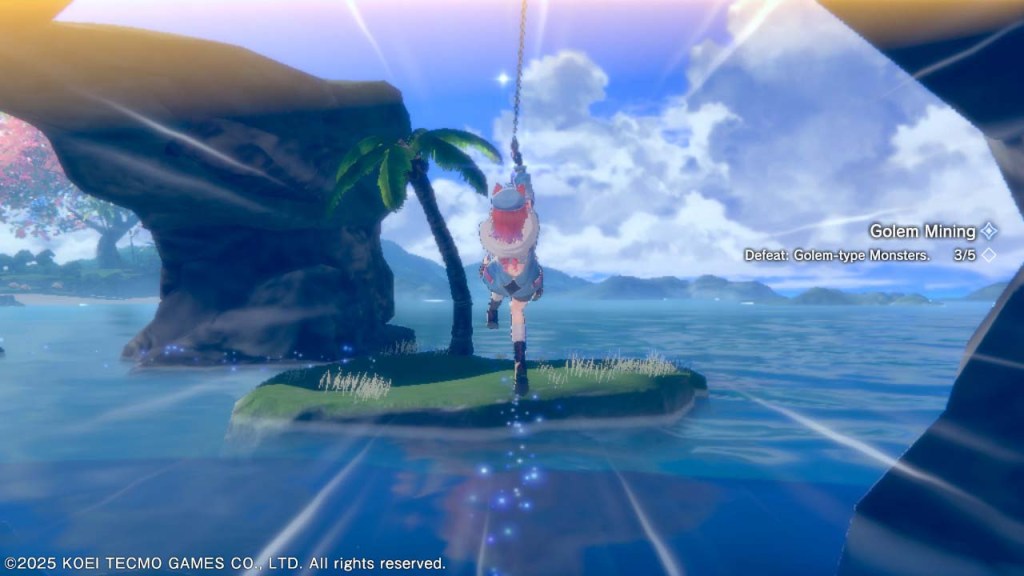
    All of the products you sell can be found in the field through the games harvesting mechanics – which are just as easy. You will need to craft new harvesting tools to harvest from specific sources or get rarer and higher-level resources, but harvesting is as simple as pressing the action button and watching your character whack the resources into existence with one swing.

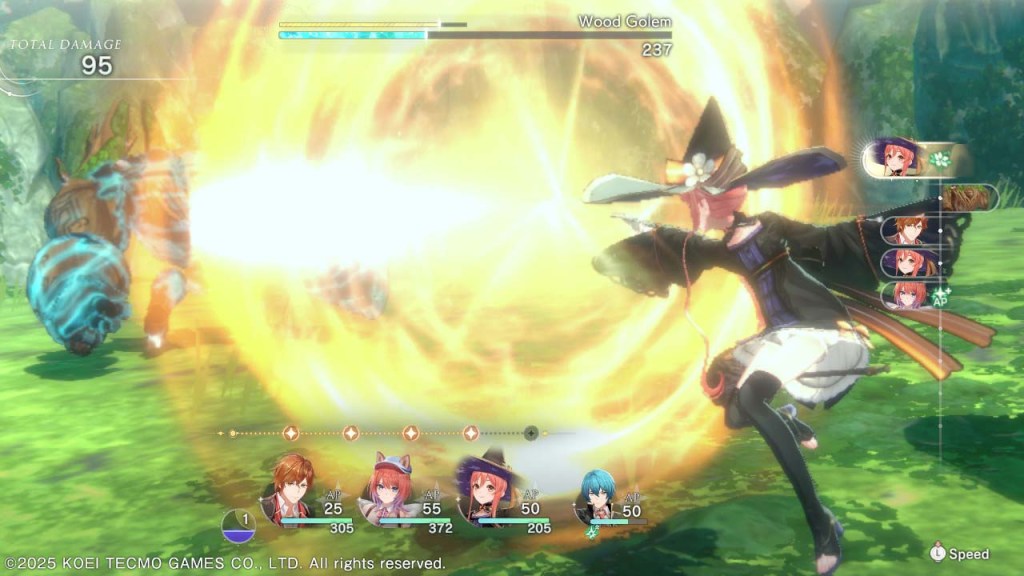
    Combat is one of the games other joys. It’s traditional turn-based JRPG fare but with just enough depth to keep battles interesting and fun. There’s a timeline you can use to plan your attacks, which is very useful as sections of the timeline come with buffs that can affect you or the enemies. Interrupting enemy attacks can delay them but also let one of your party members make use of that buff attribute.

    There’s a front- and backline for party members and you can use technique points built up in battle to initiate combo moves that swaps their places at the end of the turn. Backline party member don’t take part in battles otherwise, but everyone receives experience from combat regardless.

    Once unlocked and a gauge has built up, you get an automatic combo attack by frontline party members that uses special attacks and, along with the swop-out mechanic, typically decimates foes in beautifully explosive displays. Even with Field and Dungeon bosses, The Red Alchemists combat may be too easy for some.

    Personally, I loved the difficulty curve of the game (which gets a bit harder during the latter half) and the ease with which foes were decimated. It kept fights short, interesting, and fun, while making it feel like I was never grinding. In fact, this is one of The Red Alchemists strengths. Grinding, whether for XP or items, never feels like a grind at all because the game is just such joyous breezy fun to play.

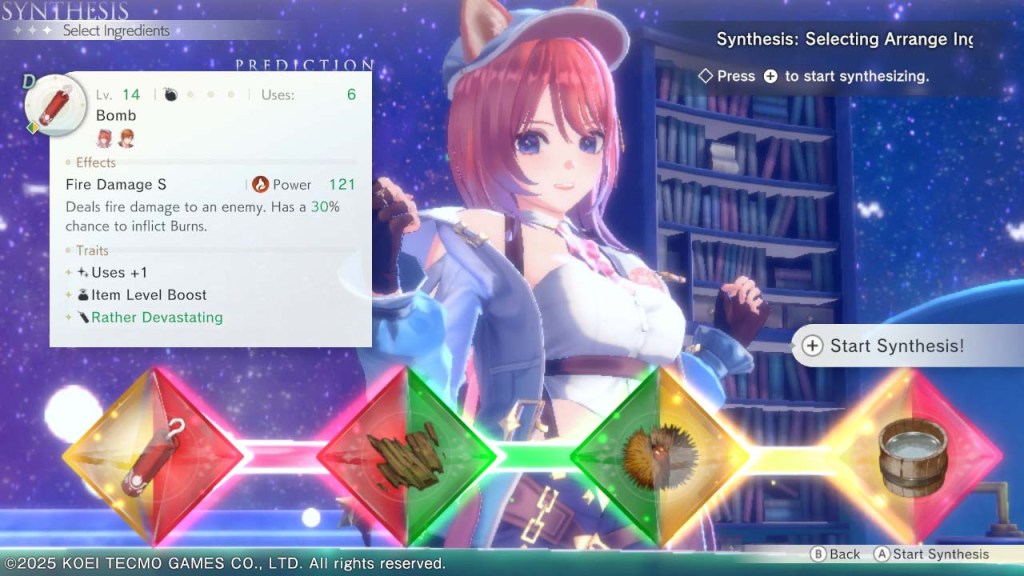
    Alchemy does present a fair amount of complexity that I feel the game didn’t explain as well as it could have. There’s a lot to take in when trying to craft the perfect item. From colour-coded items that increase an items level, to various effects that can be crafted into it, along with a transmutation function that can be used to change one item to another. There’s a fair amount to wrap your head around, especially when you get a request to craft an item you don’t have a recipe for yet.

    One area that The Red Alchemist does drop the ball a bit on – along with showing its mobile roots – are the games Dimensional Path dungeons. These areas are procedurally generated rooms that take you across different floors of enemies to find more fairies, chests, items, and story snippets for Slade. They accomplish the goal of giving you more enemies and repeatable bosses to fight, but don’t have the strength of a handcrafted dungeon.

    From a performance and visual perspective, Atelier Resleriana: The Red Alchemist and The White Guardian runs at a stable and smooth 30fps on the original Nintendo Switch. I encountered no performance issues, but that smooth performance does come at the cost of the visuals. Make no mistake, The Red Alchemist does have its visual flair, especially in the character designs, but the visuals have a fuzzy, un-aliased look to them that we’ve come to expect from a lot of multiplatform Nintendo Switch games.

    With Atelier Resleriana: The Red Alchemist and The White Guardian, Gust have taken the Atelier series back to its cozy RPG roots featuring fun and endearing characters. And they’ve backed up those themes with highly addictive and fun gameplay that made the game incredibly hard to put down. Fans of the Atelier series will love Atelier Resleriana: The Red Alchemist and The White Guardian, while those looking for a new RPG series to dive into can do no wrong by starting with this stunning gem.

    Pros:

    • Fun gameplay that’s hard to put down
    • Endearing characters
    • Harvesting ingredients is easy
    • Surprising depth to the alchemy system

    Cons:

    • Procedurally-generated dungeons
    • Slightly fuzzy visuals on Nintendo Switch

    Score: 9/10

    Atelier Resleriana: The Red Alchemist and The White Guardian was reviewed on Nintendo Switch using a code provided to gameblur by the publisher. It is also available on PC, Xbox Series S|X, PS5, and Nintendo Switch 2.

  • Review: Castle of Heart: Retold (Nintendo Switch)

    Review: Castle of Heart: Retold (Nintendo Switch)

    With the original Castle of Heart, released back in 2018 as a Switch exclusive, developer 7Levels decided that they wanted to bring back really old-school action-platforming to the market. One that gave us the difficulty of yesteryear wrapped in a shiny new hardware package. Castle of Heart managed to earn a reputation for being quite difficult, but not always for the right reasons.

    Seven years on, 7Levels have half remastered, half remade Castle of Heart with a significant number of improvements, both visually and behind the scenes, to make this the definitive version. And they haven’t skimped on the difficulty in the process.

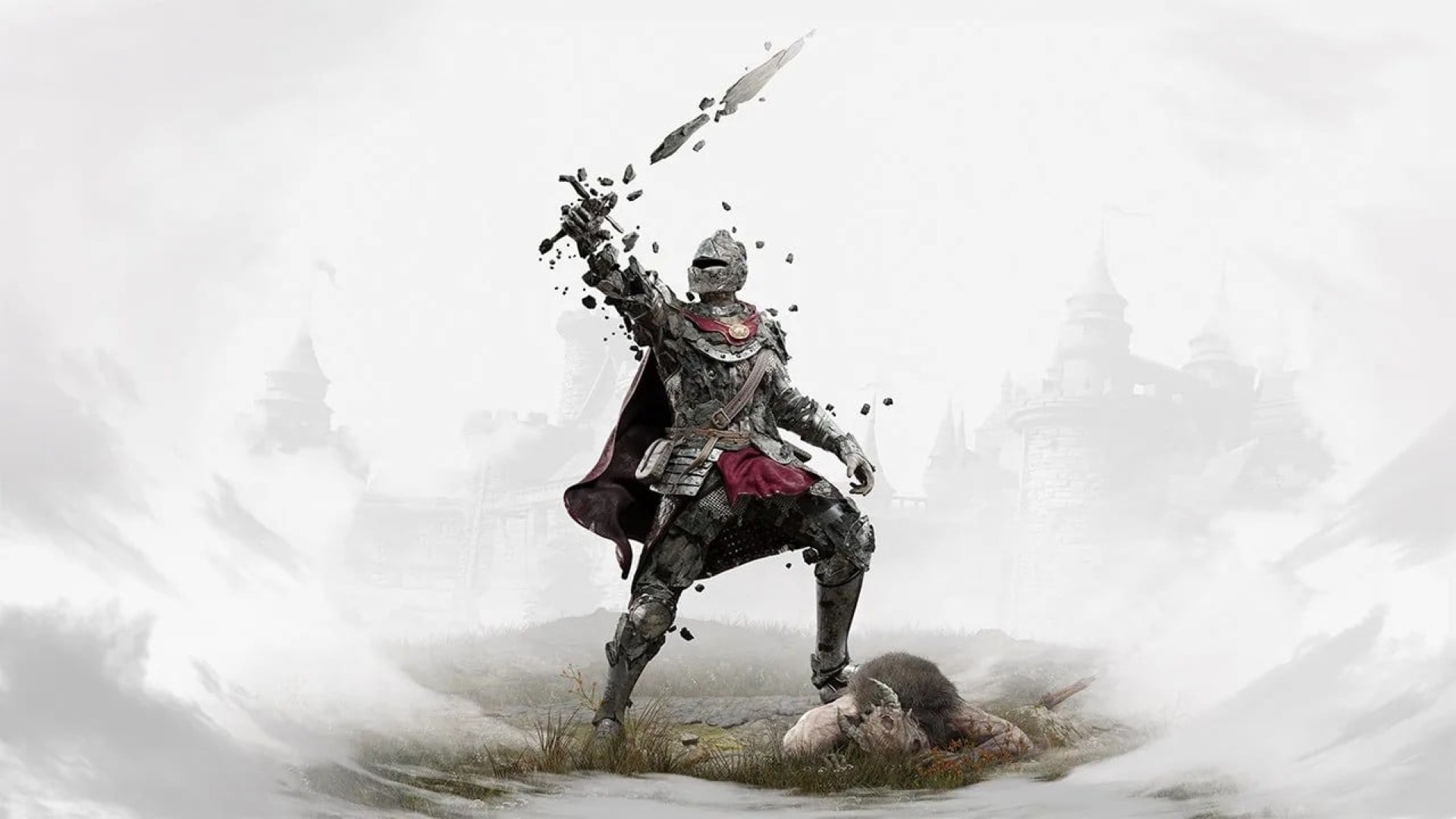
    Castle of Heart’s story is one we’ve heard countless times in the fantasy genre. An evil wizard gains too much power through shady, otherworldly dealings and begins to subjugate the world. One priestess dares to stand against him, earning the wizard’s wrath. And, when a brave knight stands up to the wizard to protect the priestess, the wizard abducts the priestess and turns everyone else into stone. But, don’t you know it, thanks to the priestess’ tear, the knight is only partly transformed. Grabbing his sword, he goes on a mission to rescue the priestess, slay the wizard, and, hopefully, undo the curse before it does him in fully.

    As the brave knight, you have twenty visually distinct levels to survive, along with a handful of bosses to slay on the way to saving your love and yourself. While the knight is mobile, the curse is still active, slowly turning him to stone as you fight your way to salvation. Health pick-ups from the environment and defeated enemies will restore a portion of your health, but you’re always on a strict time limit, watching it whittle away as you charge across each stage. And charge you will have to, if you want to make it to the end before crumbling into stone.

    As the knight, you can dual-wield weapons for extra damage, block attacks, dodge roll out of the way, and jump high enough to put most superheroes to shame. All of these skills you’ll need to chain together on a regular basis. You’ll want to dual wield, whether that’s with swords or crossbows, to deal extra damage because every little bit of health you save makes the difference between life and death.

    With your health always depleting, losing too much of it causes your arm to shatter and eventually the rest of your body follows suite. Getting through enemy encounters and environmental traps as quickly as possible is therefore paramount to your survival. The stages are littered with health pickups and enemies drop slivers of health on death, while hitting a checkpoint restores you fully before the next section. However, between the damage dealt by enemies – which increases in later stages – and how long it may take to get through an encounter, you always feel like you’re on the back-foot. Even with gems hidden throughout each stage that increases your total health, it always feels like you’re one step away from crumbling to dust. The sense of urgency is very real.

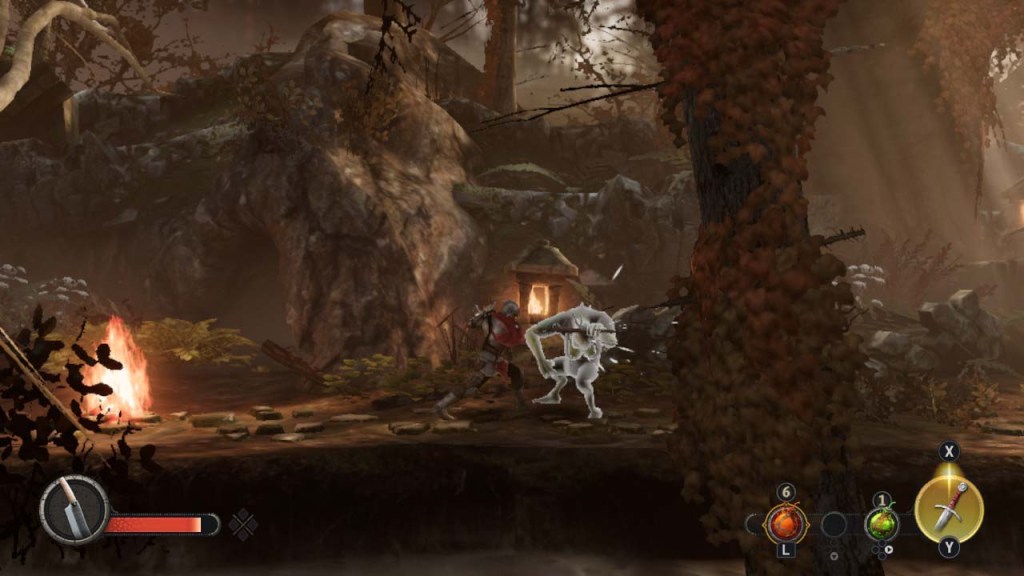
    That said, enemy encounters have been retooled. Unblockable attacks now have a visual prompt, and early enemies don’t take as many swings to put down. You can get caught between them though, which makes for some troublesome times but, thankfully, your dodge roll also knocks down enemies to create some valuable breathing room. Enemy placement can be a bit of a pain and feel unfair at times, such as projectile enemies at the lip of a jump you need to reach or flying enemies just going about their business near a rope you need to swing on.

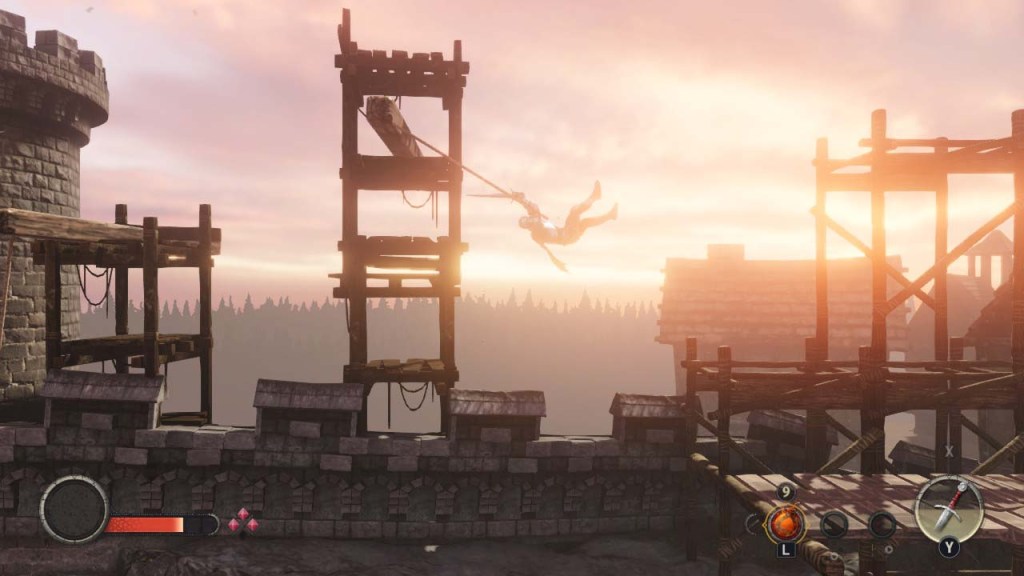
    Stages are very linear, but the developers build upon each environmental design after they’ve been introduced in early levels. Before long, you’ll be swinging across large gaps to land on collapsing platforms, jumping over spikes, and leaping into a group of enemies. These are some of the best moments in the game and require you to be absolutely on point to make it through. There’s no room for even a tiny misstep in these sequences.

    That said, instant death haunts you on just about every step of your journey. Mistime a swing or jump too late from those floorboards, it’s curtains and right back to the last checkpoint. To mitigate the number of instant deaths in the game, the developers have liberally placed checkpoints around the stages and give you infinite lives. There’s no game over screen here, just another chance to get it right. While that is appreciated, it doesn’t mitigate how unforgiving certain instant death platforming sequences feel, such as having to make it to the top of a flooding mine before the water catches you were even a split-second delay in your response time determines whether or not you succeed.

    Castle of Heart: Retold has been rebuilt with better textures and materials, improved meshes and geometry, and significant lighting improvements. It is, quite simply, gorgeous with much of the game falling into the screenshot worthy status. The 3D world with a 2.5D perspective making for a stunning spectacle, with multiple layers of scenery adding tons of depth to each location. Animations have been improved as well, for both our hero knight and the various enemies you’ll encounter, making the game feel closer to a remake than a remaster at times.

    While it seems that the bulk of the original’s issues have been addressed – such as combat difficulty, control issues, visual quality, and a complete script rewrite – Castle of Heart: Retold still has some issues that keep it from old-school greatness.

    While enemies may be visually distinct, with each area introducing new ones that fit the biome, attack patterns are repeated. Later encounters less about learning and exploiting new move-sets, and more about dealing with more incoming damage. This may make it easier to use the same tricks to defeat them, but between the escalating damage and your life draining away, I found it made more sense to just jump over enemies and rush past those that I could.

    Another issue that increases the difficulty is a common problem that most multi-layered 2D games suffer from: foreground elements obstructing the action. That happens in quite a bit in Castle of Heart: Retold, especially in the sliding sequences. Yes, it makes the game look beautiful, but when that tree trunk or rock in the foreground hides the edge of a cliff or drop from a roof at any point in a long platforming sequence, it can feel infuriating.

    On the whole, Castle of Heart: Retold is a great remake/remaster of an existing game that focuses on fixing the original releases problems, while bringing back old-school action-platformer difficulty. With a beautiful visual upgrade and plenty of tense set-pieces, it will suit those in the mood for significant challenge from their platformers.

    Pros:

    • A gorgeous visual remake
    • Some nicely constructed platforming sequences
    • The turning-to-stone premise keeps you on the edge of your seat

    Cons:

    • Some sequences can be very frustrating, especially when the environment can obscure your view
    • Later enemies just feel like reskins with the same move-set

    Score: 7/10

    Castle of Heart: Retold was reviewed on Nintendo Switch using a code provided by the publisher. It is also available on PC, Xbox One/Series S|X, PS4/5, and Nintendo Switch 2.

  • Console Review: Frostpunk 2 (Xbox Series)

    Console Review: Frostpunk 2 (Xbox Series)

    Although I enjoyed my first experience with the Frostpunk IP on console, I had a feeling the port of Frostpunk 2 would prove more challenging. Despite sharing many core mechanics, Frostpunk 2 is far more menu-driven, with a focus on tweaking supply lines and juggling resource allocation across multiple Frostland sites, rather than restrictive city-building in one location. The result is an engrossing sequel with far greater scope and complexity, but it doesn’t always gel with a controller.

    That said, Frostpunk 2 is still a great sequel so long as you’re not after more of the same. The campaign and sandbox-style missions begin with the familiar task of building up a settlement around a generator and exploiting local resources, but it takes less time to establish a logistics hub and dispatch Frostland teams to explore a sprawling over-world map. There are technology paths that focus on fortifying and sustaining a single mega-city by tapping into unlimited resource deposits, but the branching campaign chapters will still force you to explore the Frostlands to either settle or loot distant locations.

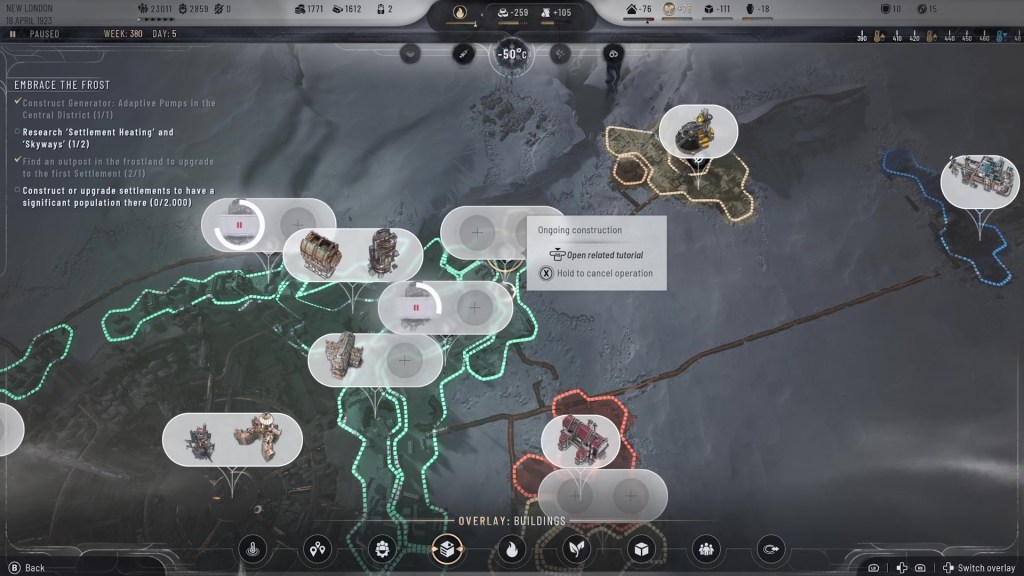
    Frostpunk 2 feels considerably more epic in scope thanks to new mechanics and an accelerated timeframe. The in-game clock hurtles forward through days and weeks, so it plays out over years and decades, rather than the days and months of the original. The city-building elements – which now involve sprawling districts, hubs, and key buildings – feels less exacting. In contrast, menu-driven systems that control the flow of heat and workers across your city are vital, and so too are Frostland supply lines let you balance the flow of colonists, food, fuel, and goods between settlements and outposts.

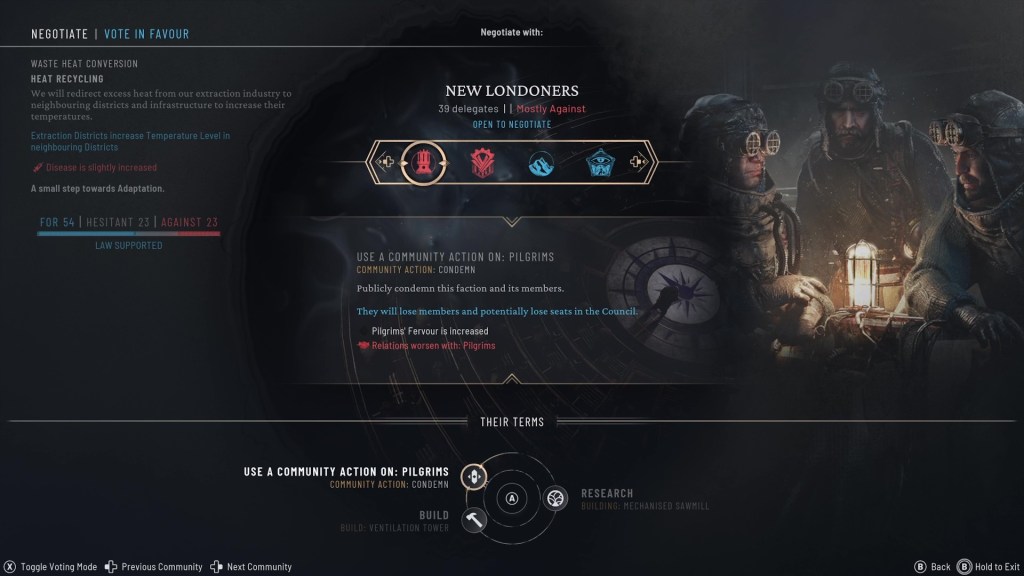
    Some may find the reduced focus on city-building disappointing, but there are new and expanded mechanics to keep you engaged. The most obvious is the new council and enhanced interplay of factions within your city. It starts with a simple vote to keep your player on as a steward (which can trigger an early game-over screen) but you’ll soon find yourself using these council sessions to vote on introducing new laws. These govern everything from education and social support, to policing and healthcare – all of which come with pros, cons, and faction preferences. If you play your cards right, there is even a path to entrench yourself as an autocratic leader who rules by edict.

    Factions can organically support your decisions, negotiate over future policy and research goals, or force you into a vote if you’ve ignored their requests for too long. If a faction gains dominance, they can start claiming housing districts, offer more support if you’re aligned with them, develop potentially problematic rituals, and even rebel against you – damaging structures and your economy. There is plenty of leniency on the lower difficulties, but a combination of social unrest, fanatics, sabotage, and the elements can conspire to destroy your settlement if problems are left to fester.

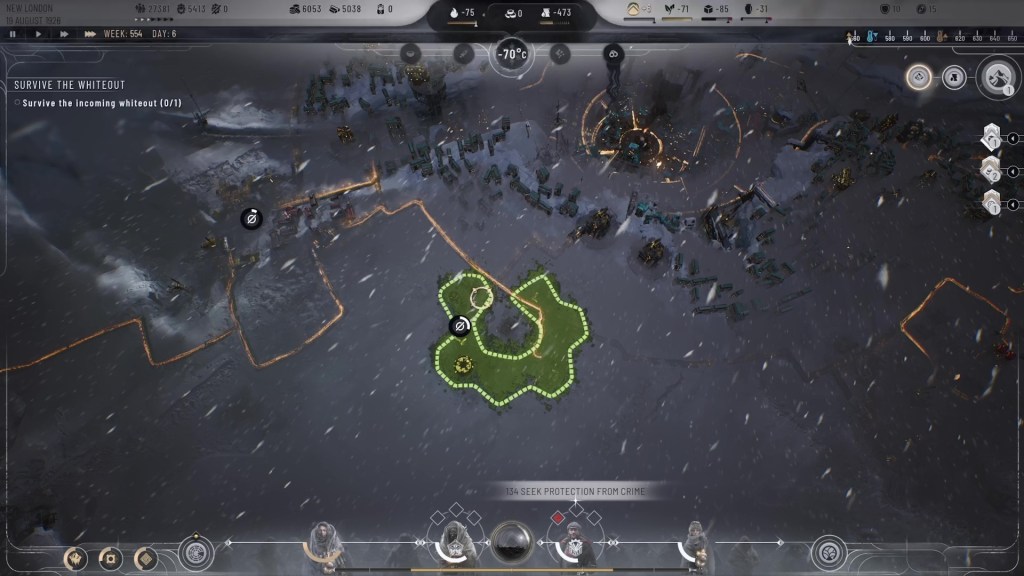
    It is a complex and sometimes overwhelming interplay of systems, but it is incredibly satisfying to keep your city thriving on the edge of disaster – especially when you are reaping the rewards of an earlier narrative decision or newly researched technology. Gameplay can feel dry as you simply define development zones, flip between information overlays, and shift sliders, but the audiovisual elements are immersive. The city announcer, citizen comments, and short narrative vignettes convey the impact of your choices. Machines clear the ice, basic foundations grow into bustling districts, and well-lit paths and heat pipes connect them. Better still, you can zoom right out into the Frostlands view, zoom back into secondary settlements, or pan across the over-world map to track approaching Whiteout storms that still threaten your settlements from time to time and cut off distant outposts.

    Unfortunately, all that complexity means playing Frostpunk 2 on console (or on PC using a gamepad) will have you fighting the controls just often enough to be frustrating. Selecting the wrong structure in a radial menu or placing a district in the wrong spot is annoying but manageable. Struggling to navigate the screen overlay icons or struggling to shift sliders in sensible increments is far more impactful as the game goes on. When you throw in other annoyances – like repeatedly zooming into a settlement while trying to connect Frostland supply lines, or tutorial pop-ups that won’t close – Frostpunk 2 can begin to grate. I just hope 11 bit Studios is still working on refining the control scheme as the rest of the package is an excellent choice for fans of the city-builders and management games with a survival twist.

    Pros:

    • It’s easier to establish interconnected cities and settlements
    • Managing political factions is almost as stressful as managing resources and the elements
    • The choice-driven campaign changes up how later chapters play out
    • Generator cities, settlements, and the Frostlands all look and sound more beautiful than ever

    Cons:

    • The gamepad control scheme feels smartly designed but is awkward and sometimes frustrating in practice
    • It can feel like a pure management game at times as you navigate menus, overlays, and maps

    Score: 7/10

    Frostpunk 2 was reviewed on Xbox Series S|X using a code provided to gameblur by the publisher. It is also available on PC and PS5.

  • Review: Space Adventure Cobra – The Awakening (Nintendo Switch)

    Review: Space Adventure Cobra – The Awakening (Nintendo Switch)

    Space Adventure Cobra… there’s a name I’ve not heard since the IP peaked in late ’90s. And, since we have to go that far back to the last time it was relevant, it’s best to give you a little rundown on what Space Adventure Cobra is (in addition to reviewing the videogame that you’re currently checking out).

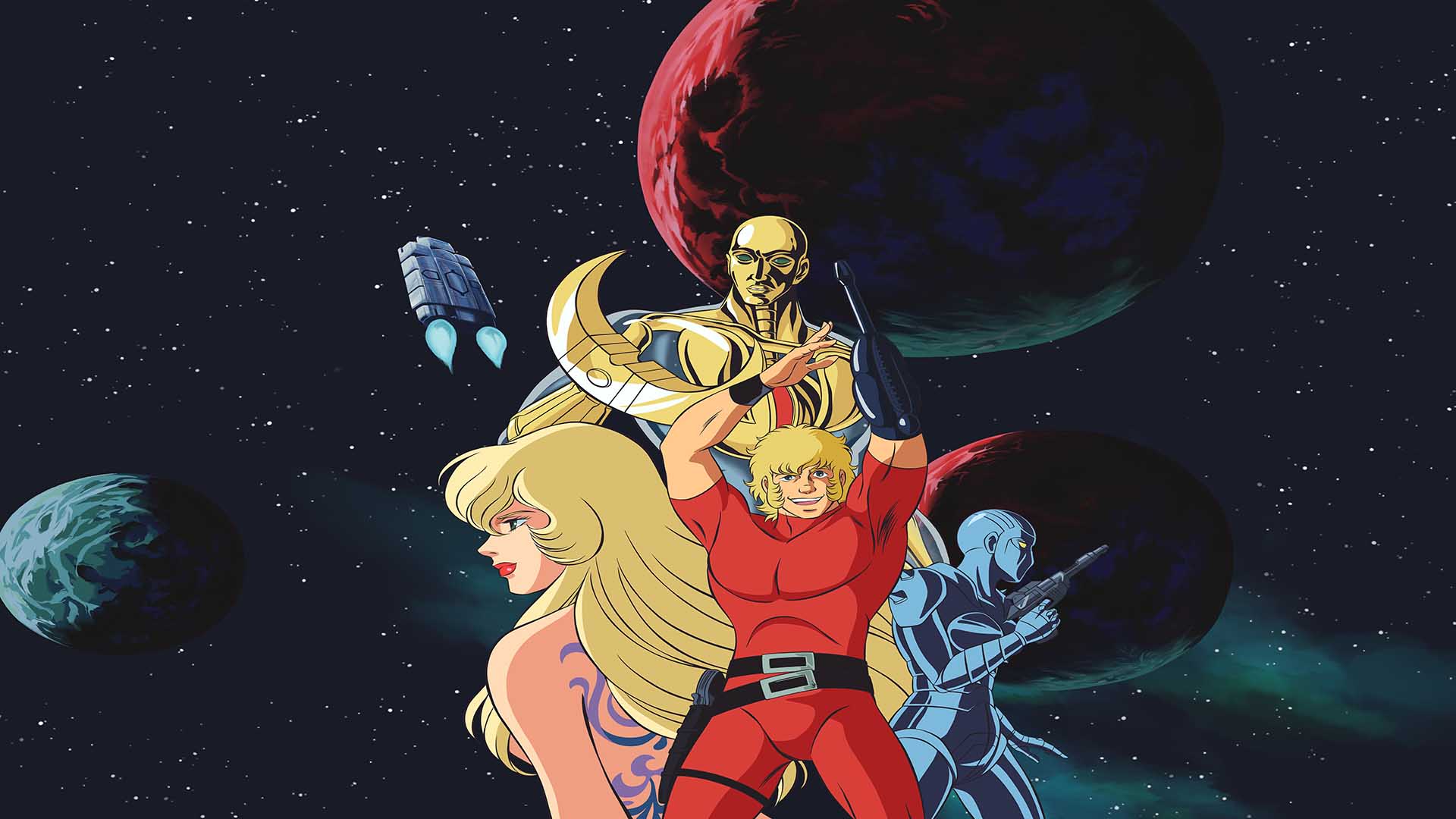
    Back in 1978, Buichi Terasawa created the manga known as Cobra, a pulpy, SF action-adventure series that placed you in the shoes of treasure hunter and lovable wise-cracking rogue, Cobra. Cobra, along with his partner in crime, Lady Armaroid, travelled the galaxy searching for adventure and putting a stop to evil doers. To escape his enemies, the Space Pirates Guild, Cobra faked his death, changed his face, and erased his memory. But you can’t hide forever, and the past always catches up. Cobra once again finds himself going up against the Space Pirates Guild across a galaxy of adventure.

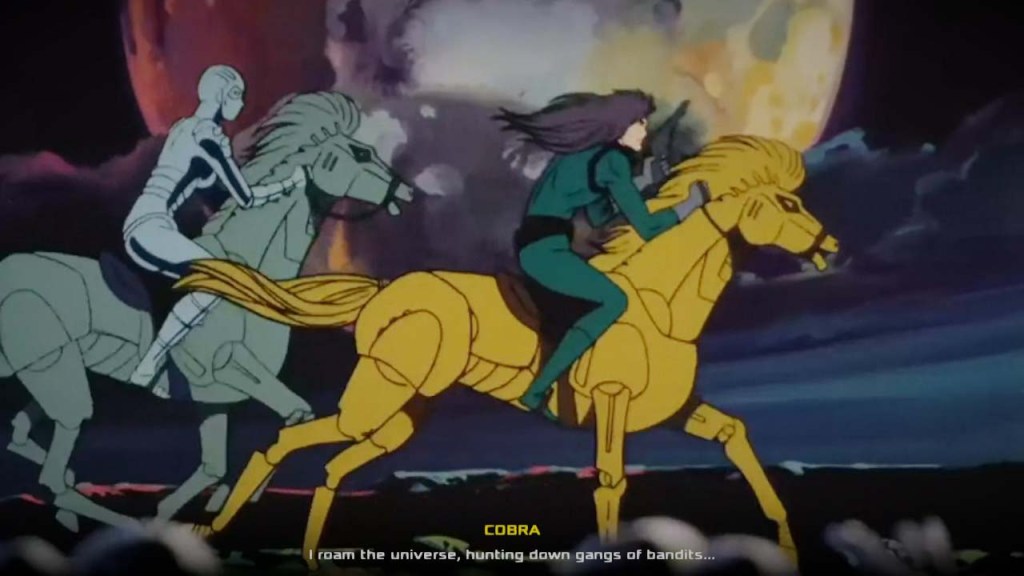
    In 1982, the manga was adapted into the classic Space Cobra anime, followed up by a movie, two OVA’s in the ’90s, a reboot attempt in 2010, and merchandising that included videogames. The original anime was a colourful extravaganza. Terasawa’s creation was inspired by a variety of media, most notably samurai movies, Spaghetti Westerns, and a healthy dose of James Bond. It’s a melting pot of ideas that shines through in its Saturday Morning Cartoon look. Make no mistake, as with many older anime and manga, darker themes were just as present in the source material and show, but they never diminished Cobra’s cavalier and playful pulp spirit.

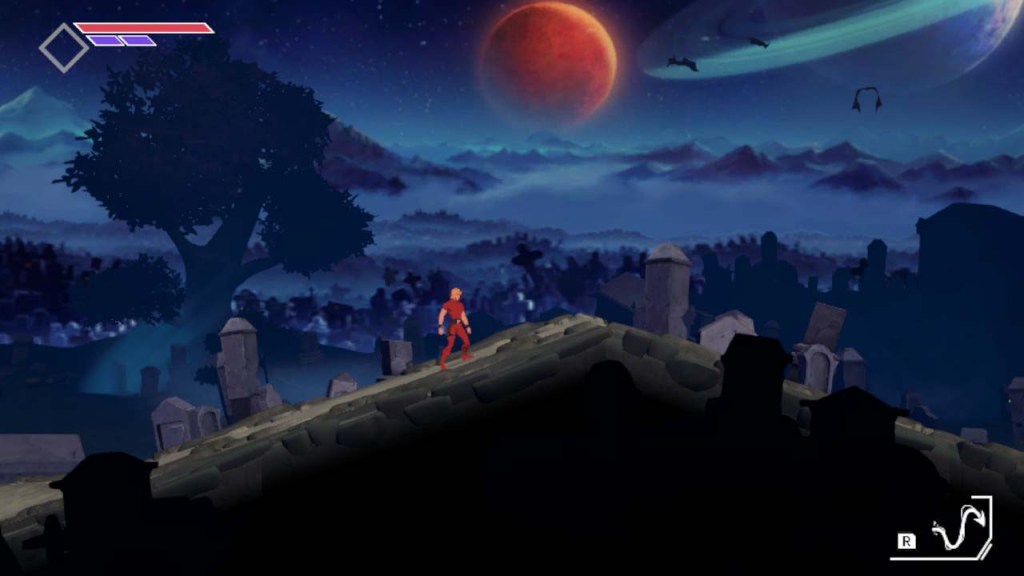
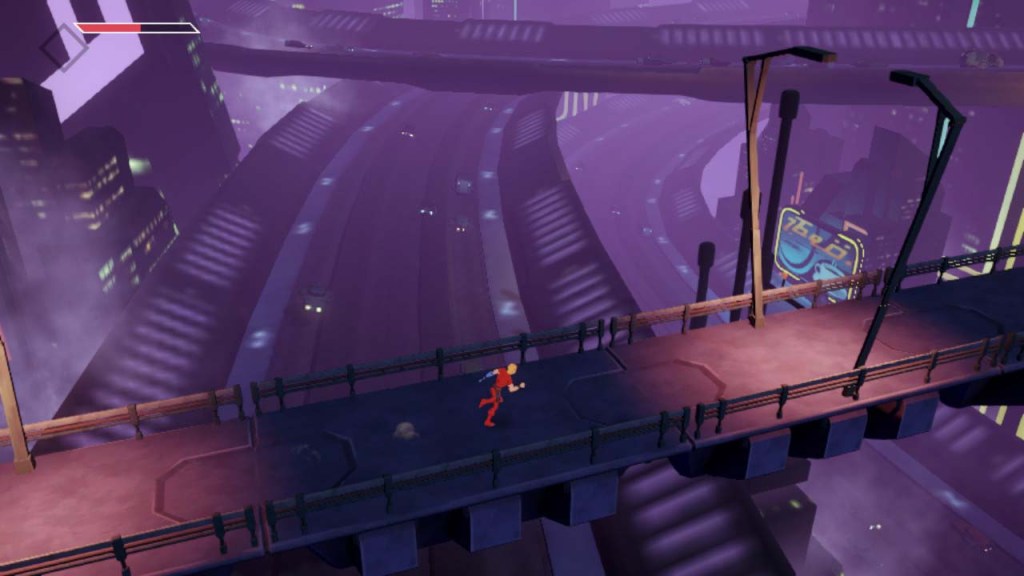
    And that spirit has made the transition into the videogame as well, along with its bright, shiny, cartoon-esque visuals and design. Now, despite taking its name from the movie, which I do think sounds better, Space Adventure Cobra – The Awakening faithfully adapts the first twelve episodes of the original 1982 anime. Licensed IPs are notoriously difficult to get right and the amount of poor licensed videogames, including those still filling up landfills, is a testament to that. But Space Adventure Cobra bucks that trend with a game that is not only faithful to the source material, but a really fun adaptation of it.

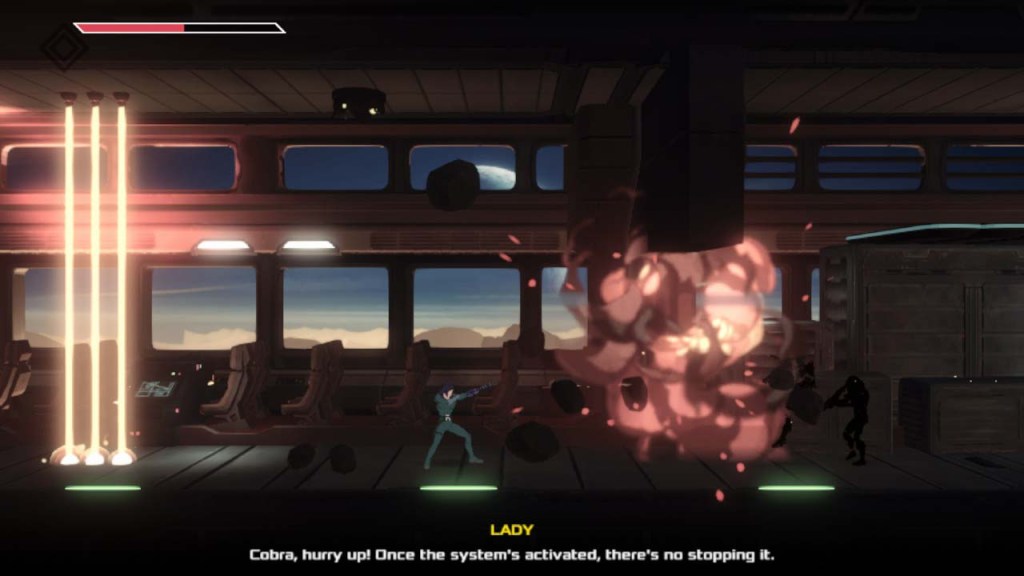
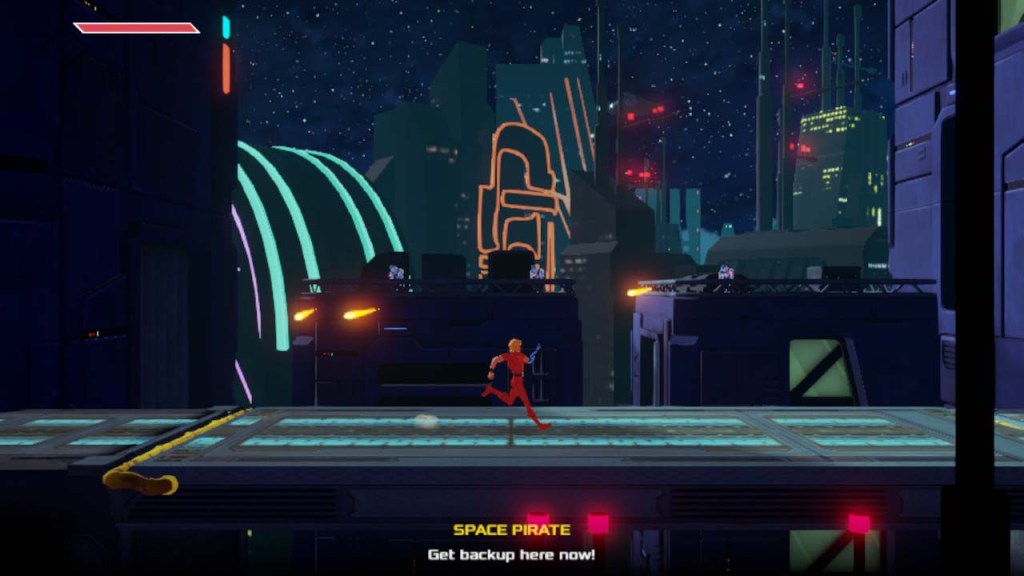
    As Cobra, you’ll be tearing through the anime’s story in a classic side-scrolling action-platformer. For a game based on an old IP, the developers have used old-school gameplay designs to bring Cobra’s antics to digital life. You’ll be running, jumping, air-dashing, and sliding your way across a variety of locales full of environmental hazards and enemies galore. More often than not, you’ll be expected to do all this while avoiding the oodles of blaster fire coming your way. It makes for a pretty challenging game right out of the gate.

    But Cobra isn’t useless in the combat department, In fact, he’s downright formidable. Keeping in line with the source materials Bond-ian inspiration, Cobra has a variety of gadgets at his disposal to even the odds. From a grappling hook to exploding cigars, and a revolver that disables shields, you have all the tools you need to take down the endless goons of the Space Pirates Guild. But it’s Cobras signature weapon, the Psychogun, that is your greatest ally.

    The Psychogun – basically a laser rifle that takes the place of Cobra’s left arm – is powered by the user’s mental strength and, along with Cobra’s life, one of the most coveted prizes in the Space Cobra universe. You have a high fire rate, a charged shot, and (the cream of the crop) thought controlled shots that let you guide the Psychoguns beam to its destination, usually through multiple opponents. Finally, you can build up a super meter that lets you unleash the Psychogun in one explosive, screen-clearing shot that decimates every visible enemy.

    One of the aspects that I really enjoyed is how the Psychogun turn encounters into small little puzzles that challenge you to clear out a section of enemies efficiently with the controlled shot. You can run and gun you way through each encounter in the most basic manner, but I don’t recommend this. At least not on the default difficulty which puts up a pretty stiff fight, especially in the later stages where caution and exploiting all of your abilities is the key to survival.

    Depth has been added to the game and it’s stages by making sure there are plenty of power-ups and unlockables scattered across the environment. These range from items that increase your health and damage output, to artwork that can be used to customise Cobra’s spaceship, The Turtle. Some areas can only be reached once you’ve gotten the requisite gadget and this adds replay value for those looking to 100% stages.

    Credit goes to the developers who have managed to keep this formula feeling fresh throughout the games runtime by varying up the way in which levels are laid out, so you rarely feel like you’ve just done the same thing you did only fifteen minutes ago (even though you have). There are multiple bosses to fight in each level – some of which do get overused – and they rely on the tried-and-true method of pattern recognition plus fast player reflexes.

    I really love the way in which the developers have integrated the anime into the game as well. Each of the levels is presented like a TV episode, with original clips providing all the story meat. But, instead of just having a clip at the beginning or end of a mission, multiple clips play throughout each level, with each gameplay sequence leading in and out of the clip, thus making each section feel like a natural extension of the anime. And there’s a lot of video here, so if you’re not familiar with the anime and its art style, consider your education taken care off.

    Watching the anime clips, I’d also say that the original Space Cobra anime seems to have aged well. The animation is great, the voice acting is excellent, and it captures the golden age of anime and its spirit wonderfully. Enough so that I’m tempted to jump back into the show again.

    The games 3D visuals and environment design follow on nicely from the anime’s look. Each new are feels pleasantly distinct and the animation does a lot of work helping Cobra’s personality shine through in his moves. I particularly love the animation for dodging an attack in mid-air – the one with Cobra doing the splits to avoid whatever was coming his way. For the most part performance is pretty good on the original Nintendo Switch, but there are some moments of slowdown when things get too hectic and in a few spots where some fancy camerawork has been employed to highlight the environments.

    Cobra controls pretty well for the most part with snappy, responsive movement but I do have some issues with the control layout that I think could have been better thought out. For one, being unable to crouch just feels odd in a game where so much blaster fire is headed your way and crates or rocks litter the environment. Cobra is also a little on the twitchy side when jumping and I’d occasionally over-jump or miss a platform.

    My biggest peeve, however, has to do with aiming. You have a 360-degree field for shooting around Cobra and can do so while moving, but aiming is also tied to the left thumbstick that moves him. This makes for some frustrating run and gun moments when you’re avoiding enemy fire while trying to hit enemies above, below or at an angle to you. You can hold down the L button for precision aiming, but this locks you into place while firing which is an issue with so many laser blasts heading your way at any given time. I feel like this needed to be thought out better – perhaps put control of your gun hand on the right thumbstick that lets you pan the camera slightly up or down. It becomes incredibly frustrating during boss fights when you have a small window to hit the boss, but you can’t stand still to do so because there are too many projectiles filling the air.

    I’ll be among the first to admit that I wouldn’t have thought to make a game based on Space Adventure Cobra, but I’m certainly glad that Magic Pockets has done so. Space Adventure Cobra – The Awakening has some control issues that need work, but the care, attention to detail, love, and inventive use of the source material is on display throughout the game’s fun and carefully constructed design. Not only have they created a rare videogame adaptation that does the source material proud, but they’ve also managed to rekindle my interest in an IP I haven’t thought about in ages.

    Pros:

    • Excellent use of the original anime to tie together gameplay sequences
    • Fun but challenging game design
    • Good story
    • Great visuals and animation
    • Amazing voice work

    Cons:

    • Some slowdown on the original Nintendo Switch
    • Having aiming use the movement stick can get very frustrating

    Score: 8/10

    Space Adventure Cobra – The Awakening was reviewed on Nintendo Switch using a code provided by the publisher. It is also available on PC, Xbox One/Series S|X, PS4/5, and Nintendo Switch 2.

  • Review: Caput Mortum (PC)

    Review: Caput Mortum (PC)

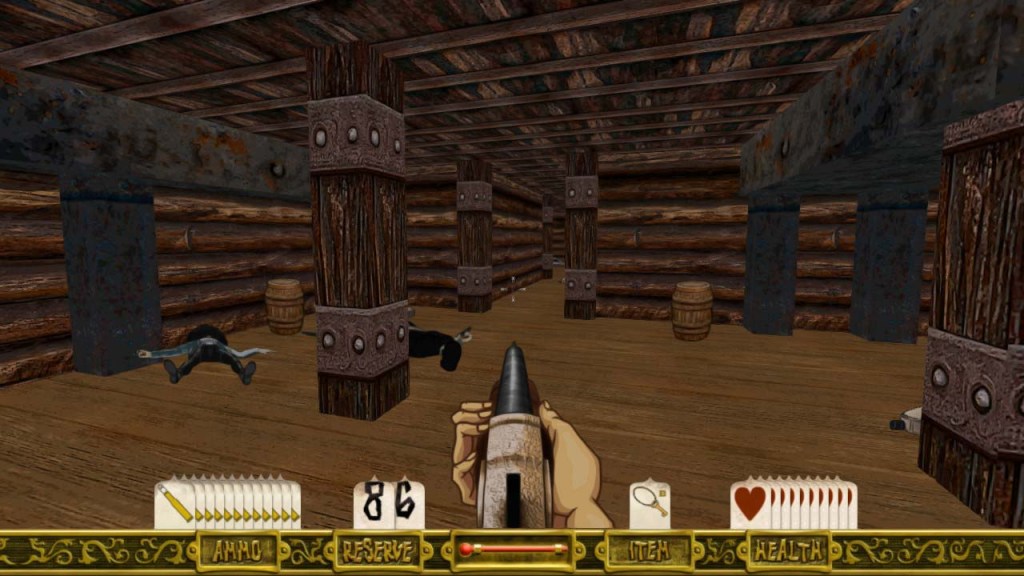
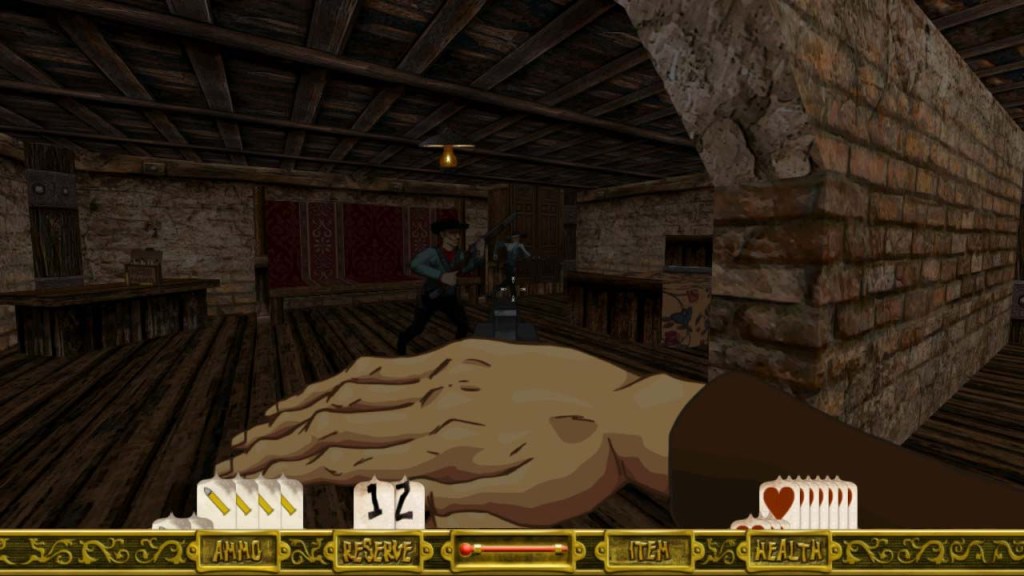
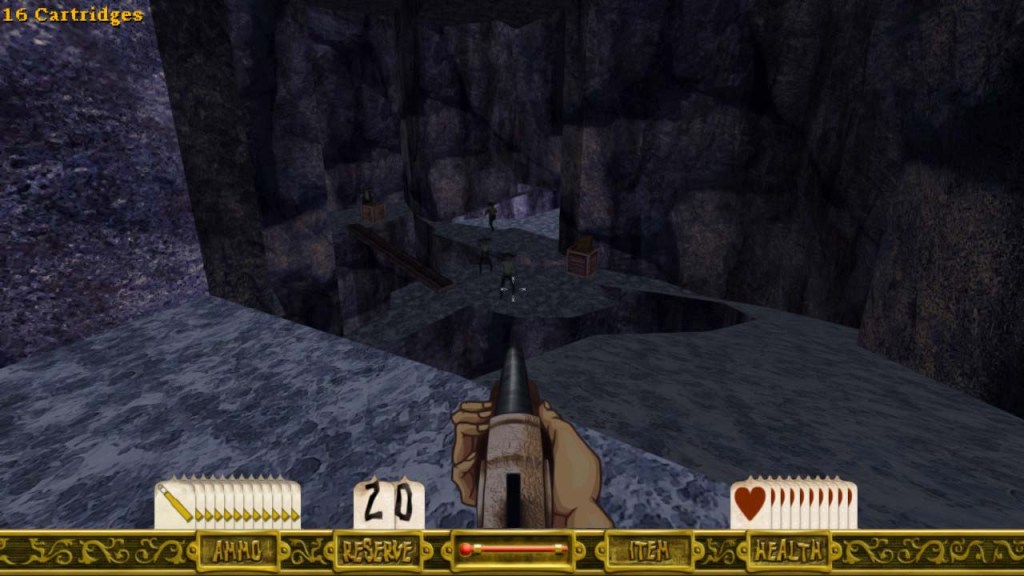
    WildArts Games’ Caput Mortum – apparently a variation of Latin for “Dead Head” – feels as indebted to 2010’s Amnesia: The Dark Descent as it does to its stated inspiration, 1994’s King’s Field. It’s a stylish, indie, first-person dungeon-delve that takes you into the ruined depths of a tower, in 16th century France, once dedicated to alchemy most foul. It combines diverse puzzle and monster encounters with retro-inspired aesthetics (and a retro control scheme for those who want it) to craft a well-paced descent into madness.

    Caput Mortum keeps direct storytelling to a minimum, with scattered notes and environmental details revealing the nature of the alchemists’ work, their barbarous attempts at creating life, and the tragic repercussions. Aside from the protagonist’s willingness to push ever deeper into the tower, they remain a mystery. A simple witness to events until the final moments – albeit with an alternate ending on offer for those willing to play through it a second time and piece together a secret code.

    A minimalist approach works for a game that is maybe 3-4 hours long for a first playthrough. Discovering the fate of the alchemists, their creations, and the nature of the voice calling out to the protagonist kept me pushing forward and exploring every corner of the tower for notes and hints of past events. It helps that despite the late ‘90s-style early-3D environments, each level of the tower feels visually distinct and atmospheric, packed with incidental details, new threats, and tension inducing-audio. The ambient audio keeps you on edge, audio cues let you know when you’re close to being spotted, and the soundtrack features simple but unsettling loops that had me thinking of Monolith’s F.E.A.R.

    Gameplay is all about deliberate movement and manipulating a single hand that interacts with the world, carries around puzzle items or keys, and wields a small selection of weapons that double up as tools. The basic controls and gameplay systems are easy to grasp, while clear guidance – either in the form of actual notes or visual cues – meant I rarely felt lost while solving puzzles, defeating basic enemies, and avoiding those I could not.

    If you’re after an authentically frustrating retro experience, the default controls offer a keyboard-only setup or gamepad layout that forces you to adjust your viewpoint by using keys or bumpers and triggers. These archaic controls ramp up the tension as simply aligning your view to track an enemy or strike at a weak point is artificially difficult. It felt like a novel throwback for the opening levels of the tower, but I would recommend just picking the modern gamepad or keyboard-and-mouse setup as the combat – which is never more complex than baiting an attack animation before striking back – is the least interesting gameplay mechanic.

    Instead, exploration and puzzling, sometimes while avoiding unique threats, are the highlights of Caput Mortum. Every level below the tower presents you with a new puzzle blocking your path, often requiring multiple steps, and slowly increasing in complexity the deeper you go. Small levels with a simple two-part key hunt give way to clue hunts, pattern-based puzzles, and alchemical formulas needed to create compounds and explosives. An early encounter with a curious homunculus has you using the hand controls to match gestures to avoid attacks, while a later encounter has you navigating dark drainage tunnels by flaming torch, pursued by a charred and deranged stalker.

    Caput Mortum’s brisk pacing also benefits the gameplay loop. Each level introduces a new puzzle variant or threat, and no stalker-style sequence lasts long enough to frustrate you. There are some anachronistic elements that don’t hold up – like having to swap between a free hand and weapon, or anytime extensive hand gestures are required reveal clues and solve puzzles – but as puzzle and encounter designs are rarely repeated, these issues never stuck in my mind. It’s also worth noting that while game warns you that it only saves once you enter a new level of the tower, there were autosaves after solving major puzzles and before entering dangerous areas.

    Wrapping up, Caput Mortum is both exactly what it markets itself as, and it serves an example of what indie games excel at: providing a compact but no less satisfying experience that provide the same thrills as their AA or AAA peers – just without the bloated playtimes that have come to blight that sector of industry. I played through and enjoyed it over two sessions; I’ve started a second run to unlock the alternate ending; and, when I’m done, I’ll have that increasingly rare sensation of finality that so much of the video game industry seems desperate to avoid giving me.

    Pros:

    • A compelling decent into madness told through notes and environmental storytelling
    • Simple but satisfying puzzle and encounter designs that rarely repeat
    • Retro-inspired presentation that generates an unsettling atmosphere
    • The brisk runtime benefits both the narrative and gameplay loop

    Cons:

    • Some puzzles require more elaborate hand gestures that are tedious when using a controller

    Score: 9/10

    Caput Mortum was reviewed on PC using a code provided to gameblur by the publisher.

  • Review: Mandragora: Whispers of The Witch Tree (v1.6 Update)

    Review: Mandragora: Whispers of The Witch Tree (v1.6 Update)

    With the release of Patch 1.6, we finally got to give Mandragora: Whispers of The Witch Tree a go. As with most modern games, the game has received a number of post-launch changes, both in terms of quality-of-life features and new content. However, before we get into what the patch has added, we’re going to take a quick look at the game itself and give it the gameblur review treatment.

    If you missed it at launch, Mandragora: Whispers of the Witch Tree is a dark-fantasy action-RPG Metroidvania with Souls-like elements. If that sounds like a lot of ingredients thrown into the mix, that’s because it is. Mandragora packs quite a bit of diverse DNA in an attempt to set it apart from the pack, which also goes a long way to make sure it doesn’t quite sit on one genre completely.

    The world of Faelduum is on the brink of annihilation. Dark forces besiege the land and the only hope for its people lies in the hands of the King Priest and his army of Inquisitors. You are one of these Inquisitors, sent on a mission to find a witch after you made a move without the King Priests orders and unleashed a dark power within yourself. But your journey will neither be simple nor quick, nor prone to keeping the dark truths of this world hidden.

    Mandragora presents a large world which, in traditional Metroidvania fashion, requires you to beat bosses, collect keys, or gain new abilities to fully explore the interconnected locations. Unlike most Metroidvanias, platforming is less of a focus here than the combat. That isn’t to say you aren’t going to be leaping around the place, but you won’t find hardcore platforming challenges. Instead, it’s used to give the fully 3D world viewed, which you view from a 2D perspective, a sense of depth that it works really well.

    Combat and exploration are Mandragora’s focus and you’d best be prepared to fight a lot. Combat is also where the games Souls-like elements come into play. You’ve got your melee attacks, spell attacks, a block if you’ve chosen the appropriate class, and both a dodge and dodge-roll. Stamina governs your melee and dodges, while mana powers your spells. So far, pretty much par for the course.

    Enemies drop loot and crafting materials on death and, while it’s nice to collect a specific set of armour with their own stats, what you really want are Mandragora’s equivalent of souls as collecting enough allows you to level up. Each level up gives you one skill point that you can invest in massive class skill trees. This is where the game gives you leeway for character building, as there’s a whole bunch of stats to pay attention to, along with passive and aggressive skills to unlock.

    One aspect that I do appreciate is that the game only locks you out of the other skill classes until you hit level 25. At that point, you can start unlocking alternate skill trees and class abilities, including their weapons to further augment your character. With two weapon load-out slots, you can, essentially swop between two classes at any time or mix and match your favourite weapon with your favourite projectile spell.

    As with most Souls-like titles, dying drops all the souls you’ve collected and you’re going to have to make the trek back to regain them. Between these mechanics and respawning enemy locations, the Souls-like elements are limited and Mandragora is nowhere, at least on the first run, as challenging as traditional Souls-likes. Yes, you have to be careful in combat and the multi-phase boss fights require you to pay close attention, but I never found the game hitting that Souls-like ceiling of brutality. Combat is fun and relies on having fast reflexes while memorising enemy attack patterns, and gets better as more build options open up.

    The RPG aspects far outweigh the Souls-like mechanics. The story, while not chock full of hard-to-spot revelations, remains front and centre throughout the experience. There are plenty of NPC’s to speak or listen to, sidequests to complete, and a whole bunch of power levelling to engage in. You get your own little encampment, complete with quirky shopkeepers and the ability to craft or enhance gear in various ways. In many ways, we’ve seen all this before, but Mandragora still manages to make it feel fresh and engaging – so much so that I made the effort to go back to camp on a regular basis to level up the shopkeepers and grab new bounties.

    It’s also worth highlighting that Mandragora is a gorgeous game. While the 3D models may not look as detailed as we’ve come to expect from modern titles, the stylised art style – made to look like a painting – breathes life into the characters and environments. Life that is emphasised by some great animation work and plenty of screenshot-worthy locations.

    Focussing on the version 1.6 update, the developers have addressed a whole bunch of bugs while rebalancing many enemy encounters and boss fights. Certain quests have had their rewards improved, while quality-of-life improvements have been across the game and its interface. Most notable is that you can now refund spent skill points and abilities if you feel like you want to re-spec for a tough encounter.

    Three new weapons have been added to acquire for your collection and a promised mode has finally made it’s debut: New Game+. This is significant for players who want more challenge than the games first run, as each NG+ cycle offers enemy levels that will scale with your own, along with random buffs and attributes for a higher challenge and better reward drops.

    There’s a significant amount of changes made we won’t list here, but these are the most important ones for improving the experience. That and some changes to environmental hazards and world geometry. The NG+ modes are always a great way to expand the lifetime of a game, especially for those who like stiffer challenges.

    All things considered, Mandragora: Whispers of the Witch Tree crams in plentiful mechanics that make certain it comfortably straddles multiple genre. Better still, they’re all executed wonderfully to provide a fun and interesting take on the dark fantasy RPG genre. The visuals and world design is gorgeous, while the many sidequests and skilful combat make running across the land worth the effort. When you factor in the NG+ mode, you have a fantastically fun game that’s set to drain hours from your life.

    Pros:

    • Fun, skill-based combat
    • Great world design
    • Wonderfully stylised, painterly visuals
    • Expansive skill tree for diverse builds
    • New NG+ modes expand the challenge

    Cons:

    • Some surprisingly adult language that feels out of place
    • The main story is predictable

    Score: 9/10

    Mandragora: Whispers of the Witch Tree was reviewed on Xbox Series S|X using a code provided to gameblur by the publisher. It is also available on PC, PS5, and Nintendo Switch.

  • Review: Turbo Kid (Nintendo Switch)

    Review: Turbo Kid (Nintendo Switch)

    Once upon an apocalypse, in a 1997 wasteland, there was a kid, his friend, and a bad guy trying to control everything. With his BMX and Turbo Glove, the “Kid” had no choice but to take on the bad guy in a no-holds-barred, gory brawl. But, when the dust had settled and the damage was too great, the Kid rode away into the Wasteland sunset to explore what was left of the world.

    That, boiled down to its essence, is the synopsis of Turbo Kid, a low-budget SF/Superhero movie that, most likely, many have never heard of nor seen. That makes reviewing a videogame based upon said movie a rather amazing thing in of itself. Not only because it’s based on a movie that came out in 2015 and promptly disappeared into the cult market, but because movie tie-ins have a checkered past. The chances of a good adaptation are, as we’ve sadly come to accept, pretty thin on the ground if not backed by massive studios.

    We throw around the expression “labour of love” around a lot when it comes to entertainment and this is one of those times where it shows throughout the experience. Developers Outermind Inc., have joined forces with the original movie team to create an experience that channels the essence of the movie, while expanding upon it in significant ways.

    The world feels bigger and more detailed, with a history behind it that shines through in what you’re told, along with the many visual clues showcasing this new version of post-apocalyptic 1997. There’s a new cast of odd characters, even weirder situations, and a more fleshed out take on the world revealed through impressive visual storytelling.

    The game doesn’t set out to recreate the movie in playable form, instead it continues where the movie left off with the Kid riding out into the Wasteland. He doesn’t get very far though before he’s ambushed and robbed of his weapons and bike. Thus begins a new journey to get his stuff back that eventually dovetails into a new threat for the struggling survivors of this world.

    The Kids journey is canon, though there are two playable characters you can choose from: the Kid or his friend Apple. Apple’s journey is a non-canon one and, even if you haven’t watched the movie, it’s not hard to guess why.

    There’s a lot of story on offer here, either to give context to what’s happening or merely to add some humour to the proceedings – usually through the sidequests which are fun to do because of how they play out versus the rewards. There’s a giant mutant rat looking for sweet, sweet turtle meat; a mysterious voice educated on bygone cult movies; and a sad tale of a robot looking for meaning, amongst others.

    While the story alone is worth the price of admission, we’re lucky that it’s been paired with some truly addictive gameplay.

    Turbo Kid is as Metroidvania as it gets, following the common gameplay designs to a tee. There’s the expansive world to explore, replete with blocked off passageways and doors that can only be opened with new abilities; a variety of enemies that make exploration challenging; hidden pathways to find; and bosses to fight for the aforementioned abilities.

    While that is as traditional as it gets, Outermind have managed to implement whatever digital magic it is that makes a genre you’ve played a thousand before times feel just as exciting and fun as your very first go around. Turbo Kid managed to grab me right from the get go and never let go.

    As expected, the Kid’s BMX plays a huge part in traversing the landscape once you’ve reacquired it. Thanks to the magic of technology, you can teleport it to you anytime, anywhere. Once you have it in your arsenal, it becomes even more apparent just how much like a BMX track the world has been designed to emulate. The labyrinthine layout makes great use of half-pipes and jumps to get you around and reach those hard-to-get to areas. You can pull off tricks on your bike and engage in races for various upgrades, such as spiked tires that help you scale walls and ceilings. And it plays just as much a part in the multiple-stage boss fights as your Turbo Glove does.

    While the bulk of your upgrades will be familiar – such as Air Dashes and charged shots – the game lets you customise passive abilities through a chip system which gives you extra abilities or enhances standard ones, such as letting your BMX’s spike wheel ability last longer. You can only equip three chips at a time though.

    One control aspect that took me a bit of time to come to grips with is needing to hold down a button to crouch. Holding down a shoulder button for precision aiming was fine, but having to hold one to crouch went against years of ingrained muscle memory of just pressing down on a D-pad or analog stick to crouch in a 2D game.

    Visually Turbo Kid is a gorgeous pixel art game featuring wonderful animations for both the characters and background elements. As I’ve stated before, the visual design does a ton of heavy lifting in breathing life into the world while telling you it’s backstory.

    From the enemies that heft weighty spiked shields around to those ambiguous, drill-headed characters in the background drilling through garbage, Turbo Kid is gorgeous to look at. The art style reminded me of that classic 1991 2D adventure game Another World, though a more direct inspiration can be found in that other phenomenal 2D action platformer from 2021, Narita Boy. And it’s all rounded out with a pretty good soundtrack to boot.

    If I have any issues with Turbo Kid, it would be that boss fights, while inventive, can feel a little bullet spongy. It’s the one area in the game that did frustrate me occasionally, but on the whole, Turbo Kid is a case of the stars aligning to buck the trend of poor movie tie-in adaptations. It’s addictive, impressive, and a whole heap of fun that kept me hooked from the opening to the finale. Turbo Kid isn’t just amazing, it’s bloody brilliant and one of the best games I’ve played this year.

    Pros:

    • Fun and addictive gameplay
    • Fleshed-out world
    • Gorgeous visuals and animations
    • Labrynthine maps
    • Great soundtrack

    Cons:

    • You need to hold a shoulder button to crouch
    • Bosses can feel like bullet sponges

    Score: 9/10

    Turbo Kid was reviewed on Nintendo Switch using a code provided to gameblur by the publisher. It is also available on PC and Nintendo Switch 2.

  • Review: Dead of Darkness (Nintendo Switch)

    Review: Dead of Darkness (Nintendo Switch)

    Dead of Darkness is the kind of title that screams pure pulp horror. The kind of title you’d expect to see plastered on the cover of an ‘80’s direct-to-VHS horror. You know the kind, on the shelf in the dark corner of the store that you’d rent for the weekend, watch on repeat with your best mate, and then talk about for years even if wasn’t any good. Yeah, it’s that kind of pulpy, badass title.

    But instead of a movie, it’s strapped on to a 2D survival-horror title. The sort that we might call a love-letter to the greats of genres past. Dead of Darkness takes us back to that time when survival-horror ruled the roost and you couldn’t take two steps outside your front door without been accosted by any number of games trying to cash in on the genre’s success. The game is bathed in the tropes of old school survival-horror, from the story to the various gameplay mechanics. It’s like a mash-up between Resident Evil and Alone in The Dark, with a bit of cosmic folk horror thrown in for good measure.

    Like any good pulp horror story, Dead of Darkness provides us with a colourful cast of characters and a significantly ominous location. A damaged ex-cop turned drunken private eye? Check. A mysterious, isolated island chock-full of secrets? Check. A strange family that aren’t all that they seem to be? Check. Armies of monstrous abominations stalking the darkness? Double-check to infinity and beyond!

    Set in 1985, Dead of Darkness throws you into the shoes of a reluctant P.I. When a letter arrives asking him to come to Velvet Island for answers surrounding his daughter’s death, Miles Windham doesn’t hesitate to grab the next ferry out. But things on the island are about to go from bad to worse when a scream shatters the dead of night.

    Instead of throwing us into a classic whodunit, Dead of Darkness propels us headfirst into a creature feature as monstrous forms roam the island and mansion hallways, tearing apart anyone foolish enough to get too close. The shambling horrors are only the beginning though and, as the night crawls on, nastier creatures come looking for a snack too. Does the island harbour the truth Miles needs? Will he even survive to find it?

    The only way you’re going to know that is to run through Velvet Islands death trap locations. And, thankfully, the games story is it’s single, strongest element pushing you forward. This twisty, turny tale is powered by some great voice acting as well, though be warned, like Still Wakes the Deep, there’s surprisingly adult language chucked your way at times. And while the usual Resident Evil-like ne’er-do-well corporation conspiracies do make an appearance, the bulk of the narrative – also fleshed out through plenty of letters – is a really good tale and well worth the time to explore.

    Gameplay is traditional survival-horror to the tee, just in a top-down, isometric 2D world. There are plenty of items to collect, locked doors needing specific keys, there are puzzles to solve, and not enough ammo to go round. Some of the best moments are built around puzzle solving, which lets you combine clues with items to do so. While there’s nothing in here that will cause the old brainpan to overheat, they’re nice filler to the rest of the gameplay, which is as traditional as can be – though not always for the best.

    Item management, along with an unhealthy amount of back-and-forth between locations, will be taking up most of your playtime as you struggle to manage what you need for a specific task versus what you need to keep yourself from keeling over. One nice addition to the map system is that any room you haven’t cleared or collected everything in, remains coloured red on your map, along with doors that need specific colour-coded keys. This way, you’re never lost as to where you still have to explore or complete an objective.

    The problem, of course, is that inventory space is limited to a measly eight slots. You can chuck items into the storage crate in every save room, which synchronises its contents across all crates, but it doesn’t stop you from having to run around picking up and dropping off items all of the time. Your weapon selection may be limited, but you’re going to have juggle that along with ammo and health pickups, which left me with only two open slots most of the time. And, because monsters can respawn or get swopped out for different ones in areas you’ve already cleared, you don’t want to be left short of ammo.

    Ammo is certainly in short supply. Not so much because there isn’t enough to pick up, but more because enemy damage seems to be randomised. When your regular flesh-eating zombie things can take between three to five pistol shots to go down, those seventy rounds of ammo you’ve picked up disappear pretty quickly. The shotgun, thankfully, packs a nice, meaty and disgusting punch, especially on the more common grunts that it turns into misty gibbets with ease. Weapons can be upgraded, but that random element means that I didn’t notice as much difference in stopping power as I would have liked. There are multiple difficulty settings to choose from but, honestly, I only noticed about a one bullet difference between normal and easy most of the time.

    The amount of back and forth does damage the games pacing as well. During a second playthrough, after a consistent and unavoidable crash was patched, I found the pacing more enjoyable as I already knew where to go and what to do, thus cutting the tiring backtracking. This did wonders for improving the pacing. While I admire the developers desire to make a truly retro experience, certain elements were best left in the past.

    One of the other aspects I enjoyed, even if it meant sacrificing an item slot, was the sanity meter. Every successful monster attack doesn’t only damage your health but your sanity. There are items to help restore it, but the game does throw in some cool insanity effects when it starts to get low, like creepy voices and the game seeming to “crash”. Beware though, if your sanity drains completely, you can die.

    Combat may divide players. As with classic games, you can’t move while shooting or reloading, so you have to use the environment to your advantage during combat and boss fights revolve around observing attack patterns. In general, combat just feels very basic. It’s effective but doesn’t get the blood pumping. And while there’s guts and gore galore, Dead of Darkness isn’t very scary at all, even with some insta-death sections that I could have done without. This may be a buzzkill for some, but the general overall enjoyment of the game goes a long way to making up for a lot of its flaws.

    Another potential issue for some will be the pixel art that, although nice to look at, is far less detailed than what we’ve come to expect from many indie games lately. It does a bit of disservice to the monster designs and animations but, like the combat, the visuals are serviceable.

    Overall, Retrofiction Games’ Dead of Darkness is an ambitious title in the 2D survival-horror genre. While the combat may be passable and the pacing could be better, it’s buoyed by a great story, good voice acting, and fun puzzles that mostly manage to capture the best parts of survival-horrors past.

    Pros:

    • Great story
    • Fun puzzles
    • Good voice acting

    Cons:

    • Pacing hampered by too much back and forth
    • Combat is just okay
    • Insta-death sections were painful

    Score: 7/10

    Dead of Darkness was reviewed on Nintendo Switch using a code provided to gameblur by the publisher. It is also available on PC, Xbox One/Series S|X, PS4/5, and Nintendo Switch 2.

  • Review: Heartworm (PC)

    Review: Heartworm (PC)

    If you critique Heartworm for what it is – a mostly one-dev passion project brought to fruition with the help of a niche indie publisher – it’s excellent with only a few forgivable flaws. It’s a compact homage to survival- and psychological-horror games of the PlayStation 1-era, notably Resident Evil and Silent Hill, with a story that ruminates on our fears and anxieties around the meaning of life and death.

    Despite a ranking system and achievements related to completion times, Heartworm has an intriguing but once-and-done story I won’t discuss in much detail. You play as Sam, a young woman with a debilitating fixation on mortality, who sets off for an abandoned house that urban legends say has a doorway to the afterlife. No one who enters the house has ever returned, but Sam – haunted by past traumas – thinks she has little to lose.

    With three major areas to explore and a casual playthrough lasting 4-5 hours, Heartworm moves at a brisk pace with mostly logical puzzles and only a handful of mandatory battles. The narrative is driven by stylish retro-inspired cutscenes, Sam’s frequent monologues, and no shortage of flavour text and notes that reveal her thoughts and those of others who have taken the journey before her.

    The surreal and sometimes nightmarish environments she explores are clearly manifestations of her own memories and fears, full of opportunities for Sam to comment on her life and experiences up to that point, but there are lingering threats that seem connected to earlier travellers. It makes for a setting that’s more unsettling than horrifying, so that Heartworm is more a journey of discovery like the original Silent Hill 2 and not some gruelling feat of survival.

    If you are a fan of classic or retro-inspired survival-horror, Heartworm will feel familiar and, at times, a little generic – most notably when it comes to the boss fights that feel more “gamey” than something essential to the narrative themes. Each area is sprawling and interconnected, with the way forward blocked by both conventional and bizarre locks that force you to hunt for actual keys, key-like objects, or clues to solve puzzles you might recognise from three decades of survival-horror games.

    The opening abandoned house and a hub-like cathedral hanging above a void set the tone and test your basic puzzling abilities. A gloom-shrouded neighbourhood has Silent Hill vibes and introduces roaming enemies – teleporting static ghosts and a giant spider – that you put down using Sam’s camera. The woodlands section feels eerily serene, aside from the rabid dogs, deer, and terrifying statues. The final multi-level clocktower mansion leans heavily into Resident Evil – sometimes literally – with elaborate key hunts that, in turn, lead to Silent Hill-esque environments, such as an abandoned hospital, school, and subway, filled with leaping chained creatures and twitchy mannequins.

    The combat and boss fights in Heartworm rarely challenge you, as there is plentiful film for Sam’s camera, the ability to snap the camera behind her shoulder for easy third-person aiming, and no shortage of basic healing items that you can combine to form stronger medpacks. It’s all familiar fare and most enemies are easily avoided if you just keep moving. The combat is engaging enough but the focus is clearly on solving puzzles and hitting frequent story beats.

    That said, Heartworm has the potential to frustrate if you’re not paying attention or when using the default pixelated and dithered visual style. If you’re a fan of semi-fixed camera angles and “authenticity”, Heartworm can provide that chunky, upscaled 240p look. If you disable the pixelation and dithering effects, you instead get a good approximation of what modern emulators can produce running early 3D games. Either choice looks great, and the visuals are complemented by unsettling ambient audio and haunting music loops that generate a ton of atmosphere. However, as much I loved the pixellated look, the extreme aliasing makes spotting pick-ups and environmental clues difficult.

    Another issue is that the size of many areas can make backtracking tedious if you’ve missed environmental clues that feature in later puzzles. This applies to a handful of optional puzzles to gain a camera upgrade and secret memory photos – at least one of which is required for the good ending that feels most consistent with Sam’s evolving attitude. There is a file system for documents and a modern map system that highlights both doorways and rooms with remaining items, but I’d recommend you treat Heartworm like a classic survival-horror game and take notes as you go.

    Looping back to my opening line, Heartworm gets so much right as a compact indie game that a few flaws did little to detract from what is otherwise an exceptionally well-made homage to both survival-horror and psychological-horror classics – just one with a more pertinent story that anyone could relate to. The good ending variations are perhaps a little too simplistic given the complexities of mental health issues, but Heartworm – much like Crow Country, My Happy Neighborhood, and Sorry We’re Closed – is another game in the genre that could broaden the audience by tempering the horror with more heart.

    Pros:

    • A compact homage to survival- and psychological-horror classics
    • A brisk and intriguing story that deals with anxieties and fears around the meaning of life and death
    • Plenty of excellent puzzles and competent survival-horror combat
    • A stunningly “authentic” retro-aesthetic

    Cons:

    • Backtracking can be tedious if you miss something
    • Optional secrets determine the ending scene
    • Sam’s evolving attitude and the positive endings might feel too simplistic given the content matter

    Score: 8/10

    Heartworm was reviewed on PC using a code provided by the publisher.