Tag: Nintendo Switch 2

  • Editorial: Total Chaos offers a rough but compelling psychological horror experience on the Nintendo Switch 2.

    Editorial: Total Chaos offers a rough but compelling psychological horror experience on the Nintendo Switch 2.

    Like so many third-party ports for the Nintendo Switch 2, it’s impossible to recommend Total Chaos without mentioning some caveats – unless, of course, portability is essential or you have no other console under the TV. That said, while Total Chaos has noticeable framerate dips and degraded visuals in the performance mode, it offers a rough but compelling psychological horror experience that is rare on Nintendo hardware. It’s also easier to appreciate if you consider it started life as an ambitious DOOM II conversion using GZDoom, before transitioning to the now ubiquitous Unreal Engine as a standlone game.

    Through nine lengthy chapters, the slow-burn opening sees Total Chaos evolve from a run-and-hide puzzler into a more traditional Silent Hill-inspired psychological horror – albeit entirely in first-person.

    The tense and appropriately chaotic opening chapter might leave you confused about the genre, but you’ll quickly settle into a rhythm of inventory management, scavenging and crafting supplies, juggling melee weapons with limited durability, and rationing the use of firearms with severely limited ammunition. If nothing else, Total Chaos nails edge-of-your-seat combat design. It’s a game in which you only ever have enough resources to scrape through the next encounter before desperately scavenging for more.

    It can be a brutal game so there are difficulty settings and a “Tourist” mode that starts you off with gear. However, if you’re a fan of the genre, I would suggest sticking to the original experience in which you’re only ever just ahead of the difficulty curve. There are puzzles and switch hunts under pressure, stalker sequences, and a few run-like-hell set-pieces, but most of the game is about managing consumables and picking the right sharpened tools for the job.

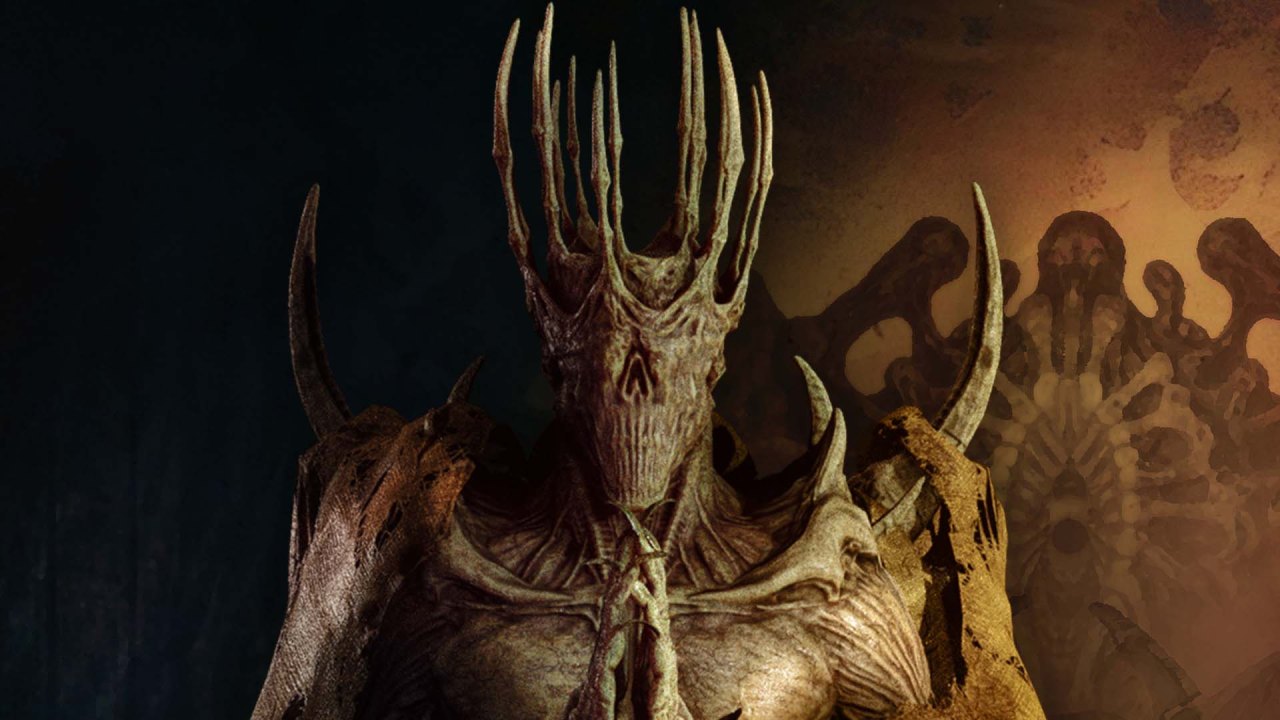
    Basic enemies fall with a well-timed dodge or shove, followed by a flurry of attacks, but more complex encounters are gradually introduced. Skulking spider-like creatures blind you with web spit before rushing in; lumbering split-headed creatures grab you if you don’t first choke them with a thrown item; teleporting electrified creatures are set aflame with a well-aimed bottle of alcohol; and a screeching enemy forces you to look away to minimise damage mid-attack. Stalker encounters and boss fights might force you to stay mobile, sprint between crawl spaces, keep your eyes on a creature to avoid one-hit-kills, or use environmental hazards to damage them.

    There are also survival elements like stamina, health, bleeding, hunger, and madness to manage, so crafting is not just about taping blades or nails to sticks. You need to find healing sources (some of which might be less than sanitary), scrounge food to manage hunger and boost stamina, combine alcohol and rags for bandages, and there are even mysterious coloured compounds you can blend, Resident Evil-style, in your old syringes. Even with a generous weight limit, you eventually need to make choices about what to take with you and what drop near a save point to collect later.

    As an indie title and former mod, I am not going to pretend the gameplay mechanics are the most polished, but they are engaging and involved. What I didn’t expect was that the unravelling narrative would be the biggest hook; that and a morbid curiosity about just how much more challenging it could get.

    The nameless protagonist – possibly a member of the coastguard – arrives at the derelict Port Oasis after surviving a bizarre storm. Entering the looming port structure through a sewer drain, a scrawled note on the wall indicates there is no turning back – your last chance to backtrack to the boat and leave. Push forward and you’ve committed to a lengthy gauntlet through increasingly twisted environments and the creatures that haunt them.

    To Total Chaos’ credit, it plays its cards openly and it’s clear from the start on that whatever the protagonist is experiencing must have something to do with their past on the island.

    Games can ruin the experience by revealing too much too soon, but Total Chaos drip-feeds its narrative beats and scattered documents with just the right pacing so that I was always left wanting to know more. What was the nature of the community at Port Oasis? Who does the voice on the radio represent and should you follow their advice? What happened during his last relationship that it left him literally haunted by manifestations of the trauma?

    Like all good psychological horror games, there’s a link between the narrative themes, the environments, and some of the creatures you encounter. Much of the basic gameplay loop involves monster ambushes and key hunts, but those moments are interspersed with set-pieces and boss-like encounters that clearly represent elements of trauma through the distorted visuals, creepy audio, tortured dialogue, and sparse but excellent music.

    Even numerous underground sequences that ran on too long for my tastes proved effective at generating an incredibly oppressive atmosphere (often due to a lack of light sources) which triggered moments of relief when I finally emerged back above ground into the dim grey light and increasingly stormy weather.

    Of course, as with the gameplay mechanics, the indie nature of Total Chaos means you can’t go in expecting cinematic production values, just really effective use of the resources it had. My one critique is that some actions needed to get the alternate ending are obvious while others are so random you might want to use a guide if you only play through games once.

    On the whole, Total Chaos is an impressive conversion of a well-regarded mod into a standalone indie game – something I’d love to see more off given the long and often impressive history of total conversions mods. On Nintendo Switch 2, I’d recommend it to survival- and psychological horror fans but just be cognisant of its limitations and the compromised performance mode going in.

    Total Chaos was played on Nintendo Switch 2 using a code provided by the publisher. It is also available on PC, Xbox Series S|X, and PS5/Pro.

  • Editorial: Dread Delusion offers console players a weird and wonderful mini-RPG with Morrowind vibes.

    Editorial: Dread Delusion offers console players a weird and wonderful mini-RPG with Morrowind vibes.

    Dread Delusion is both a compact nostalgia-trip for time-constrained older gamers, and a means for younger gamers to get a taste of early, first-person, fully-3D RPGs like The Elder Scrolls III: Morrowind.

    Despite its obvious retro inspirations, it’s smartly designed and “fun enough” by modern standards but what is does best is evoke classic vibes and encourage exploration. Like Morrowind, Dread Delusion’s best attribute is not the gameplay but the distinctly otherworldly setting, the intriguing lore, and the striking aesthetics. It has a unique atmosphere that elevates the experience, even if the storytelling is simple and the gameplay loop straddles the line between charmingly dated and perfunctory.

    Not high praise for those who exclusively play “AAA” games and value cinematic storytelling or ultra-polished gameplay, but Dread Delusion knows what it wants to be and does so with confidence. It has a compact structure, varied but streamlined mechanics, and frugal dialogue trees that ensure it avoids making the mistake so many modern games do – wasting the player’s time and dragging out the experience to the point even the best qualities are rendered repetitive and tiresome.

    Dread Delusion doesn’t offer huge depth in the moment-to-moment gameplay, so you only spend only a minute customising your prisoner-protagonist before being introduced to the primary quest by way of an Inquisitor agent, trapped within an iron maiden-style cage, bleeding between raspy breaths. You’re then tossed out onto the floating Oneiric Isles to begin your adventure with minimal fanfare. It feels brisk, a little messy, but the opening sequence is devoid of exposition dumps or the overlong cutscenes so common these days I’ve had to change my TVs power-saving settings.

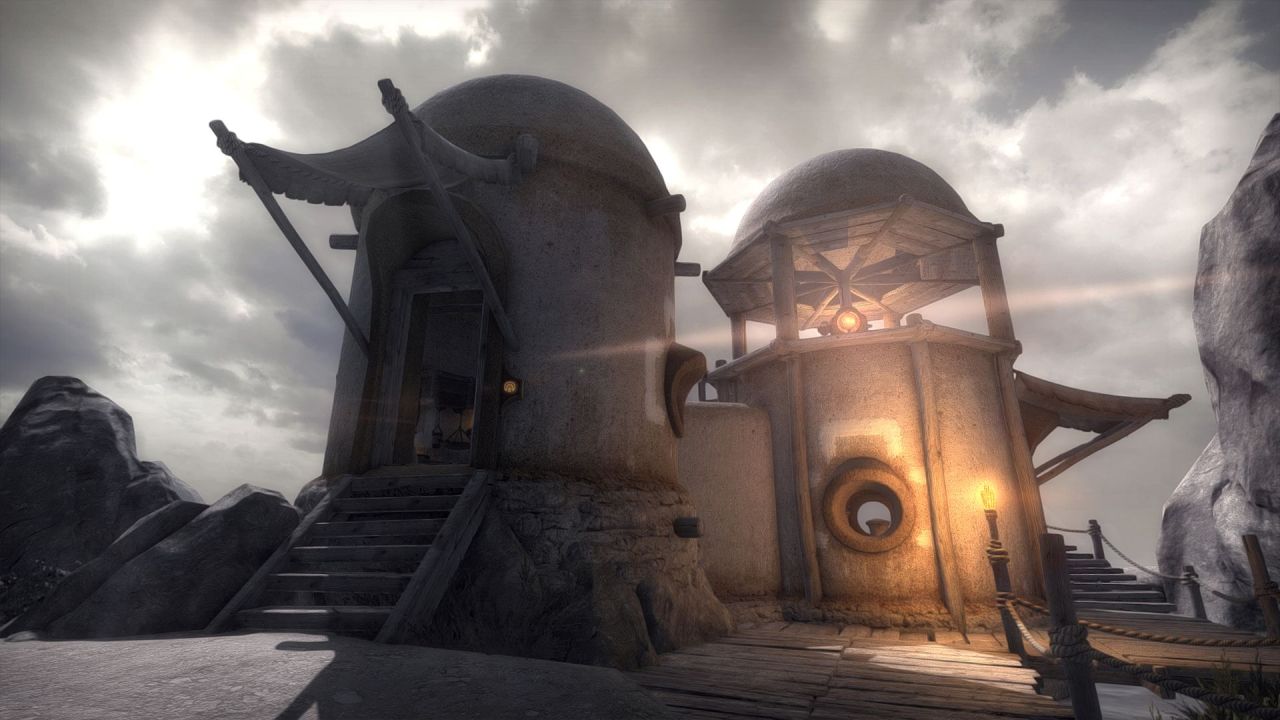
    A massive fort looms above of you. Inquisition machines clank and groan around you. Jagged islands of rock, strung together by precarious bridges, float above a ruined and charred planet below. Tree-sized mushrooms and bizarre fungal shrubs – typically in shades of vibrant green, blue, and pink – stand in stark contrast against the reddish-purple sky with its pulsing “neuron star” connected to others by glowing threads of energy. The excellent music kicks in and it all felt incredibly weird and wondrous in a way I’ve not experienced in a big budget sci-fi or fantasy games for ages.

    When you factor in the lack screen-filling tutorials and condescending secondary character to sprout advice, the opening sequence also places the onus firmly on the player to push forward, explore, and experiment if they want to know more.

    Of course, Dread Delusion offers up a lengthy quest involving the hunt for a Navy-captain-turned-sky-pirate Vela Callose that will take you across the Isles and to the ruined world below. You’ll learn about the “God Wars” and the rise of Apostolic Union, the ancient Emberian civilisation and the devastating “World Rend” event, and you’ll meet the factions contesting the Oneiric Isles – but there’s so much more depth for those who explore, talk to every NPC, and read the stylish book extracts scattered around.

    The gameplay that ties everything together is fun, familiar, and streamlined – like a “best of” rewatch your favourite series where you have to foresight to skip the inessential episodes. You have light and heavy attacks paired with block and parries, all governed by stamina and strength. Offensive and defensive cypher spells require mana and high lore. You can charm NPCs in dialogue, pick locks and disarm traps, or manipulate magical objects to open alternate paths and secrets. There’s even a stealth system with bonus damage for thief-types that enjoy spending half their playtime crouching with a bow.

    Armour, clothing, and weapon variants are limited but offer impactful upgrades that consume increasingly rare materials. Rings and accessories are unique and buff specific attributes or skills. Alchemy allows you to brew useful and situational potions. You can purchase and upgrade housing in each island kingdom, unlocking temporary skill boosts, crafting stations, and gardens with alchemical ingredients. You eventually unlock an airship of your own to access new areas.

    Dread Delusion offers a little bit of every RPG staple for you to dabble in as you explore, just never with enough depth to derail your momentum and the narrative pacing.

    Despite these streamlined mechanics, Dread Delusion still prioritises role-playing and provides quest solutions that can shift your standing with different factions and affect the outcome of regions. Your dialogue choices have the most impact, but you can also avoid harming faction relations by simply sneaking through an area or unlocking alternate paths to bypass combat. The levelling system – in which you “embrace delusions” to increase attributes – consumes “glimmers of delusions” that are awarded on quest completion or found in secret areas. There’s rarely a good reason to choose a violent outcome if you don’t want to.

    There’s a fair argument that the minute-to-minute gameplay feels a little underdeveloped, but the impact on the experience is limited by Dread Delusion’s relative brevity for an RPG – maybe 20 or so hours to explore everywhere and do everything on your first playthrough. The focus remains on constant forward momentum and exploration while you resolve quests the way you want to. Dread Delusion never feels like it’s wasting your time getting bogged down by grindy gameplay systems or cinematic aspirations that impact the pacing.

    Going back to the Morrowind comparison, the Oneiric Isles are simply a joy to explore as every new region means new sights to see, new biomes and creatures, new people and quests, and more lore to discover. For console players, it offers a rare mini-RPG with incredible vibes and, as a bonus, runs well on every platform including the Nintendo Switch 2.

    Dread Delusion was played on a Nintendo Switch 2 using a code provided by the publisher. It is also available on PC, Xbox Series S|X, and PS5.

  • Editorial: Warhammer 40,000: Rogue Trader on Nintendo Switch 2 crams a massive CPRG onto tiny hardware to varying degrees of success.

    Editorial: Warhammer 40,000: Rogue Trader on Nintendo Switch 2 crams a massive CPRG onto tiny hardware to varying degrees of success.

    As a fan of classic CRPGs who grew up playing Baldur’s Gate, Icewind Dale, and Neverwinter Nights, I can’t help but love Owlcat’s isometric CRPGs. Just how much I love them, however, depends on the amount of free time I have. Their prior CRPGs based in the Pathfinder universe – Kingmaker and Wrath of the Righteous – have their flaws, but their epic scope and ambition made them easy to forgive once I was hooked. Warhammer 40,000: Rogue Trader continues that time-devouring trend, albeit this time within a distinctly gothic, grimdark, sci-fi universe.

    For that reason, the prospect of a Nintendo Switch 2 version, which I could pick up and put down whenever I had the time, was incredibly tempting – despite having sunk 60 hours exploring the Koronus Expanse in the Xbox Series port already. Like all good CRPGs, there is scope for replayability by rolling a different character class, experiencing the impact of tackling missions in a different order, adventuring with a different group of companions, making different major decisions at the end of each act, and role-playing a more ruthless or evil character (not that I ever do).

    Having now sunk another two-dozen hours into Warhammer 40,000: Rogue Trader on the Nintendo Switch 2, the results are predictably hit-and-miss given the size of this game and some hardware limitations. Portability always requires sacrifice – especially when dealing with a small screen in a menu- and text-heavy game. On the upside, the outcome is mostly positive if affordable and optimised portable play is your goal. If, however, you intend to make use of the Switch 2’s hybrid nature and occasionally play it on a 4K TV, the results are less impressive.

    Starting with the good, Warhammer 40,000: Rogue Trader on the Nintendo Switch 2 is feature-complete with no gameplay compromises (and it’s cheap). It is every bit as massive and engaging as the PC version or the other current-gen console ports (and the DLC expansions are arriving soon). The platform has no shortage of lengthy Nintendo first-party adventures and third-party JRPGs, but this is a rare western-styled CRPG for fans of the genre (the other options being literal classics, like Beamdog’s and Aspyr’s remastered D&D IP: Baldur’s Gate, Icewind Dale, and Neverwinter Nights). Isometric exploration, tactical turn-based based battles, dialogue choices with abundant skills checks, more exposition than anyone needs, and major choices that alter the later acts – it’s all accounted for.

    It took a post-launch patch or two, but Warhammer 40,000: Rogue Trader on the Nintendo Switch 2 runs as well, if not better than the PC version on the Steam Deck and original ROG Ally (my only other points of handheld comparison). On the handheld screen, enabling TAA produces a slightly softer but less noisy image, while the framerate sticks to the 30fps target outside of a few rapidly panning cutscenes with alpha effects. Coupled with a UI and controller scheme developed and refined for the current-gen consoles, it feels more than responsive enough for general exploration and the turn-based combat. Even the load times are respectable, albeit a little longer than on the other consoles.

    The are, however, three issues of note – one subjective and two with gameplay implications. When docking the Nintendo Switch 2 and connecting to a 4K TV, you are getting a better experience than the Steam Deck or ROG Ally is capable of. However, the image is notably blurrier than when playing on even the budget Xbox Series S (especially when dynamic resolution scaling kicks in), and it appears to lack some post-processing effects that leave environments looking too bright and lacking depth. Of course, visual quality is subjective and the ability to easily suspend, resume, or continue your game away from the TV is a major perk.

    More problematic are the awkwardly overlapping menus, tooltip boxes, and tiny text when playing in handheld mode. Navigating exposition-heavy dialogue menus, cycling between environmental text descriptions, and comparing items in the inventory is a core part of any CRPG and incredibly frustrating on a small display. One potential solution is using a Joy-Con 2 as a mouse, but the implementation is an all or nothing approach. The gamepad UI is replaced by icons around the screen and almost every aspect of the game is controlled by the mouse, slowing down the pace by making actions like simple camera control frustrating.

    Ultimately, you’ll need to consider how plan to play Warhammer 40,000: Rogue Trader on the Nintendo Switch 2. If you play mostly in portable mode, it is an impressive version that looks and performs better than all but the most high-powered handheld PCs. The text size and limited screen space is an issue, but the rest of the port is solid and it looks good on a small screen. If, on the other hand, you alternate between portable and docked play (or if your Nintendo Switch 2 lives under the TV most of the time), Warhammer 40,000: Rogue Trader looks rough in comparison to other current-gen console ports, and the mouse controls need more refining. All that said, if the Nintendo Switch 2 is your only console, CRPG fans should jump on the opportunity regardless.

    Warhammer 40,000: Rogue Trader was reviewed on Nintendo Switch 2 using a code provided to gameblur by the publisher. It is also available on PC, Xbox Series S|X, and PS5.