
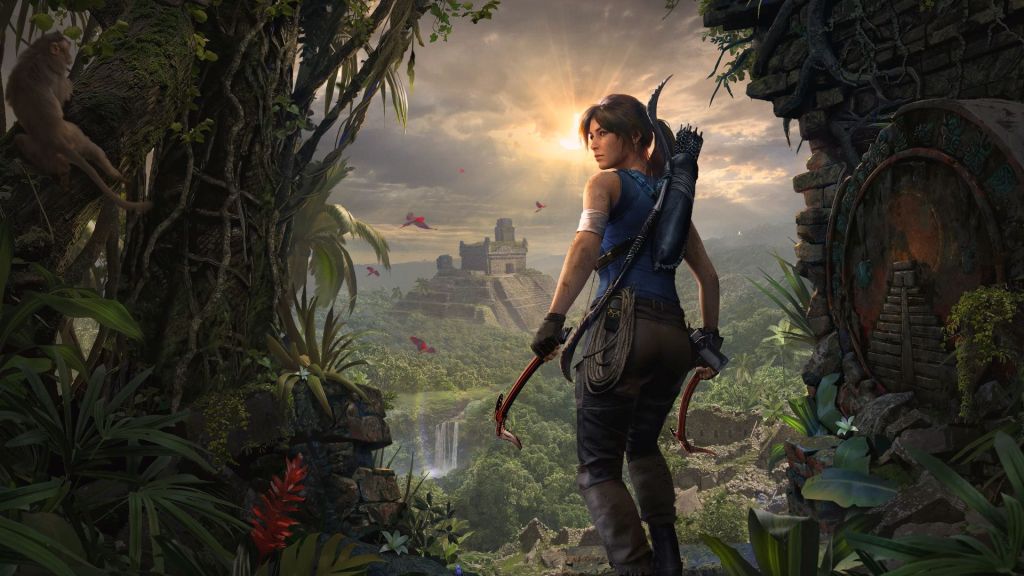
Aspyr deserves credit for porting, remastering, and, in doing so, help preserve dozens of games over three decades in the industry. However, as they’ve shifted towards classic IP exclusively, their output has included a handful of low-effort projects that lacked the care those games deserve. After the enhanced but respectful Tomb Raider I-VI Remasters from the Core Design era, the Nintendo Switch 2 port of Crystal Dynamic’s Tomb Raider: Definitive Edition released in a rough shape. Aspyr must be learning on the job as Shadow of the Tomb Raider is the most ambitious game in the “Survivor Trilogy”, yet also their most competent port. It looks sharper than the PS4 version, especially when docked to a 4K TV, and the 30fps target at least feels stable and is delivered smoothly (even in NPC-packed hub areas).
If the Nintendo Switch 2 ports are your first exposure to this trilogy, 2018’s Shadow of the Tomb Raider is a substantial, spectacle-packed, but inconsistent climax to Lara’s journey from terrified and whimpering survivor into merciless mercenary mass-murderer. The Trinity organisation was an easter egg in the first game and blandly stereotypical villains that needed culling in Rise of the Tomb Raider. The third game attempts to introduce depth to their leadership structure and purpose, delve into Lara’s troubled family, and challenge her present beliefs. All promising ideas on paper, but the execution is messy. Lara is still the chosen one that has to save everyone; her relationship with Jonah is rocky for at most an hour after she triggers a world-ending sequence of disasters that kill hundreds; and Trinity still murders civilians while supposedly planning to recreate a world without “cruelty and suffering”.
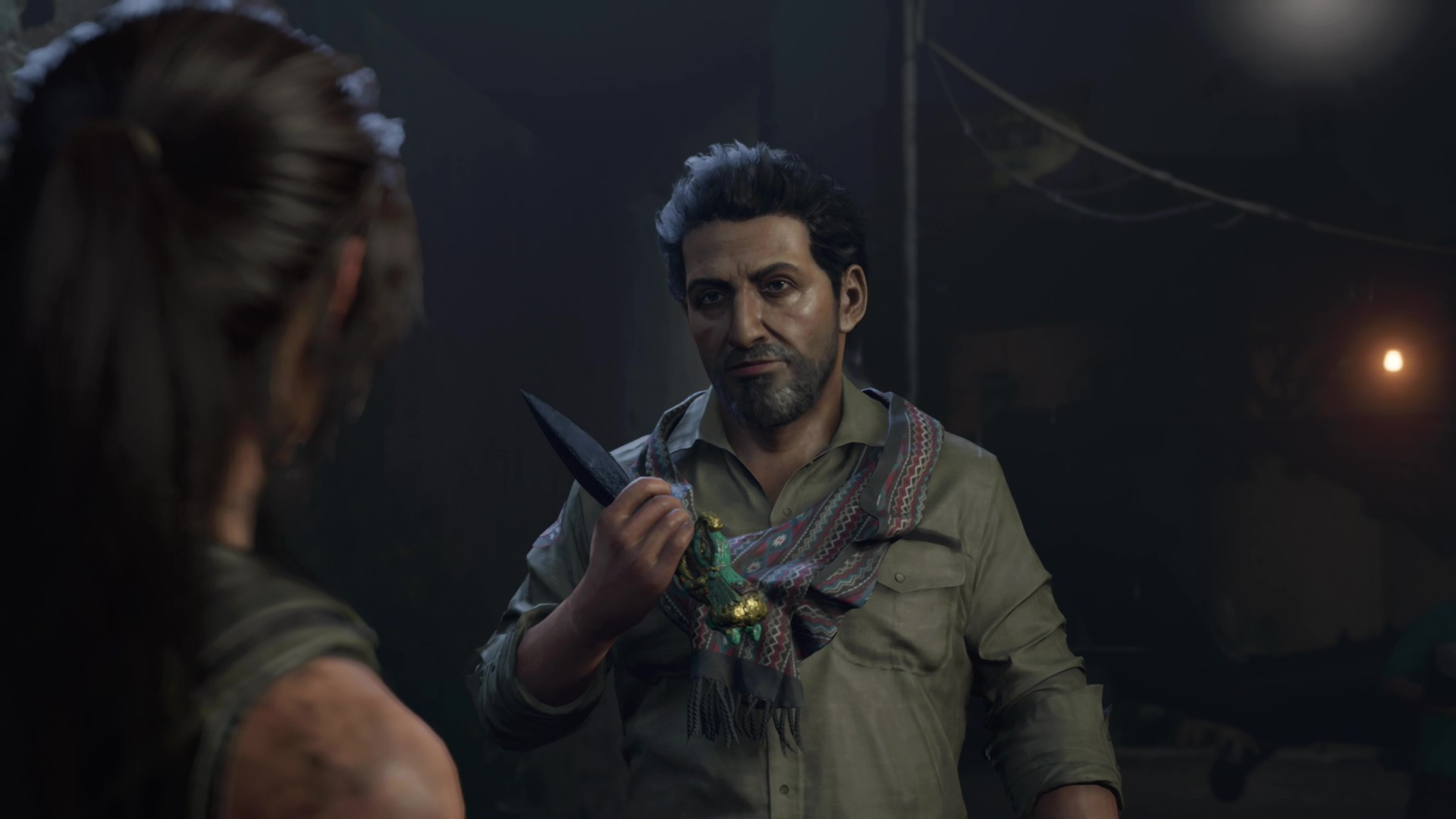
Ignoring the narrative inconsistencies, a bombastic plot that blends fiction with fact is still a highlight of the IP. As Lara runs, guns, and puzzles her way through Mexico and Peru, there are hundreds of artifacts and notes to find, many of which deliver snippets of information about ancient Mayan and Incan culture or mythology. Unlike the prior games, it is a sequel that can feel a bit like The Last of Us when it comes to pacing. Shadow of the Tomb Raider is happy to alternate between moments of intense combat and exploration-focused puzzling, rather than providing a constant sense of escalation. The one exception is a rushed finale that wraps up too many plot threads a too quickly, including major events that happen entirely off-screen.
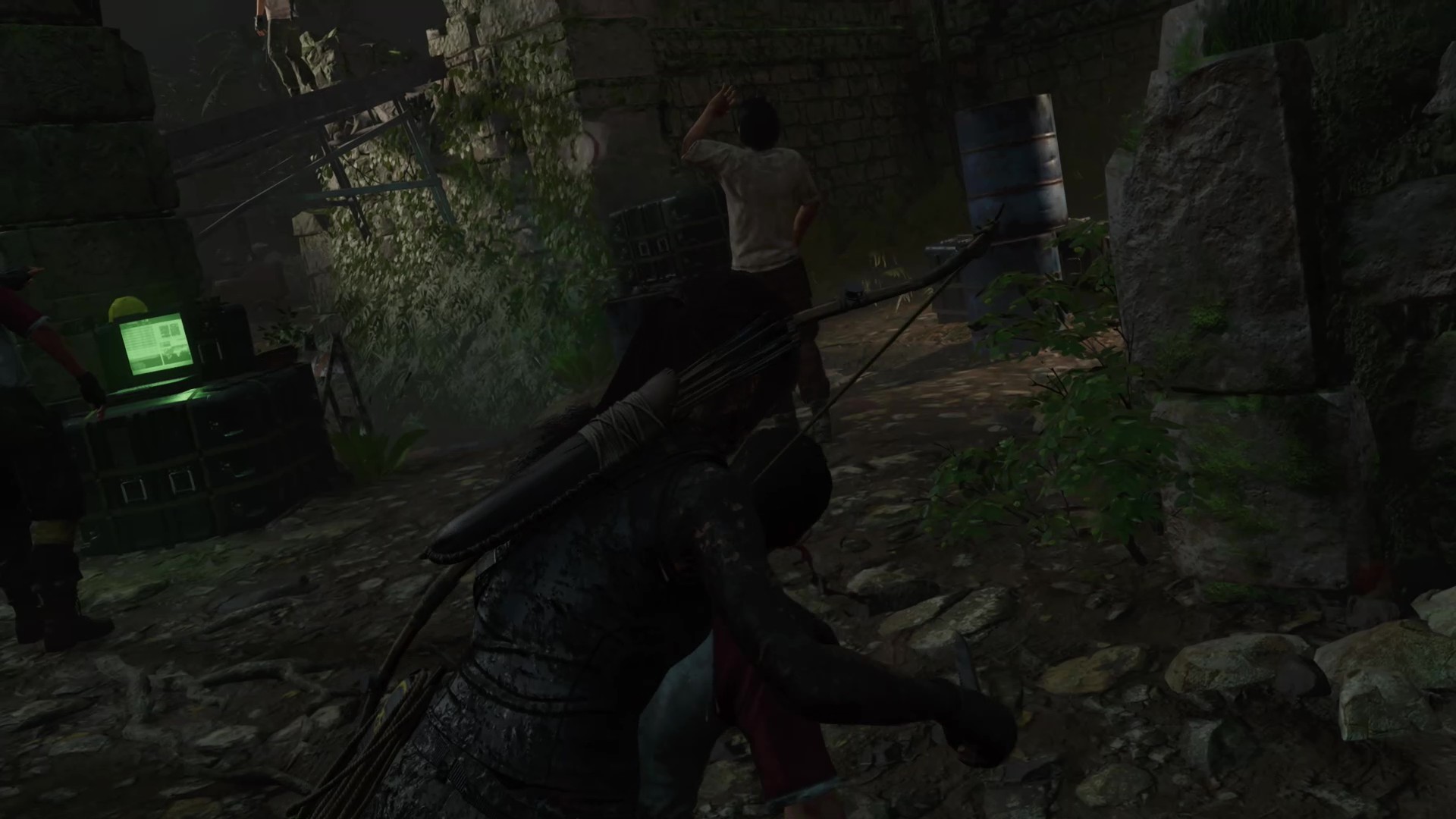
To be fair, video game trilogies rarely end gracefully but they do excel at iterating on the gameplay mechanics with each instalment. Shadow of the Tomb Raider is no exception and, developed primarily by Eidos Montreal this time (of modern Deus Ex fame), it builds upon the shooter-platformer-RPG framework by expanding your options for “aggressive stealth” using new takedown moves and sadistically satisfying tools like “fear arrows” that turn enemies on one another. The basics are the same however, with Lara traversing interconnected zones, densely packed with story objectives, combat encounters, puzzle-centric tombs, and an inordinate number of “challenges” that could drive a percentage-chasing achievement hunter insane. Stringing together location shifts or important story beats are more linear Uncharted-style set-pieces that include dramatic escapes, chaotic firefights, and questionably spongy boss fights.
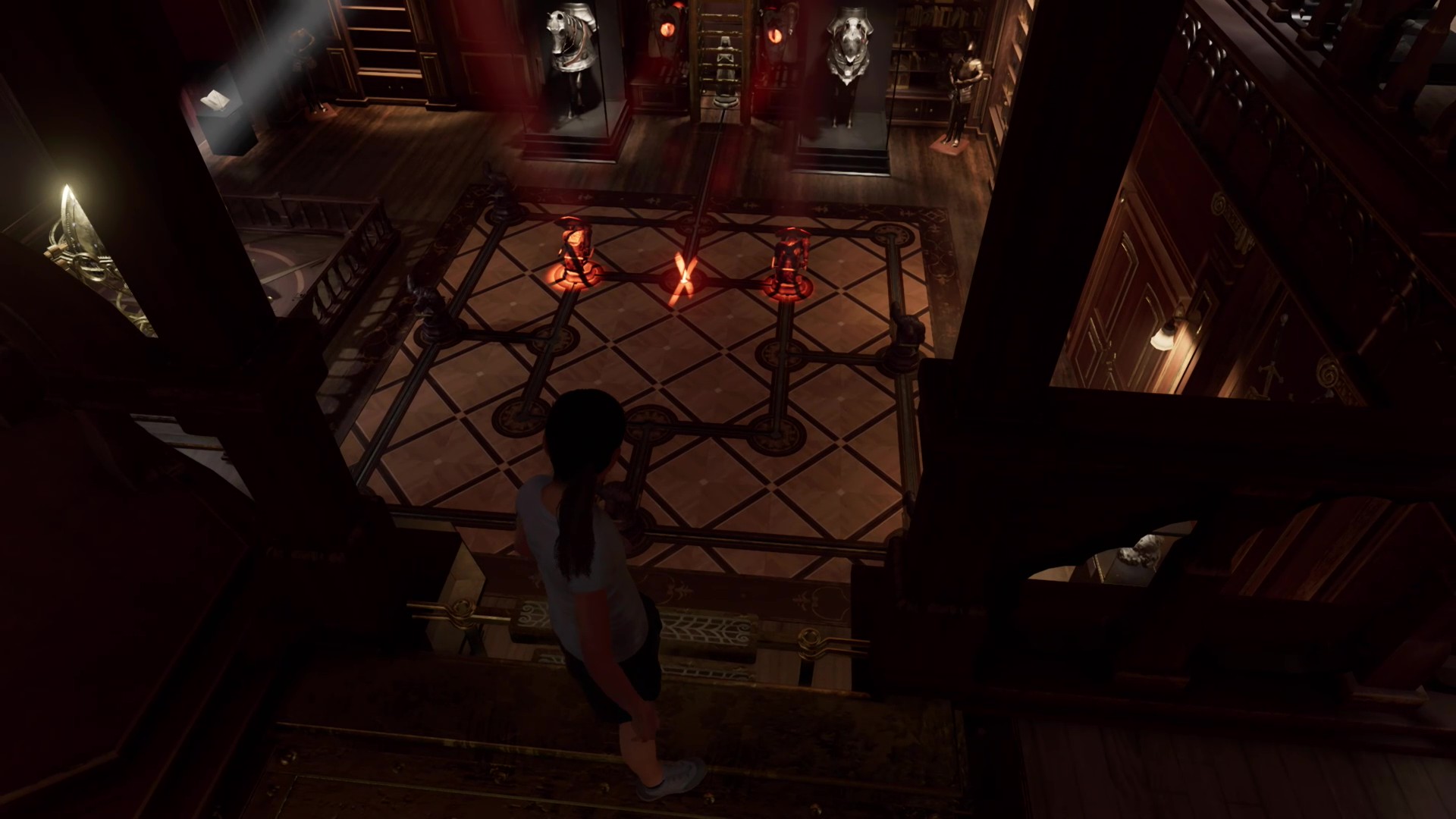
In hindsight, Shadow of the Tomb Raider offers such a familiar yet satisfying blend of popular mechanics I’m amazed the series went into prolonged hibernation when so many mediocre IP with similar mechanics persist – though part of that might stem from Square Enix’ endless disdain for the success metrics of its western developers. The new stealth mechanics make better use of Lara’s “Survival Instinct” by highlighting isolated targets in addition to the usual traversal surfaces, puzzle objects, and collectibles. Jumping, climbing, and grappling – which makes a return from the first reboot trilogy – feel simultaneously loose and snappy, yet still look great as Lara trashes yet another ancient site. Firefights feel appropriately scrappy and lethal; the skill tree and weapon progression system are simple but impactful; while armour crafting looks great and offers useful passive abilities.
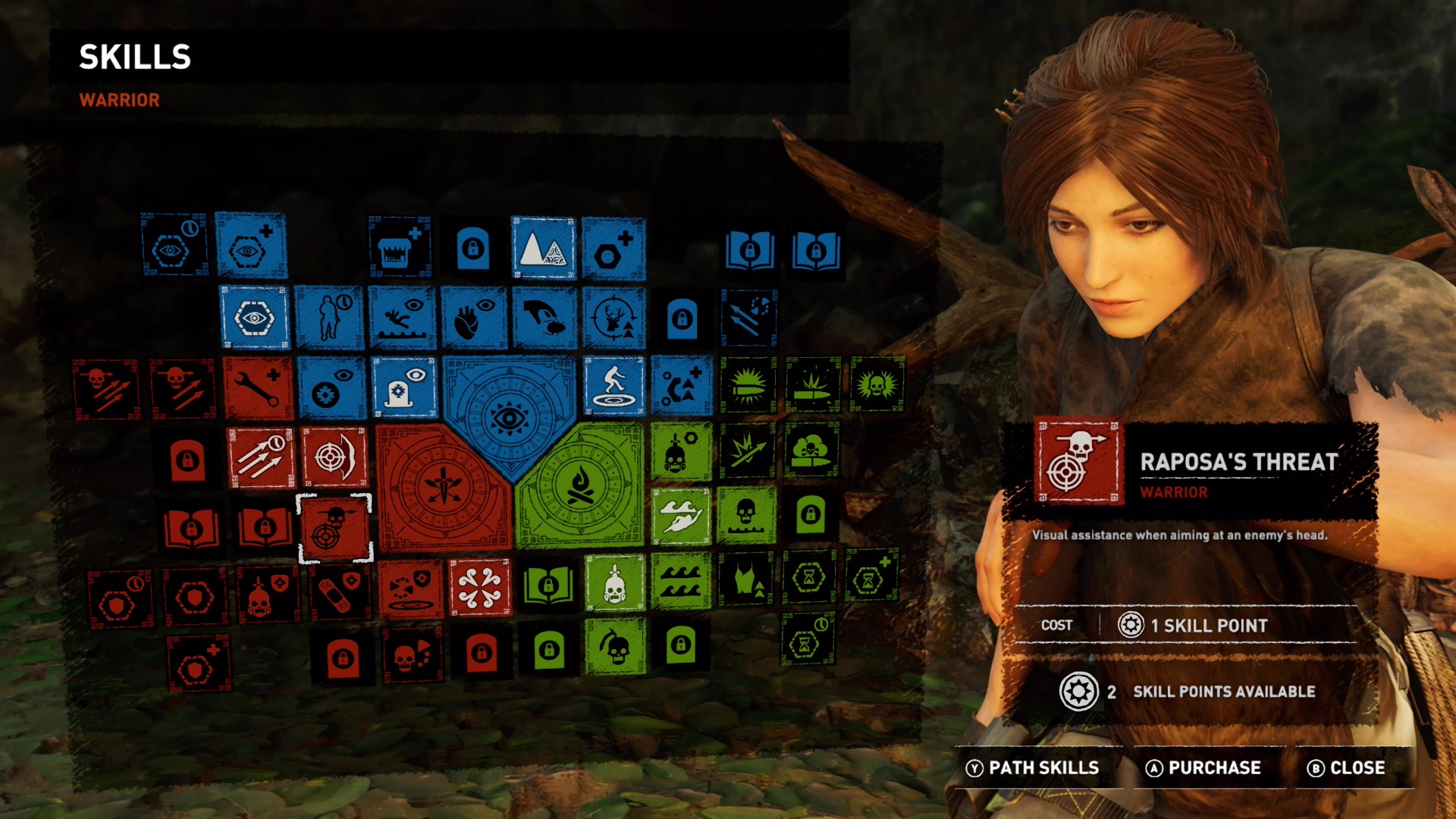
If Shadow of the Tomb Raider has one major flaw, it might be too generous with content – especially with the seven DLC tombs incorporated into the single player campaign. Those unable to prioritise plot-critical missions, narrative-focused NPC side quests, or expanded crypts and tombs might feel overwhelmed by a map screen cluttered with icons, multiple checklist-type tasks, and relentless completion percentages. It was a design that irritated me when playing on PS4 back in 2018, but I have found it a little more tolerable thanks to the Nintendo Switch 2’s hybrid nature. If you are so inclined, all that XP-rewarding busywork – think examining artifacts to increase Lara’s language skills, destroying scattered relics, or just harvesting natural ingredients – is easier to complete across multiple short play sessions while lounging on the couch or in bed.
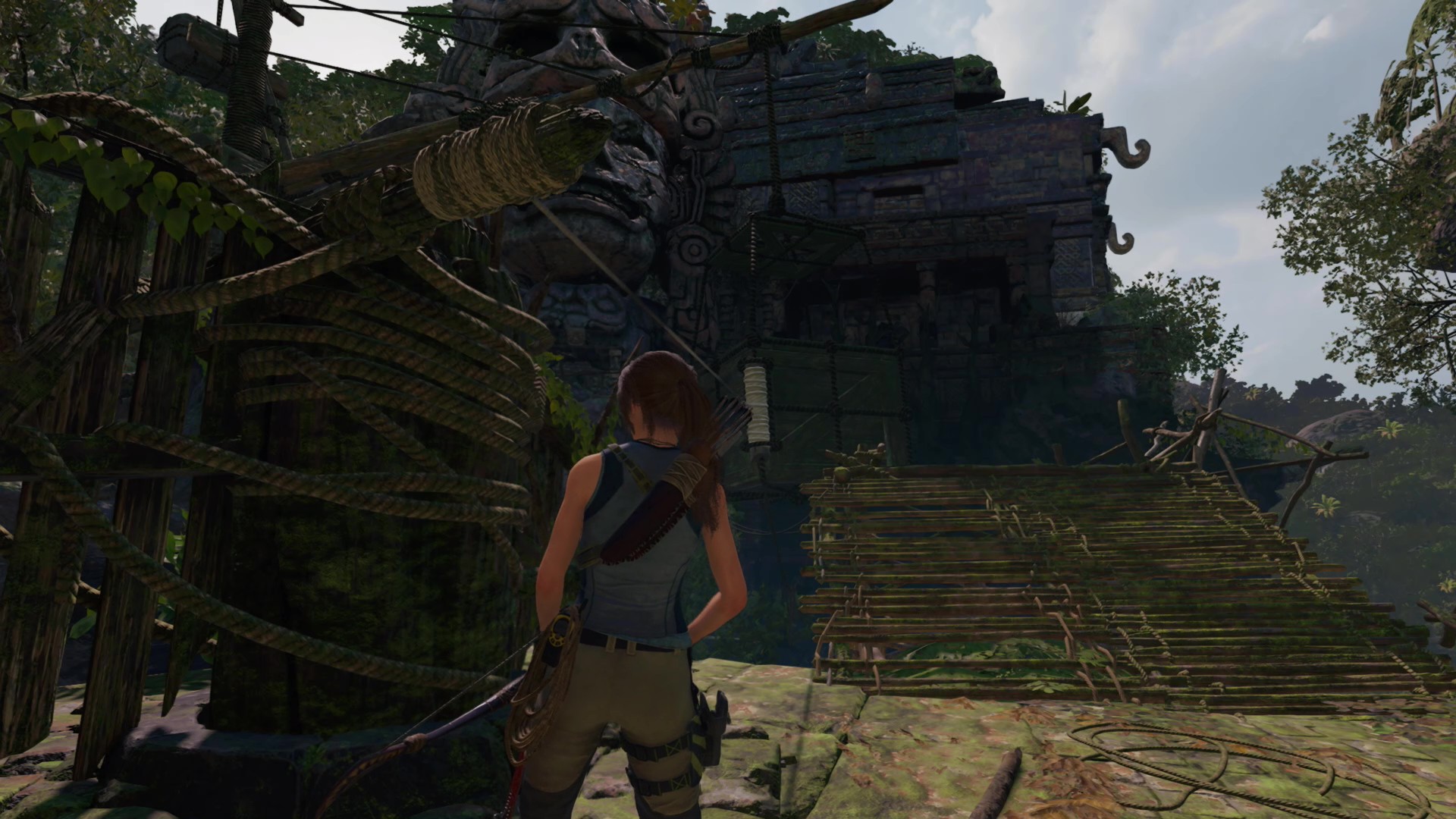
Despite a rough start to porting the Tomb Raider Survivor Trilogy, I am glad Aspyr persisted. Nintendo’s portable hardware provides a new audience access to a great take on Lara Croft’s origins, and it gives returning fans an excuse to replay it whenever, wherever. If you’ve picked up the prior ports and are looking forward to the concluding chapter, Shadow of the Tomb Raider is easy to recommend, in both handheld or docked play, with useful old features like individually adjustable difficulties and new features like haptics and motion-control aiming. It does not wrap up the narrative as well as it should, but the refined mechanics and glut of content provides the lengthiest and most diverse game in the trilogy. As a final note to Aspyr, where are the remasters of Crystal Dynamic’s first reboot trilogy?!
Pros:
- The most competent Nintendo Switch 2 port in the Survivor Trilogy.
- A modern and enjoyable take on the Lara Croft origin story.
- Familiar but refined mechanics with more aggressive stealth options.
- Optional busywork feels like a good fit for shorter sessions in handheld mode.
- It looks good and feels smooth on both the handheld screen and a 4K TV.
Cons:
- A rushed ending that wraps up some plot threads off-screen.
- Maybe too generous with optional content?
Score: 9/10
Shadow of the Tomb Raider was played on Nintendo Switch 2 using a code provided by the publisher. It is also available on PC, Xbox One/Series S|X, and PS4/5.

