Tag: Nintendo Switch

  • Review: Glyph (Switch)

    Review: Glyph (Switch)

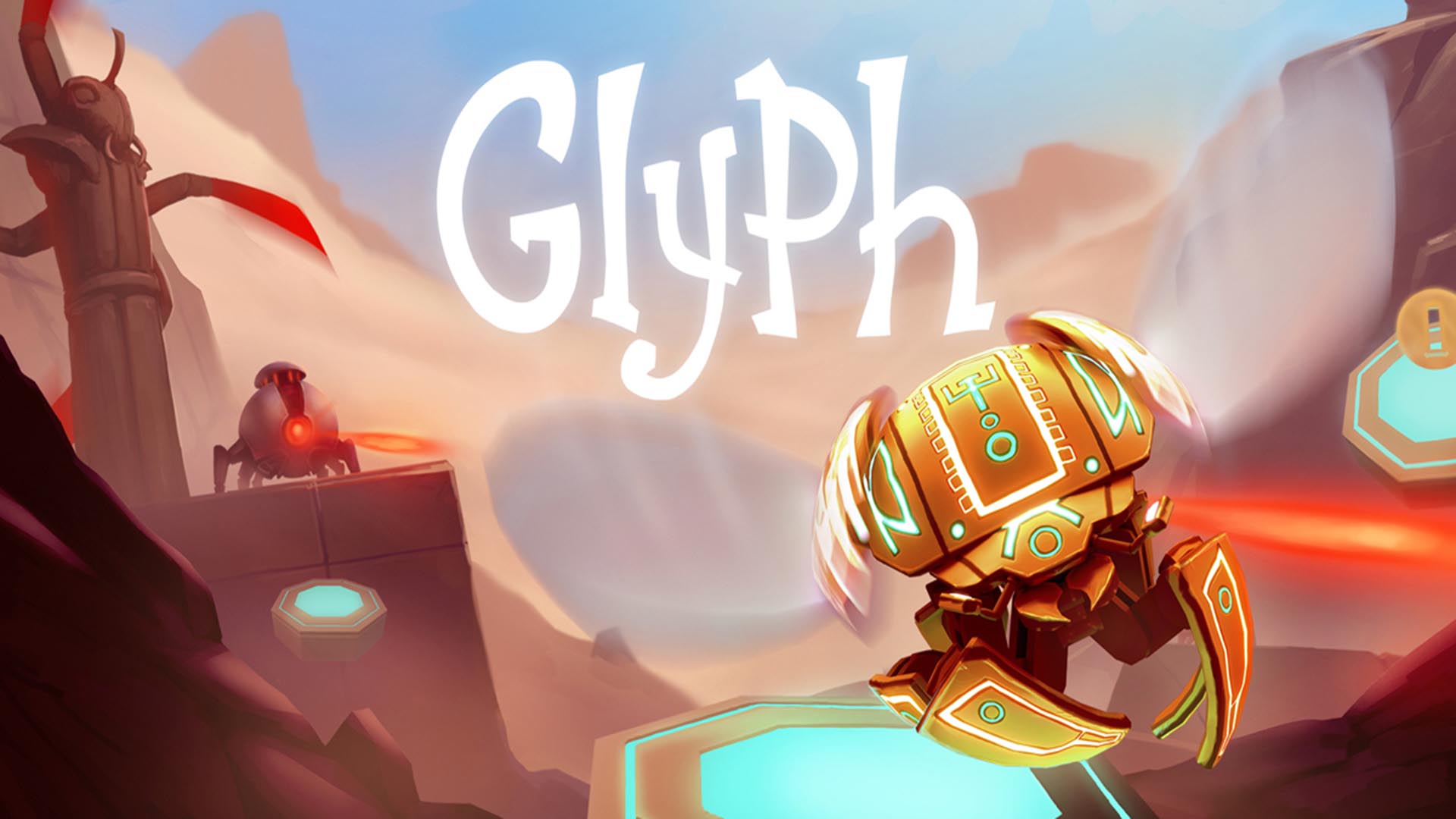
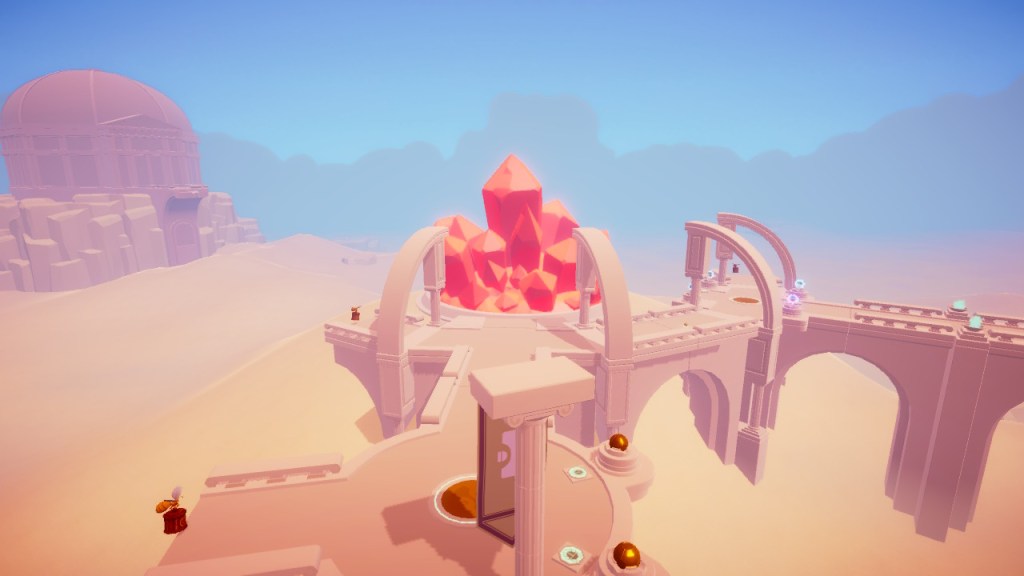
    Amidst the desert ruins of an ancient civilization, you take on the role of Glyph, a mechanical scarab tasked with exploring the sand-drowned ruins of a once-mighty civilization. Buried beneath shifting sands and rolling dunes, this once mighty empire has taken their secrets with them and it’s up to you to find out what those were. Be warned though, for the further in you go, the harder it becomes to extract what those secrets may have been.

    Will you take on the challenge of navigating the lost remnants of this world or will the truth be forever buried beneath the sands of time?

    That is the background to Bolverk Games’ light physics-based platform puzzler, Glyph.

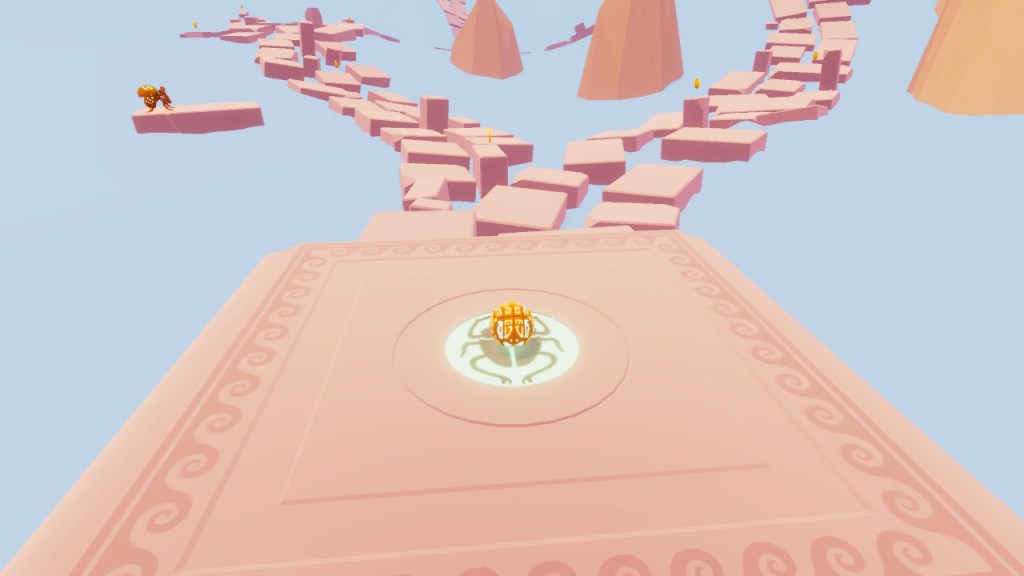
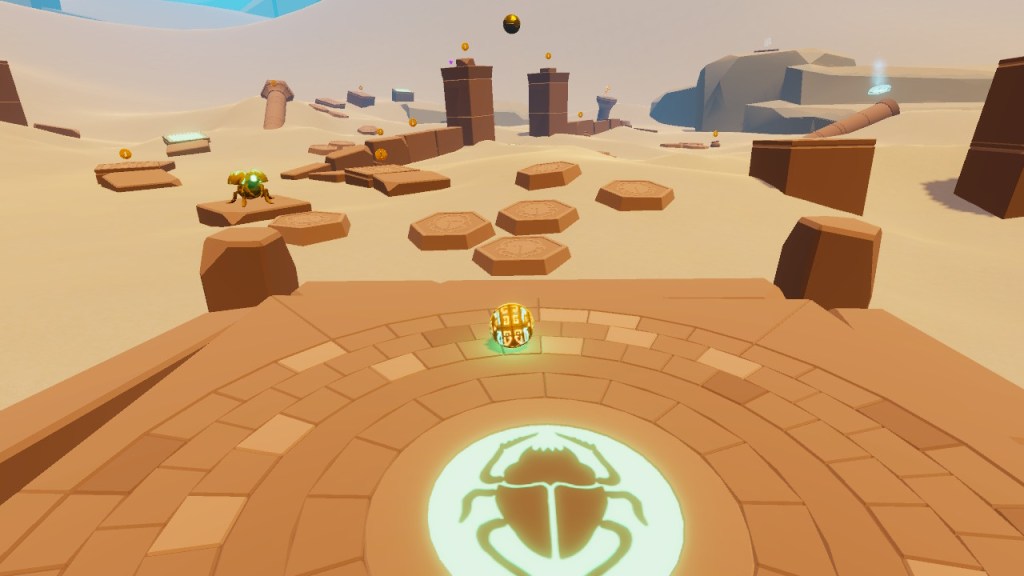
    As the construct Glyph, you’ll be spending nearly all of your time in ball mode, rolling across the landscape while prey to the whims of physics that such a form entails. But fear not, as you’re not entirely helpless. Glyph has a few abilities that the game’s tutorials will take you through in an extensive fashion. What you learn here will be the basis for how you navigate the game’s navigation puzzle levels.

    Glyph can jump, or more correctly bounce, when in contact with surfaces while specific tiles will allow it to double jump. Glyph can also use a ground slam ability to launch itself higher into the air. The final ability unfurls Glyph into avatar mode for a short flight duration to cover the larger distances between platforms and ledges. Combining all these moves together, while paying attention to the way physics affects the way Glyph moves, is the key to success.

    Bolverk Games have designed levels that, while small, will both entertain and challenge you in equal measure. Sporting a vaguely Egyptian motif, the ruins that you will need to traverse are usually the final remnants of toppled pillars, shattered buildings, and tilted ledges and tiles. Navigating your way across the levels can be an arduous and tricky affair that usually requires all of Glyph’s move set to complete.

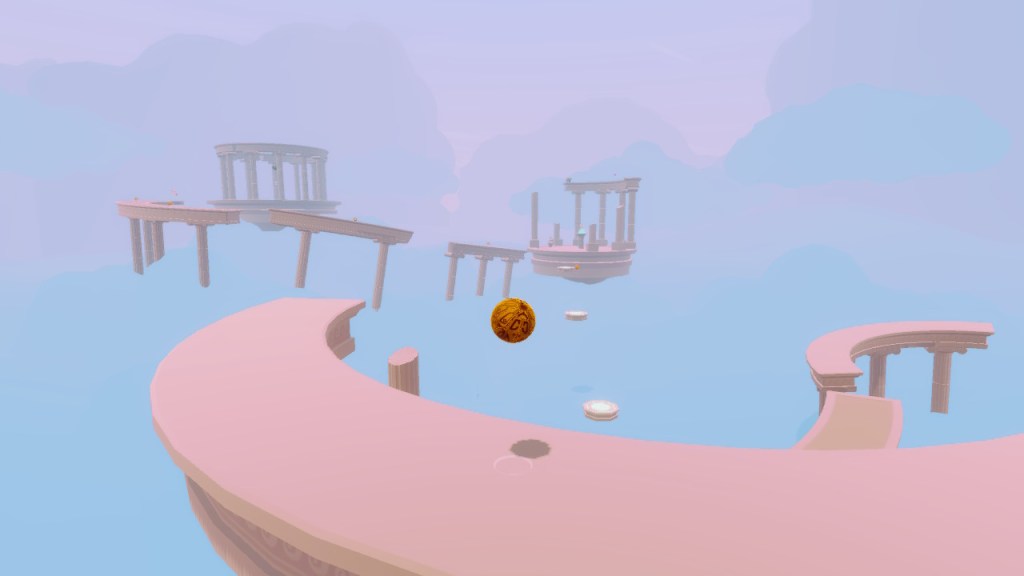
    As a ball, Glyph rolls around as physics would dictate to a degree, meaning that you’ll constantly be nudging him back and forth across the environment lest momentum lets you roll off a ledge to the deadly sands – or clouds as some levels are set in them – below. But Glyph isn’t slavishly locked to the laws of physics. A jump can carry you quite far on its own and Glyph has just enough floatiness and control in the air to make even the minutest of course corrections.

    Scattered across each level are coins to collect, gems to find, keys to pickup to open the level exit, artifacts to procure, and different avatar forms to unlock. The avatar forms are for cosmetics only but the other items are needed to progress. Once you’ve exited the tutorial into the game’s hub, coins will unlock new levels while the gems will open up new pathways to new levels in the hub. The artifacts will open up the game’s incredibly challenging Time Trial levels.

    If you die during a level – it only takes touching the corrupted sands once to send Glyph back to the beginning of the stage – keys and artifacts are reset but thankfully the coins you’ve picked up stay with you. And you will die a lot because Glyph is an incredibly challenging game that walks that tight line between been fun enough to pick up for some relaxing platforming, but hard enough to ensure a tense playing experience that, when you finally complete a level, you’re rewarded with a sense of satisfaction.

    Very early on the challenge picks up significantly, even in the levels that have a lower skull rating. Levels are rated from one to five skulls for difficulty. Often I’d find that I’d been holding my breath and my shoulders and wrists were tense when I’d completed a level, having to put my Switch down for a well-deserved break from what was an ultimately rewarding experience.

    Your completion times are recorded and you can go back to replay the levels for better times if you prefer. Like a parkour game, finding that perfect line takes time but is worth the effort.

    The Time Trial levels are where Glyph throws its hardest challenges at you. They’re small but require serious mastery of the game’s mechanics to reach even its gold, silver, and bronze levels. The gold time can be as low as ten seconds. Each tier per Trial will net you a gem making the effort worth it.

    Visually Glyph is a beautifully stylised game that ran perfectly on the Switch Lite and is drenched in a wonderful fable-like aesthetic and atmosphere. Controls for Glyph are pitch-perfect as well, making your failures your own.

    Packing in a ton of levels, Glyph is the sort of puzzle platforming experience that doesn’t come around often. With stunning visuals, solid controls, and gameplay that appeals to those looking for a laid-back exploration experience as well as a nerve-wracking one, Glyph soars above the competition and should be in your collection.

    Pros:

    • Visually stunning
    • Wonderfully challenging
    • Great level design

    Cons:

    • Recollecting artifacts and keys can get frustrating with repeated deaths

    Score: 8/10

  • Review: Ghosts ‘n Goblins Resurrection (PS4)

    Review: Ghosts ‘n Goblins Resurrection (PS4)

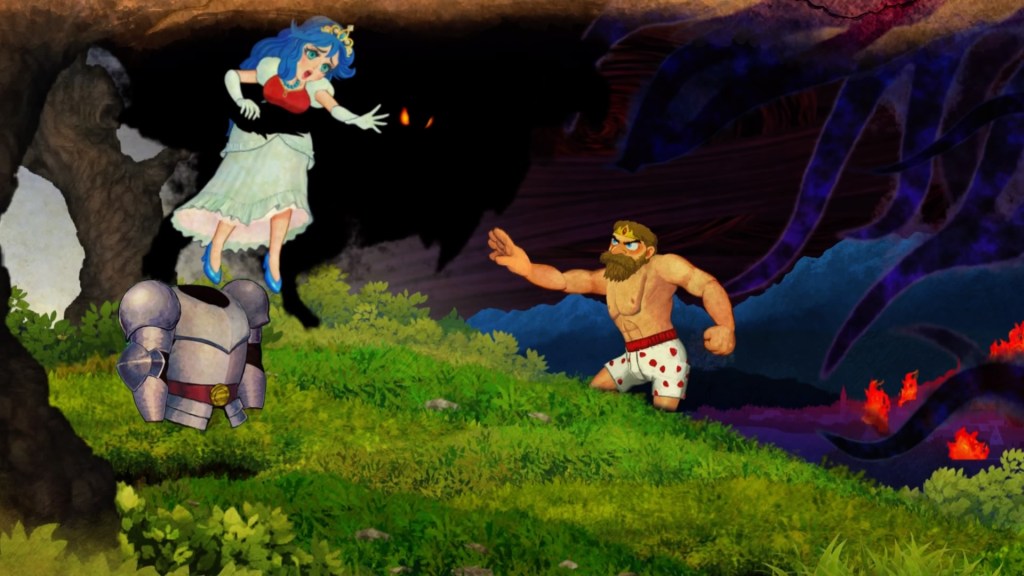
    After a hard day of knighting, you just want to get out of that stiff armour and lounge around in your boxers, hopefully while in the company of your dearest princess. But wouldn’t you know it, evil doesn’t care about your day off, or that princesses have better things to do than get abducted every second week. So off you go, grabbing that armour while, in the distance, your kingdom burns beneath a devilish assault.

    So with armour clenched tight, lance in hand and a permanent scowl on his face, our hero Arthur prepares to face another manic Monday. . .

    Well okay, it’s not really Monday. I’m pretty sure what day it is doesn’t matter when your kingdom is burning. But what it is, is the day we welcome the Ghosts ‘n Goblins series back with Ghosts ‘n Goblins Resurrection. That’s right, the original rock hard, make you cry Dark Souls of its day has a new game and it’s here to show you what hard really is all about.

    Ghosts ‘n Goblins Resurrection originally launched earlier this year, February to be exact, on Nintendo Switch and now Capcom has finally brought it to PS4 with PS5 backwards compatibility, Xbox One and PC, letting the rest of the gaming community experience one of gaming’s toughest hard love franchises.

    As both a reboot and a remake of the original Ghosts ‘n Goblins, Resurrection yet again places you in the armour of put upon knight Arthur as his princess is kidnapped while a demonic invasion turns the kingdom into an overrun, twisted hellscape. You’re going to have to side-scroll and platform your way through one tough level after another in an attempt to beat the ever-loving snot out of the dastardly evil behind this plot while, hopefully, not breaking your controller in the process.

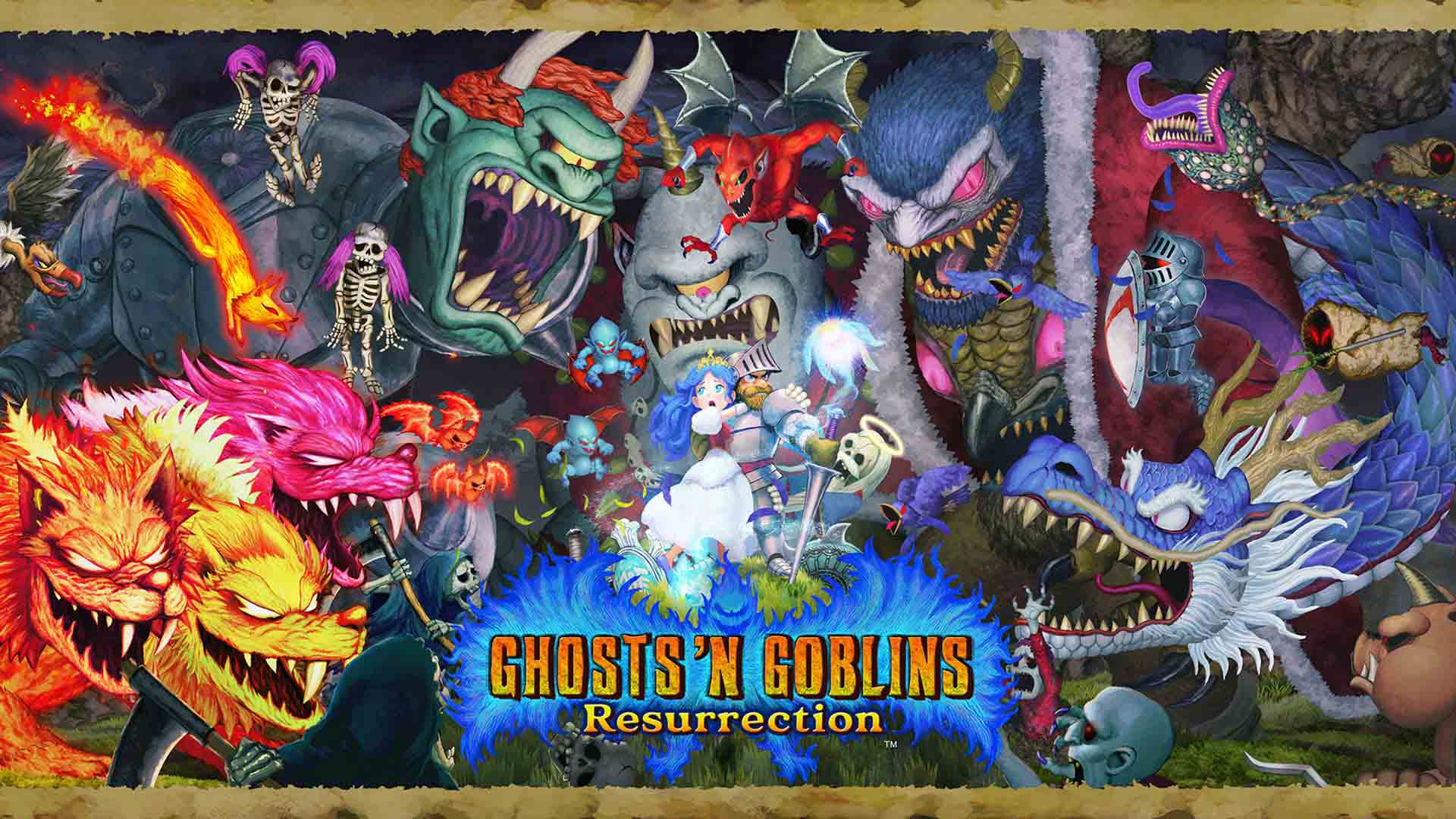
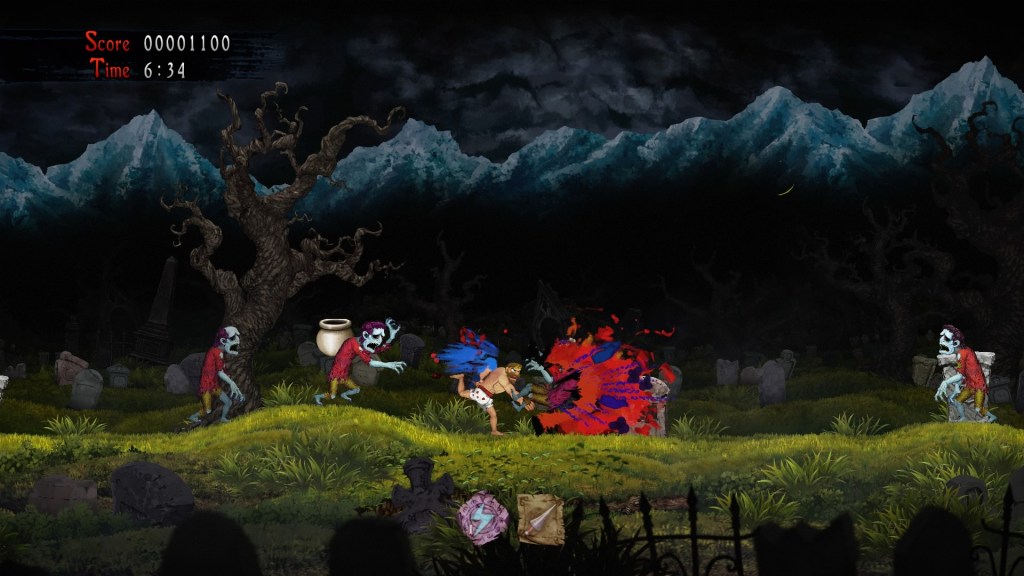
    Once you get past the stunning visual style that Capcom has employed for this reboot which makes the game look like a fable drawn from a storybook, you’ll find that Capcom has employed the old adage of “if it ain’t broke, don’t fix it”. Arthur moves exactly as he did in the older games, just with better animation. He possesses the same level of speed, making timing a critical choice and can only jump over and onto objects if you jump while moving. Jumping while standing still will merely propel Arthur straight up, meaning you have to unlearn many of the moves that modern platformers have brought to the table since then. Arthur can also attack in three directions: in front of him, above him by aiming up and below him if you attack while jumping and pressing down on the D-pad or directional buttons.

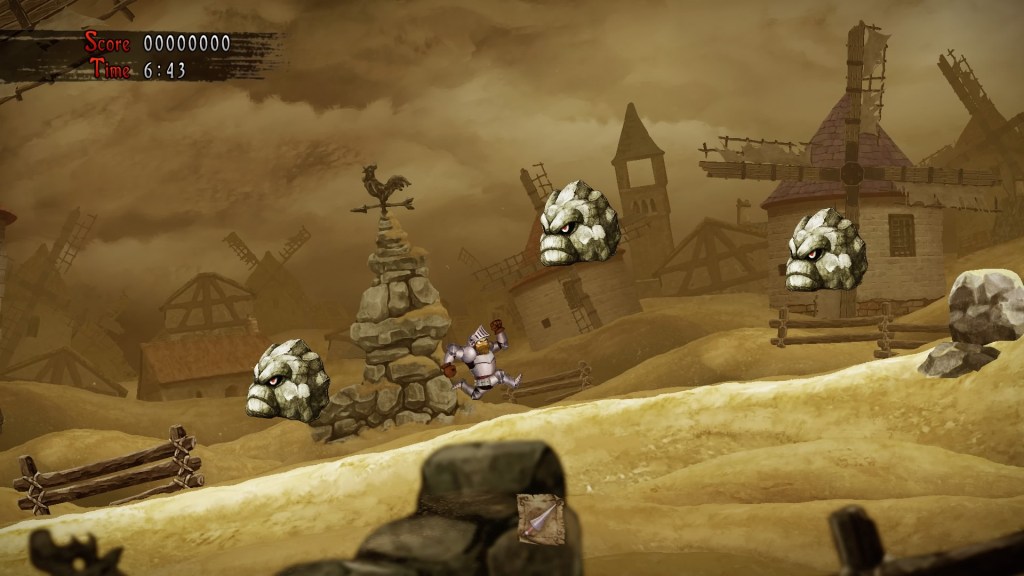
    The key to success in a level, beyond mastering the way Arthur controls and having twitch reflexes, is in memorising the level design and enemy attack patterns. Levels usually have moving parts to them, which adds a nice sense of dynamics to the environment. What weapon you wield is just as important as all of the above. Arthur’s arsenal has expanded since the first game though his trusty default lance is usually the best all-rounder. Picking the right tool for the job, as the saying goes, is tantamount to success. The hammer that unleashes a small arc of energy across distances requires you to get too close to enemies while the dual-shot crossbow requires a lot of jumping to hit an enemy because of the arrows diagonal shots. The holy water is still useless. Weapons can drop from chests or jar carrying enemies.

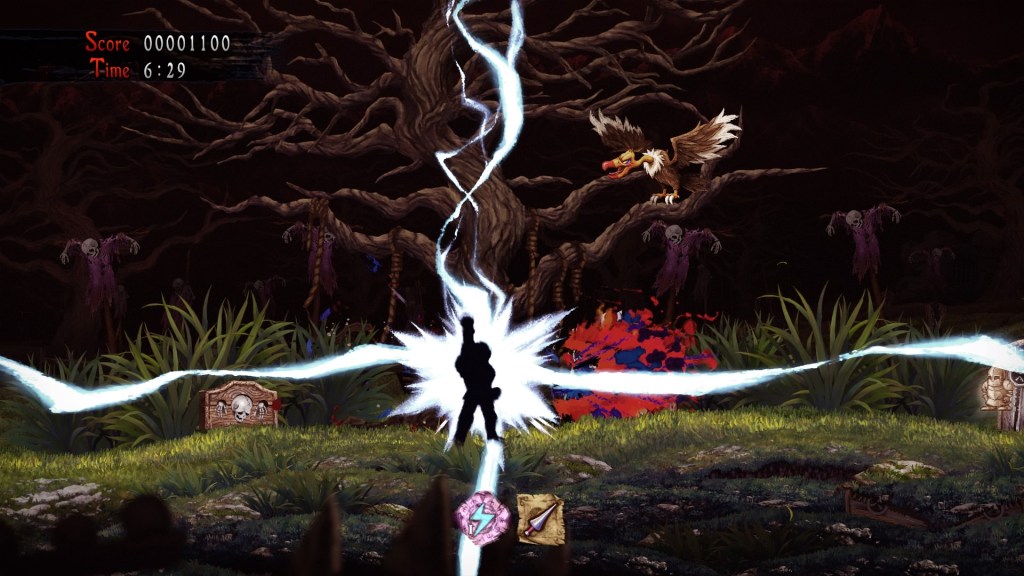
    Two big additions to this game are Umbra bees and a local two-player co-op mode. Collecting the bees scattered across the levels will unlock magic abilities for Arthur. Magic does need to be charged up for use so you with a brief cool down so you can’t just spam it, making its use more tactical than a Hail Mary when you suddenly find yourself surrounded. The two player co-op lets a second player use a ghostly ancestor of Arthur’s to help him through the levels. Controlling one of three spirits with their own abilities, player two can help Arthur through a level by carrying him around, for instance.

    The games visuals are gorgeous, employing a multi-layered approach to screen elements that make the characters seem like a combination of paper art and puppets with elements placed on top of one another. The animation is also wonderful and each enemy has their own distinct visual style and movement. The visuals, which look straight out of a storybook, can’t hide the games difficulty though.

    Because Resurrection, as befitting a GnG title, is hard. But not unbeatably so. Capcom has chosen to incorporate four difficulty settings, aiming at embracing modern gaming conventions while still attracting the hard-core crowd.

    Page lets you respawn at the exact spot you died at with no level time limit and a max of four hits you can take before crumbling to a skeleton. Squire gives you the same four hit limit, level checkpoint and mid-level rebirth checkpoints but throws back in the time limit. Knight takes you down to three hits, checkpoints, a time limit and an increase in enemy speed. Legend takes you back to the original GNG settings by dropping you down to a two hit maximum with no rebirth checkpoints and more enemies.

    Ghosts ‘n Goblins Resurrection is the perfect platform to showcase Arthur’s return to his own series. It’s both difficult enough to appeal to stalwart series veterans while making enough concessions that casual gamers too will be able to finish it. It’s also a wonderful showcase for the versatility of the RE Engine with its gorgeous visuals and animation. Whether you’re a GNG neophyte or accomplished devil slayer, this game should not be missed.

    Pros:

    • Not as difficult as the original Ghosts ‘n Goblins
    • Gorgeous storybook aesthetic
    • Full of character
    • Different difficulty levels

    Cons:

    • Magic takes a bit too long to activate

    Score: 9/10

    Ghosts ‘n Goblins Resurrection was reviewed using a code provided to gameblur by the publisher.

  • Review: Kingdom of Arcadia (Nintendo Switch)

    Review: Kingdom of Arcadia (Nintendo Switch)

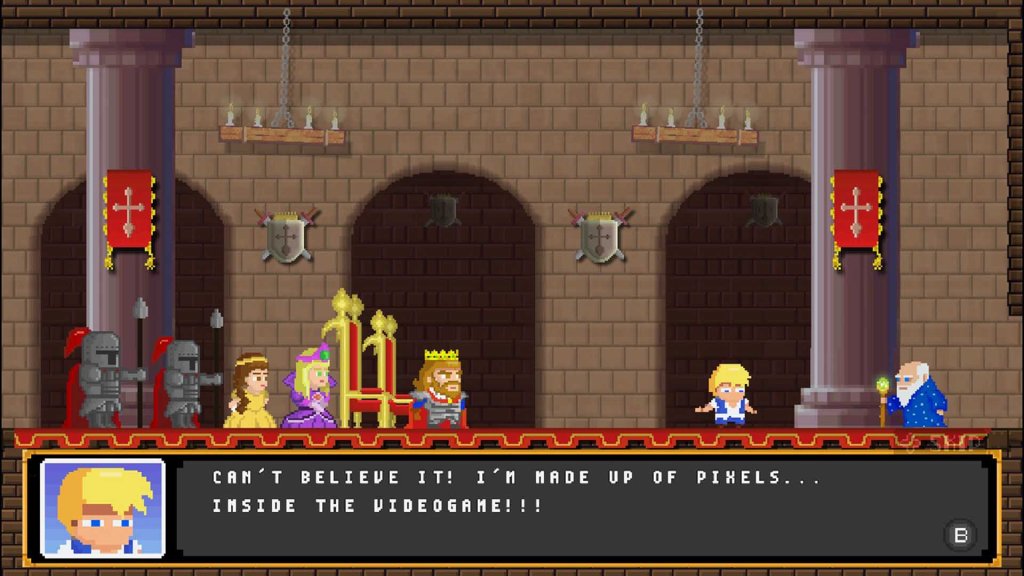
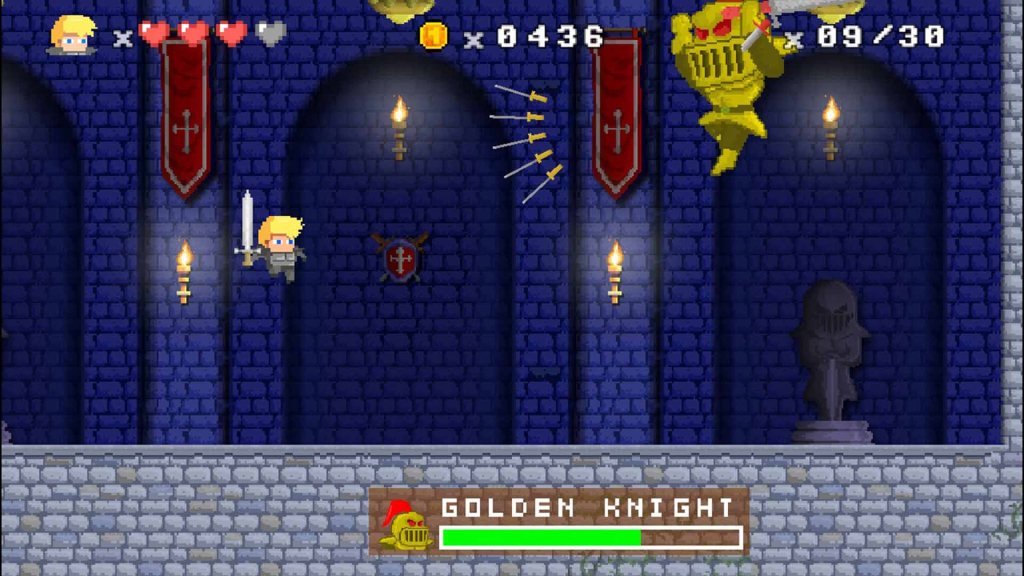
    Sam is just an everyday, terribly average ordinary kid who loves videogames and whose dad just happens to possess a vintage arcade machine. Sam impatiently jumps the gun and powers up the machine without dads approval and wouldn’t you know it, the arcade machine is special and Sam is no longer in Kansas.

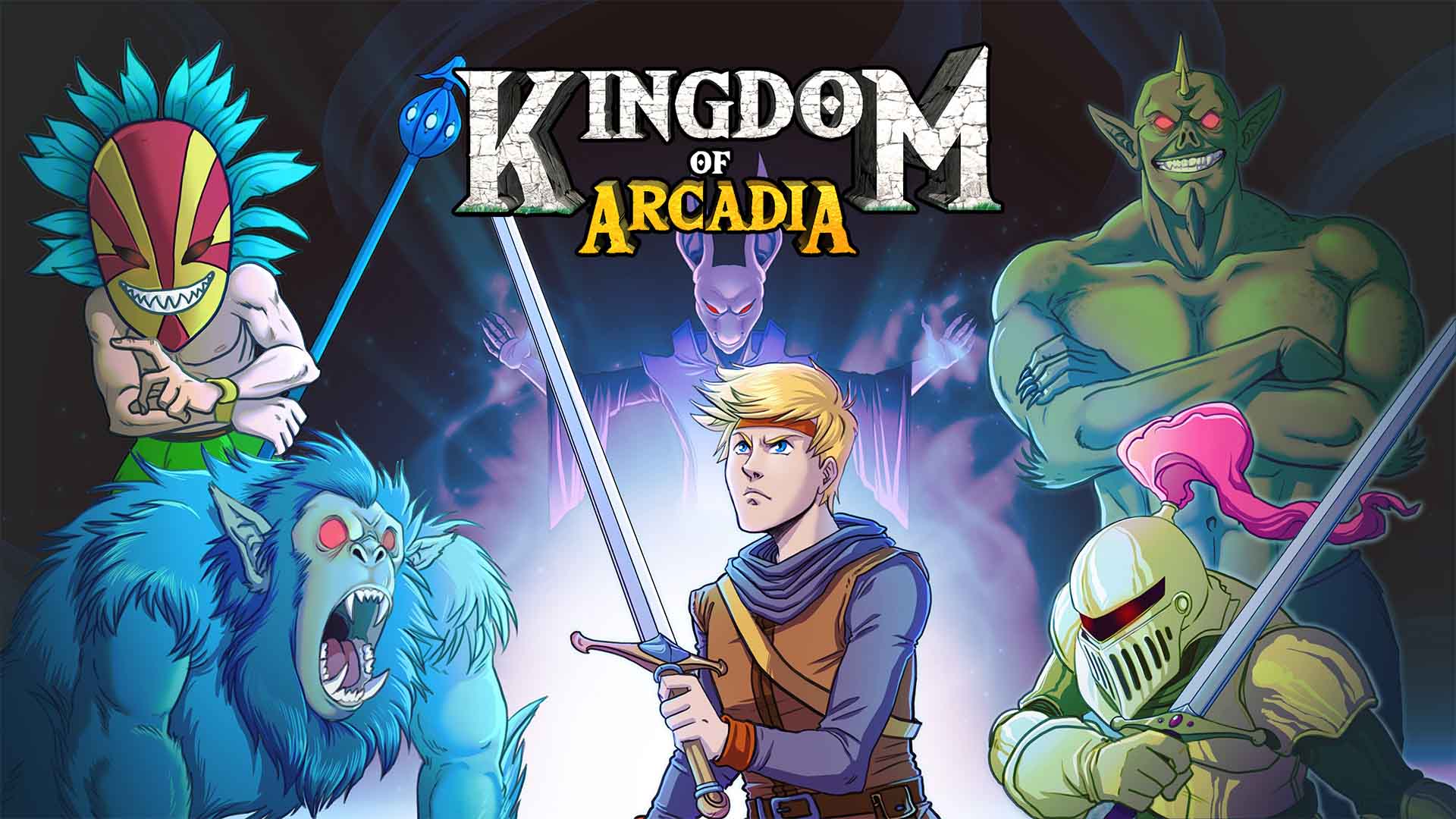
    Welcome to the Kingdom of Arcadia, whose inhabitants know that they are made of pixels and that Sam isn’t from their world at all. And as such, he’s clearly the only one that can save them. Evil forces have corrupted the land and Sam has to travel to four castles to retrieve magical sceptres. It’s the only way to get home so what’s a terribly average kid in videogame land to do? Grab some armour and a sword of course because he’s clearly trained for this.

    Set across four worlds broken up into five levels each – six if you count the boss rooms – Kingdom of Arcadia is a 2D action platformer built as they made them in yesteryear. Though it markets itself as a metroidvania, Kingdom of Arcadia is a far more linear affair with some light exploration and light upgrading elements. Developer Spoonbox Studio has built Kingdom of Arcadia on a very basic core set of systems that, outside of the light upgrade system, doesn’t change.

    Sam has three skills: a double jump, a slashing sword attack and a secondary throwing weapon attack. There’s no learning new combos, picking up anti-gravity boots or homing missiles or a hookshot. The levels are designed around these three skills, keeping the game simple, stark and all the better for it. The platforming is absolutely on point and getting hit or missing a jump is usually on you rather than the game. Don’t let the simplicity fool you however, because Kingdom of Arcadia gets quite challenging from the second world onwards.

    Levels begin small but grow larger with each world, but not to the extent that one could label it a metroidvania. Usually you’re traversing to one end of the level to hit a switch, or switches, that open the path to the levels exit. Once again, there’s no backtracking between massive areas waiting to find a new sword to open up a new path twenty screens away. Instead the levels play out like mini-dungeons as you traverse dastardly environment hazards and enemies looking to swiss-cheese you.

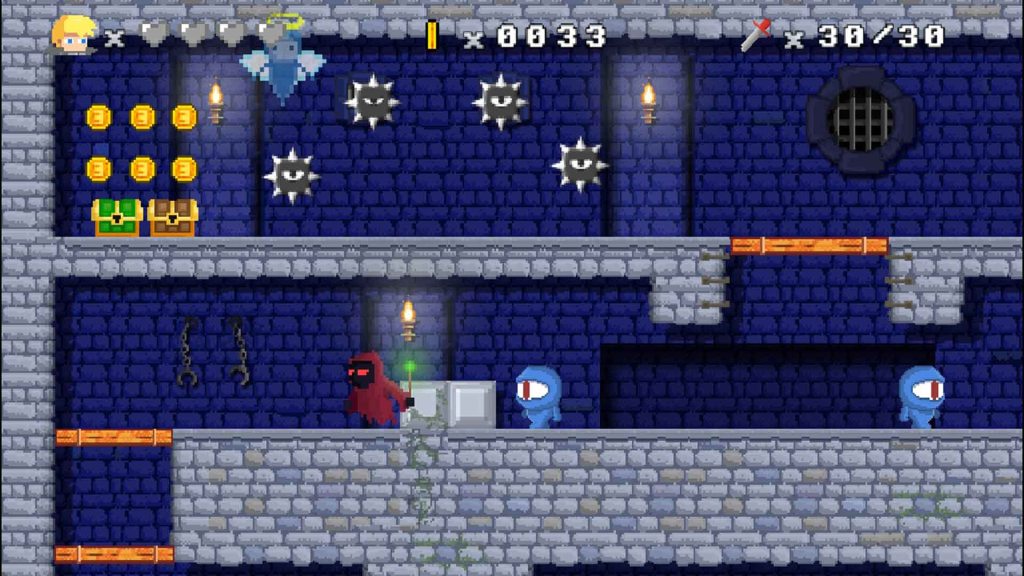
    Kingdom of Arcadia also doesn’t do too much different in what you’re facing in these levels. There are spiked areas, rotating platforms, crumbling platforms, cannons etc. Enemies also follow a familiar archetype, wizards throwing spells, bouncing eyeballs and undead skeletons, most of which are merely reskins unfortunately. Where Kingdom of Arcadia does get it right though, is in the construction of its levels.

    The enemies in each level don’t pose a threat on their lonesome but most of the levels are designed around incorporating the combat around the platforming and precision timing. So you’ll have a snowball throwing yeti at the far end of a room but getting to him may require navigating a spike pit along with moving spiked platforms that block your projectile attacks. Making it to him without getting hit becomes an exercise in patience and precision. Rushing it will usually cost you a heart, which you have few enough of already. It’s these moments that are Kingdom of Arcadia’s strong points even if they’re based around patience and pattern recognition.

    Death may start you back at the beginning of a level but chests you’ve collected and switches you’ve thrown don’t reset unless you leave the level and come back in so it’s in your best interest to stick it through to the end.

    Some levels have mini-bosses in them as well and they’re usually a cakewalk, involving learning their pattern and figuring out when to strike. The main bosses fall into the same category of pattern recognition and patience as well. They’re more challenging than the mini-bosses but aren’t as memorable as they should have been.

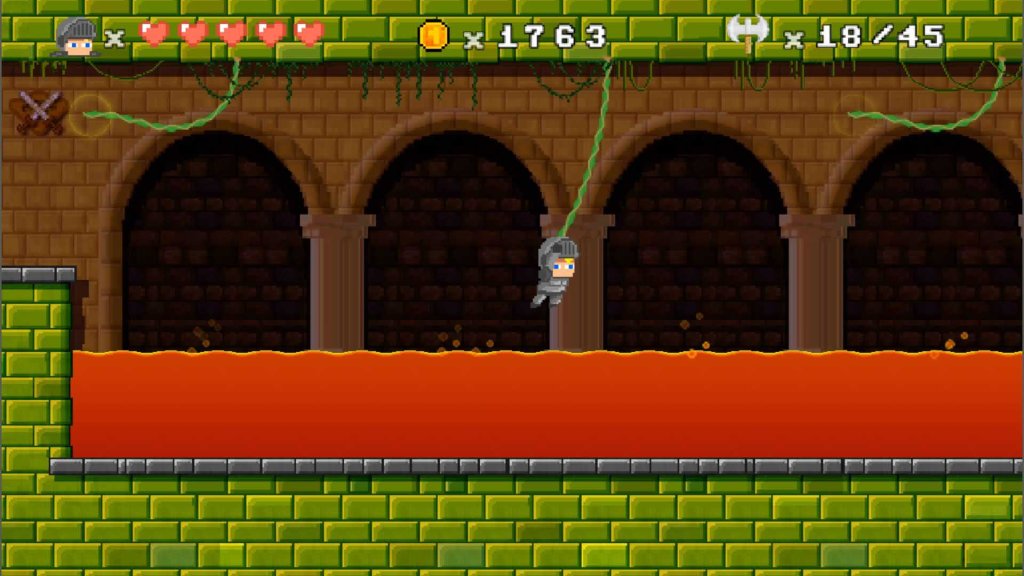
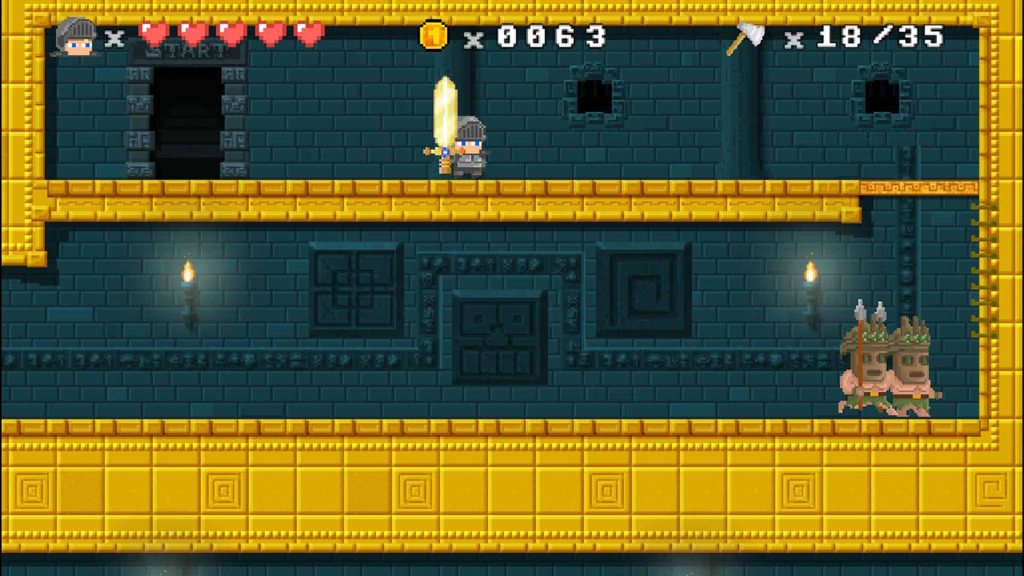
    Each level has enough secret areas to find. Hidden behind cracked walls they usually contain loot chests which grant money, extra secondary ammo or another valuable heart, all of which are invaluable. Money is extremely important as you need to pay for the upgrades to Sam’s health and damage output. Nicely when upgrading Sam’s armour which grants you more health, it also changes his visual look. The sword grows larger and has a wider hit radius as well, while you’re secondary projectile weapon will change from a knife to an axe to a hammer as you upgrade. The upgrades don’t come cheap though and you will most likely have to farm levels later on so it’s a good thing each enemy drops money when killed.

    Visually Kingdom of Arcadia is pleasant enough to look at. The presentation is nice and clean and there’s just enough detail in the sprites to make them charming.

    Where Kingdom of Arcadia doesn’t fare as well though is in the writing and sound design. The writing clearly feels like translation issues were at play or it was thrown together at the last minute. It’s not terrible, but it certainly does have shades of old games within it. Less effective are the sound effects which sound as though they were pulled from a free repository. The musical tracks are effective but lack the punch that usually makes 2D platformer soundtracks resonant. They do the job but fade into the background while playing.

    Kingdom of Arcadia may not challenge platform and metroidvania experts and while it lacks replayability, what it does provide for the time it will take you to finish it, is a charming and challenging fun action platformer that feels as though it were ripped straight from the golden past of 2D gaming simplicity.

    Pros:

    • Increase in environmental challenge
    • Upgrading has a visual effect
    • Death is usually your fault

    Cons:

    • No real replayability
    • Reskinned enemies
    • You will have to grind levels to upgrade
    • Sound effects could have been better

    Score: 6/10